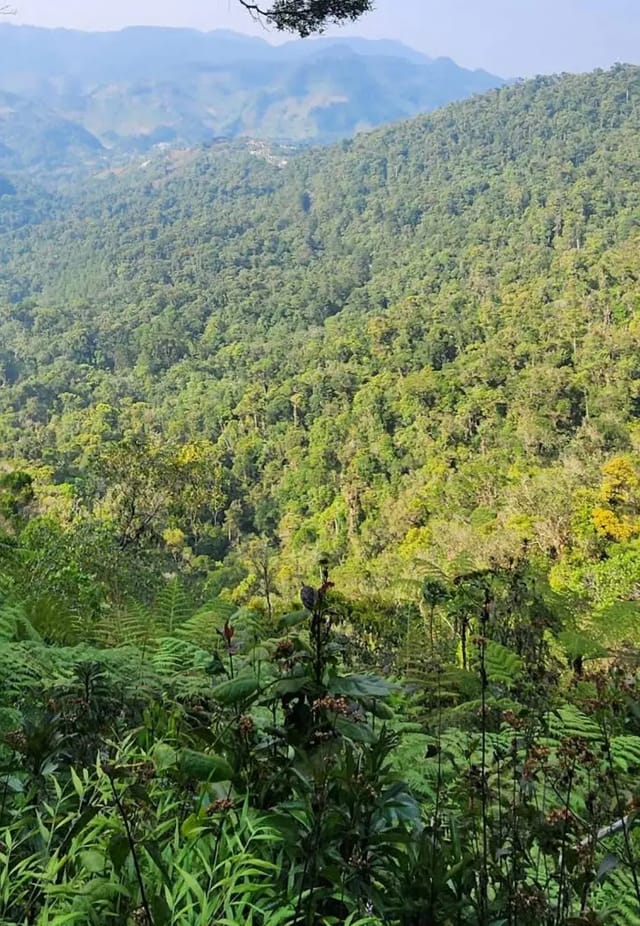
Guatemala’s protected areas offer different kinds of nature trip: Tikal combines archaeology with forest, Las Victorias offers trails in the municipality of Cobán, Biotopo del Quetzal protects quetzal habitat, Cerro Cahuí overlooks Lake Petén Itzá, and Río Dulce is a river corridor. Start with the place you want to experience, then check its access and visitor arrangements. CONAP’s SIGAP tourism portal publishes a total of 341 protected areas; that is not a count of national parks.
TL;DR: Use the comparison below to choose an area and a base. Published entry fees are shown only where the official park or administrator provides them. A missing fee does not mean free entry, and a boat trip or guided excursion is not the same purchase as park admission.
What the official categories mean
CONAP’s official list identifies each area by its SIGAP code and management category. Its tourism portal groups the categories as follows; the Spanish category names are retained so you can match them to official listings.
| CONAP type | Category names as published |
|---|---|
| Tipo I | Parque Nacional; Reserva Biológica |
| Tipo II | Biotopo Protegido; Monumento Cultural; Monumento Natural |
| Tipo III | Área de Usos Múltiples; Refugio de Vida Silvestre; Reserva Protectora de Manantiales; Reserva Forestal Municipal |
| Tipo IV | Parque Regional Municipal |
| Tipo V | Reserva Natural Privada |
| Tipo VI | Reserva de Biosfera |
The portal also lists Zonas de Veda Definitiva separately. These classifications describe conservation management, not a uniform visitor experience or a single ticket system.
Quick summary: which place fits your trip?
The town column gives a named access settlement or base. Where the official source identifies only a municipality or a broad reserve, it does not establish a single nearest town.
| Protected area | What to go for | Town or access reference | Confirmed official entry fee |
|---|---|---|---|
| Tikal — national park | Archaeology and forest | Flores base; approach through El Remate | Foreign tourists Q.150.00; national tourists Q. 25.00 |
| Laguna Lachuá — national park | Clear-water lagoon and dense vegetation | Cobán municipality; long road via Chisec (see our guide) | Not on CONAP’s page; see our Laguna Lachuá guide for published fees |
| Las Victorias — national park | Pine forest and walking trails | Municipality of Cobán | Not on CONAP’s page; see our Las Victorias guide for published fees |
| Biotopo del Quetzal Mario Dary Rivera — protected biotope | Quetzal habitat and forest trails | Purulhá / Salamá municipality reference | Foreigners Q. 60.00; nationals Q. 20.00 |
| Cerro Cahuí — protected biotope | Forest and Lake Petén Itzá viewpoints | El Remate | Foreigners Q. 40.00; nationals Q. 10.00 |
| Río Dulce — national park | Tropical forest, Castillo de San Felipe, Garífuna culture | Fronteras or Livingston access | Not published on CONAP’s page — see the detail guide |
| Sierra de las Minas — biosphere reserve | Mountain ecosystems; Salto de Chilascó excursion | Chilascó for the waterfall approach | Not on CONAP’s page; see our Salto de Chilascó guide for published fees |
| Volcán Pacaya y Laguna de Calderas — national park | Volcanic landscape and walking routes | San Vicente Pacaya / San Francisco de Sales | Not published on CONAP’s page — see the detail guide |
Petén: combine forest with archaeology
Choose Tikal when archaeology is central to your visit. MCD’s general admission prices above are separate from its sunrise service and other priced activities. Our Tikal sunrise guide explains the different visit products; do not assume a sunrise booking replaces general admission.
Cerro Cahuí offers a forest-focused alternative around Lake Petén Itzá. CONAP locates its approach at El Remate and describes viewpoints over the lake. The Cerro Cahuí guide covers the walking visit. Its admission prices above come from CECON’s own admission page.
Verapaces: distinguish the town park from the longer excursions
Las Victorias is the option close to Cobán, with pine forest and trails. It is a different commitment from Laguna Lachuá: sharing the municipality name does not make Lachuá an urban park. Our Lachuá guide describes the road onward through Chisec toward Playa Grande.
For quetzal habitat and forest trails, consider Biotopo del Quetzal. CONAP lists the site in Salamá and Purulhá, Baja Verapaz, and CECON publishes the admission prices above. Wildlife viewing is an aim of the trip, not a promised sighting.
Sierra de las Minas is a biosphere reserve rather than a single attraction with one entrance. The Salto de Chilascó guide covers a specific waterfall excursion within that landscape. Use Chilascó as the reference for that visit, rather than treating it as the nearest town to every part of the reserve.
Río Dulce: plan the river journey separately
CONAP describes Río Dulce’s tropical forest, the colonial Castillo de San Felipe and Garífuna culture. Fronteras and Livingston are among its named access points. The Río Dulce–Livingston boat guide covers transport arrangements. Keep the boat journey, any castle admission and park access separate when comparing quotes.
Pacaya: confirm the permitted visit before booking
CONAP lists San Vicente Pacaya and San Francisco de Sales for the park and describes the volcano as in constant activity, so check current conditions before you go. The Pacaya day-hike guide helps distinguish excursion arrangements. Confirm the permitted route and the entry charge directly before committing; this page does not promise access to the crater or a lava-viewing opportunity.
Sources
- CONAP official protected-area list and SIGAP tourism portal: total and categories — read 3 November 2026.
- MCD, Tikal — read 3 November 2026.
- CONAP, Laguna Lachuá and Las Victorias — read 3 November 2026.
- CONAP, Biotopo del Quetzal and CECON, admission — read 3 November 2026.
- CONAP, Cerro Cahuí and CECON, admission — read 3 November 2026.
- CONAP, Río Dulce — read 3 November 2026.
- CONAP, Sierra de las Minas–Salto de Chilascó — read 3 November 2026.
- CONAP, Volcán Pacaya y Laguna de Calderas — read 3 November 2026.
Frequently Asked Questions
Are all Guatemala protected areas national parks?
No. CONAP’s SIGAP tourism portal lists national parks alongside protected biotopes, biosphere reserves, private reserves and other management categories. A protected-area designation does not mean every part is open to visitors.
How many protected areas does CONAP list?
The SIGAP tourism portal publishes 341 protected areas. This is the portal’s published total, not a claim that all are national parks or that all have visitor facilities.
How much is general admission to Tikal?
MCD publishes Q.150.00 for foreign tourists and Q. 25.00 for national tourists. Sunrise and other services have separate prices; confirm the ticket category before buying.
Which park in this selection is in Cobán itself?
Both are in the municipality of Cobán, but they are separate trips: Las Victorias is close to the city, while our Laguna Lachuá guide describes the long road onward via Chisec toward Playa Grande.
What do the confirmed biotope entry fees cost?
CECON’s admission page lists Q. 60.00 for foreigners and Q. 20.00 for nationals at Biotopo del Quetzal; Cerro Cahuí is Q. 40.00 for foreigners and Q. 10.00 for nationals.