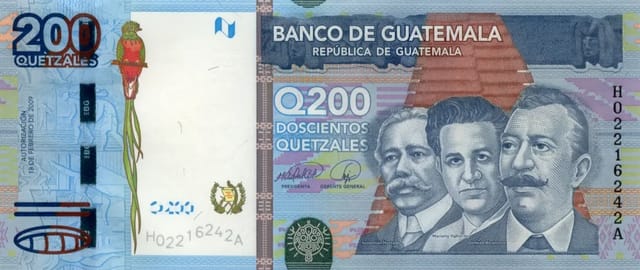
Guatemala has over 750 recorded bird species packed into a country smaller than Tennessee. The topography – from Pacific mangroves at sea level to cloud forests above 3,000 meters – creates an extraordinary range of habitats. And then there is the Resplendent Quetzal, the bird that gave its name to Guatemala’s currency and sits on the national flag.
I am not a serious birder, but living in Guatemala has turned me into an accidental one. When a Quetzal flies past you in the cloud forest trailing its 60-centimeter tail feathers, or when a flock of scarlet macaws erupts from the jungle canopy at Tikal, you stop being someone who “does not care about birds.”
TL;DR: Guatemala has 750+ bird species including the Resplendent Quetzal. Best Quetzal viewing is February-April at the Biotopo del Quetzal (Q40 entry). Birding guides cost Q100-300 per half day.
Top Birding Sites
| Location | Department | Key Species | Best Months | Guide Cost (GTQ) | Entry Fee (GTQ) | Species Count |
|---|---|---|---|---|---|---|
| Biotopo del Quetzal | Baja Verapaz | Resplendent Quetzal, Highland Guan | Feb-Apr | Q100-200 ($13-26) | Q40 ($5) | 150+ |
| Los Tarrales | Suchitepequez | 350+ species, Horned Guan | Nov-Apr | Q100-200 ($13-26) | Q100 ($13) | 350+ |
| Tikal National Park | Peten | Toucans, parrots, Ocellated Turkey | Nov-Apr | Q200-400 ($26-52) | Q150 ($20) | 300+ |
| Lake Atitlan | Solola | Azure-rumped Tanager, grebes | Year-round | Q100-150 ($13-20) | Free (lakeside) | 200+ |
| Sierra de las Minas | Baja Verapaz | Horned Guan, Quetzal | Mar-May | Q200-300 ($26-39) | Q50 ($6.50) | 200+ |
| Cerro San Gil | Izabal | Caribbean species, Keel-billed Toucan | Nov-Apr | Q150-250 ($20-32) | Q30 ($4) | 250+ |
| Rey Tepepul | Solola | Cloud forest endemics | Year-round | Q100-150 ($13-20) | Q25 ($3.25) | 150+ |
Prices verified February 2026. See our exchange rates page for today’s USD/GTQ rate.
The Resplendent Quetzal: Guatemala’s National Bird
The Quetzal (Pharomachrus mocinatus) is arguably the most beautiful bird in the Americas. The male has iridescent green plumage, a crimson breast, and tail coverts that can extend 60+ centimeters beyond its body. It was sacred to the ancient Maya – Quetzal feathers were more valuable than gold.
Where to See One
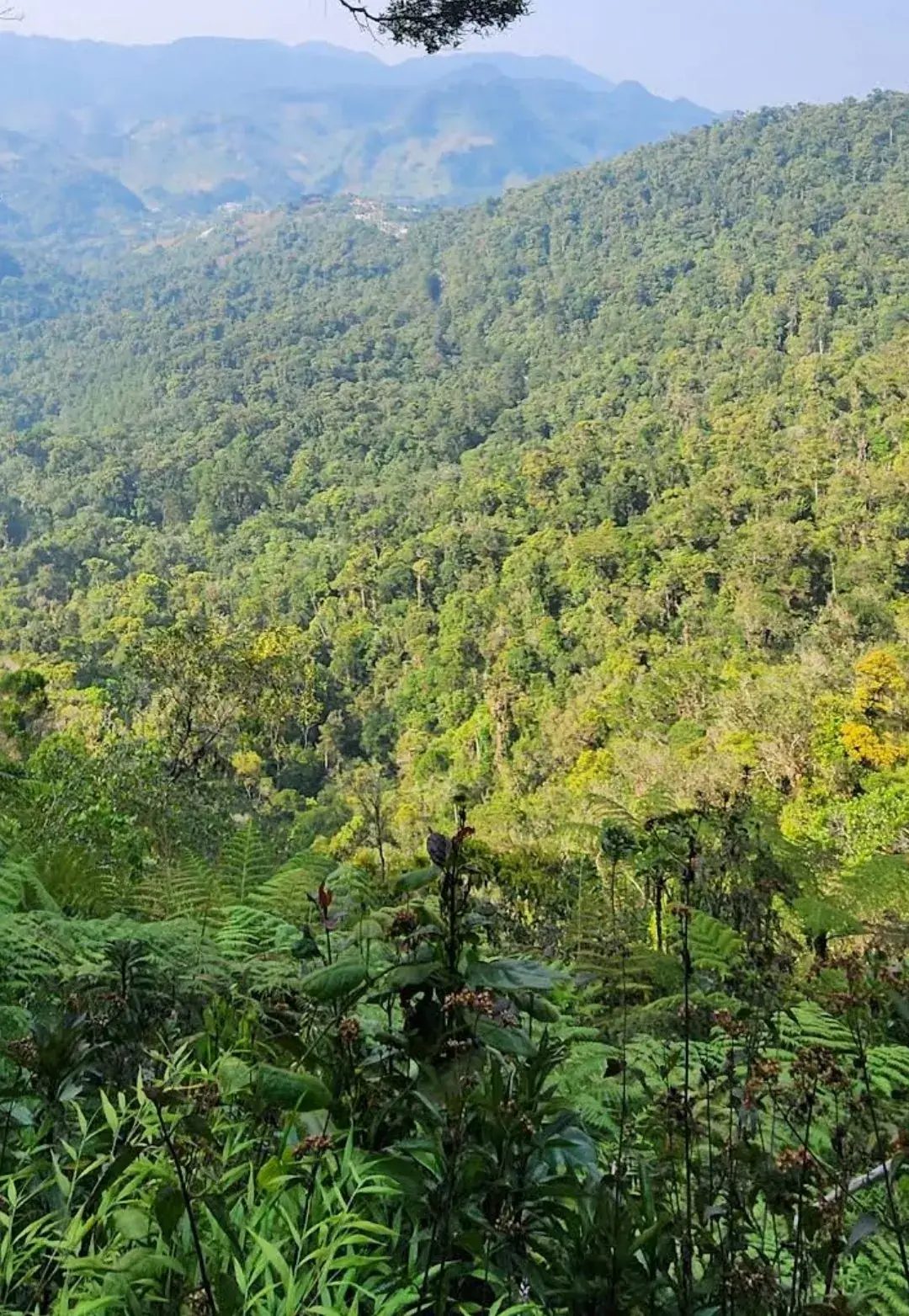
Biotopo del Quetzal (officially Biotopo Mario Dary Rivera) in Baja Verapaz is the most reliable spot. The reserve protects a strip of cloud forest along the highway between Guatemala City and Coban. Two loop trails wind through the forest.
- Best months: February through April, during nesting season. Males display their spectacular tails during courtship flights.
- Best time of day: 5:30-8:00 AM. Quetzals are most active at dawn, feeding on wild avocados (aguacatillo).
- How to find them: Hire a local guide at the entrance. Guides know the nesting trees and feeding areas. A good guide virtually guarantees a sighting during peak season.
Realistic Expectations
Outside of nesting season (May-January), Quetzal sightings are possible but not guaranteed. The birds are still present but less conspicuous without their breeding plumage and courtship behavior. If seeing a Quetzal is your primary goal, plan for February-April.
| Month | Sighting Probability | Notes |
|---|---|---|
| February | High | Early courtship, males growing tail feathers |
| March | Highest | Peak nesting, most active displays |
| April | High | Late nesting, chicks appearing |
| May-September | Moderate | Rainy season, less active |
| October-January | Low-Moderate | Non-breeding, less conspicuous |
Photography Tips
- Bring a telephoto lens (300mm minimum, 400-600mm ideal). Quetzals perch in the canopy and do not tolerate close approach.
- Use a tripod or monopod. Cloud forest light is dim under the canopy.
- Wear dark, muted clothing. Bright colors can spook birds.
- Be patient and quiet. A good sighting often requires 30-60 minutes of waiting near a known nest tree.
Los Tarrales: The Biodiversity Hotspot
Los Tarrales is a private nature reserve on the Pacific slope of Atitlan volcano, operated as a sustainable coffee farm and conservation area. With 350+ recorded species, it is the single most species-rich birding site in Guatemala.
The reserve ranges from lowland coffee plantations (600m) to cloud forest (2,400m), covering multiple habitat zones. It is one of the most reliable places to find the critically endangered Horned Guan (Oreophasis derbianus), a turkey-sized bird found only in the cloud forests of Guatemala and southern Mexico. The reserve also runs excellent coffee tours through its working plantation.
Visiting
- Day visits: Q100 ($13) entrance, Q100-200 ($13-26) for a guide
- Overnight stays: Q400-800 ($52-104) including meals, lodging, and guided walks
- Getting there: 2.5 hours from Antigua via Patulul. The last stretch is rough road.
Tikal: Jungle Birding at Maya Ruins
Tikal National Park is not just for archaeology – the 576 km2 protected forest is one of the best birding areas in the Maya world. The combination of ancient temples and tropical forest birds creates a unique experience.
Key species at Tikal:
- Keel-billed Toucan (the Froot Loops bird)
- Collared Aracari
- Ocellated Turkey (endemic to the region, stunning iridescent plumage)
- Scarlet Macaw (reintroduction program)
- Ornate Hawk-Eagle
- 3 species of motmot including the Lesson’s Motmot
Birding is best in the early morning (5:30-8:00 AM) when many species are most active. The sunrise tour at Tikal doubles as excellent birding time. See our Maya Ruins guide for Tikal logistics and costs.
Lake Atitlan: The Azure-Rumped Tanager
Lake Atitlan is home to the Azure-rumped Tanager (Tangara cabanisi), a restricted-range species found only around the lake and in a small area of Chiapas, Mexico. The Rey Tepepul reserve on the slopes above the lake is the best site for this species.
The Giant Pied-billed Grebe (Podilymbus gigas) was endemic to Lake Atitlan but went extinct in the 1980s due to introduced bass. It is a somber reminder of how fragile these ecosystems are.
Lakeside birding is free – just walk the shoreline trails in any town. San Juan La Laguna and Santa Cruz La Laguna are particularly good. Our Lake Atitlan towns guide has details on each community.
Free Birding Options
| Activity | Location | Cost | What You Might See |
|---|---|---|---|
| Lakeside walking | Lake Atitlan towns | Free | Tanagers, hummingbirds, flycatchers |
| Antigua valley | Hills around Antigua | Free | Hummingbirds, orioles, woodpeckers |
| Finca walks | Coffee regions | Free (ask permission) | Warblers, tanagers, trogons |
| Park birding | Guatemala City parks | Free | Urban species, surprisingly diverse |
| eBird hotspots | Anywhere | Free | Guided by community data |
eBird (ebird.org) is an invaluable free resource. Search for Guatemala hotspots to find detailed species lists and recent sightings for any location. For more no-cost activities, see our 40+ free things to do in Guatemala.
Specialized Birding Tours
For serious birders targeting specific species, Guatemala has several excellent tour operators:
| Operator | Base | Day Rate (USD) | Specialty |
|---|---|---|---|
| Cayaya Birding | Guatemala City | $80-120/day | Expert local guides, custom itineraries |
| KEET | Antigua | $100-150/day | Small groups, photography focus |
| Los Tarrales guides | Reserve | $20-30/half day | Best for reserve species |
| Local reserve guides | Various | $13-39/half day | Basic but effective |
Coffee Farms as Birding Sites
Guatemala’s shade-grown coffee farms preserve canopy habitat that attracts hundreds of bird species. Many farms welcome birders, especially in the Antigua and Atitlan regions. See our Coffee Tours guide for farms that double as birding sites.
Related Guides
- Coffee Farm Tours – birding at coffee farms
- Maya Ruins Guide – Tikal jungle birding
- Lake Atitlan Towns – base for lakeside birding
- 40+ Free Things to Do – free birding spots included
Frequently Asked Questions
Where can I see a Quetzal in Guatemala?
The best place is the Biotopo del Quetzal (Biotopo Mario Dary Rivera) in Baja Verapaz, where Quetzals are regularly spotted during nesting season (February to April). Arrive by 6 AM and hire a local guide (Q100-200). Los Tarrales reserve and the cloud forests around Tecpan are also reliable spots.
How many bird species are in Guatemala?
Guatemala has over 750 recorded bird species, making it one of the most biodiverse countries for its size in the Americas. This includes 3 endemic species and dozens of restricted-range species found only in the northern Central American highlands.
How much does a birding guide cost in Guatemala?
Local birding guides charge Q100-300 ($13-39) for a half-day outing at most reserves. Specialized birding tour companies (Cayaya Birding, KEET tours) charge $80-150 per day for expert guides with spotting scopes and species knowledge. Self-guided birding at many reserves costs only the entrance fee (Q25-100).