Community tourism (turismo comunitario) is tourism led by the communities themselves, which INGUAT’s director has called truly sustainable. Three community programmes publish what they offer on their own websites, and you can book each one without an agency: De La Gente’s grower-led coffee tour near Antigua (USD 45), Trama Textiles’ backstrap-loom classes with a women’s weaving cooperative in Xela (from Q150), and the CECAP vocational centre in Santa Cruz La Laguna on Lake Atitlán (group tours, lunch and classes on request). In the far north, the El Mirador trek can only be done with community tourism commissions authorised by CONAP.
Prices and details below come from each organisation’s own website, read on 4 November 2026. Conversions use Banguat’s rates for 3 November 2026 (USD 1 = Q7.63621; CAD 1 = Q5.46087; GBP 1 = Q9.8002).
Quick summary
| Programme | Where | What you do | Price | Book |
|---|---|---|---|---|
| De La Gente coffee tour | San Miguel Escobar, outside Antigua | Walk the fields with a coffee grower, see roasting and grinding, coffee in their home | USD 45 per person (about CAD 63 / £35); +USD 35 with a cooking class the same day | tours@dlgcoffee.org |
| Trama Textiles weaving class | Quetzaltenango (Xela) | Backstrap-loom class with the cooperative’s weavers | From Q150 (2 hours) to from Q800 (20+ hours); US$ prices differ between Trama’s English and Spanish pages | coordinator@tramatextiles.com; WhatsApp +502 3455 6735 |
| Amigos de Santa Cruz / CECAP | Santa Cruz La Laguna, Lake Atitlán | Vocational-centre tour; lunch at Café Sabor Cruceño; cooking, beading or weaving class | Not listed on the group-tours page; ask | reservations@amigosdesantacruz.org; WhatsApp +502 3728 0944 |
| El Mirador trek | Petén | Trek to the Mirador-Río Azul national park | Not on CONAP’s page; ask the commissions | Through CONAP-authorised commissions (Carmelita, Uaxactún and others) |
What community tourism means here
At a high-level tourism meeting of the UN General Assembly reported by the Agencia Guatemalteca de Noticias (AGN) on 17 April 2024, INGUAT’s director, Harris Whitbeck, put it this way: “Para nosotros, un turismo liderado por las comunidades es un turismo realmente sostenible” (for us, tourism led by communities is truly sustainable), provided community needs are balanced with the country’s. AGN also reports that the challenges discussed for communities included a lack of infrastructure and of the promotion needed for visitors to find them.
A practical test before you book: ask who leads the visit and who receives the money.
De La Gente: coffee growers lead the tour (Antigua)
Asociación De La Gente, based at 1a avenida norte #10 in Antigua, says its Community Tourism Program exists to create income for smallholder coffee farmers and their families, and that the producers themselves lead and run the activities. Its coffee tour starts in San Miguel Escobar, a community on the edge of Antigua.
| Detail | As published |
|---|---|
| Price | USD 45.00 per person, ages 5 and older (about Q344, CAD 63 or £35) |
| Included | Transport from Antigua and back; Spanish-English interpretation; a walk through the coffee fields with a traditional roasting and grinding demonstration; coffee in the grower’s home; 12 ounces of roasted coffee to take away |
| Combo | USD 35 more per person for a coffee tour and cooking class on the same day |
| Group size | Minimum 2 adults; solo travellers pay an extra USD 25 |
| Walking | About 5 km (3.2 miles), with uneven terrain and some steep parts |
How De La Gente compares with Antigua’s farm tours is on our Antigua coffee tours page, and its pepián class is on Antigua cooking classes.
Trama Textiles: weaving with a women’s cooperative (Xela)
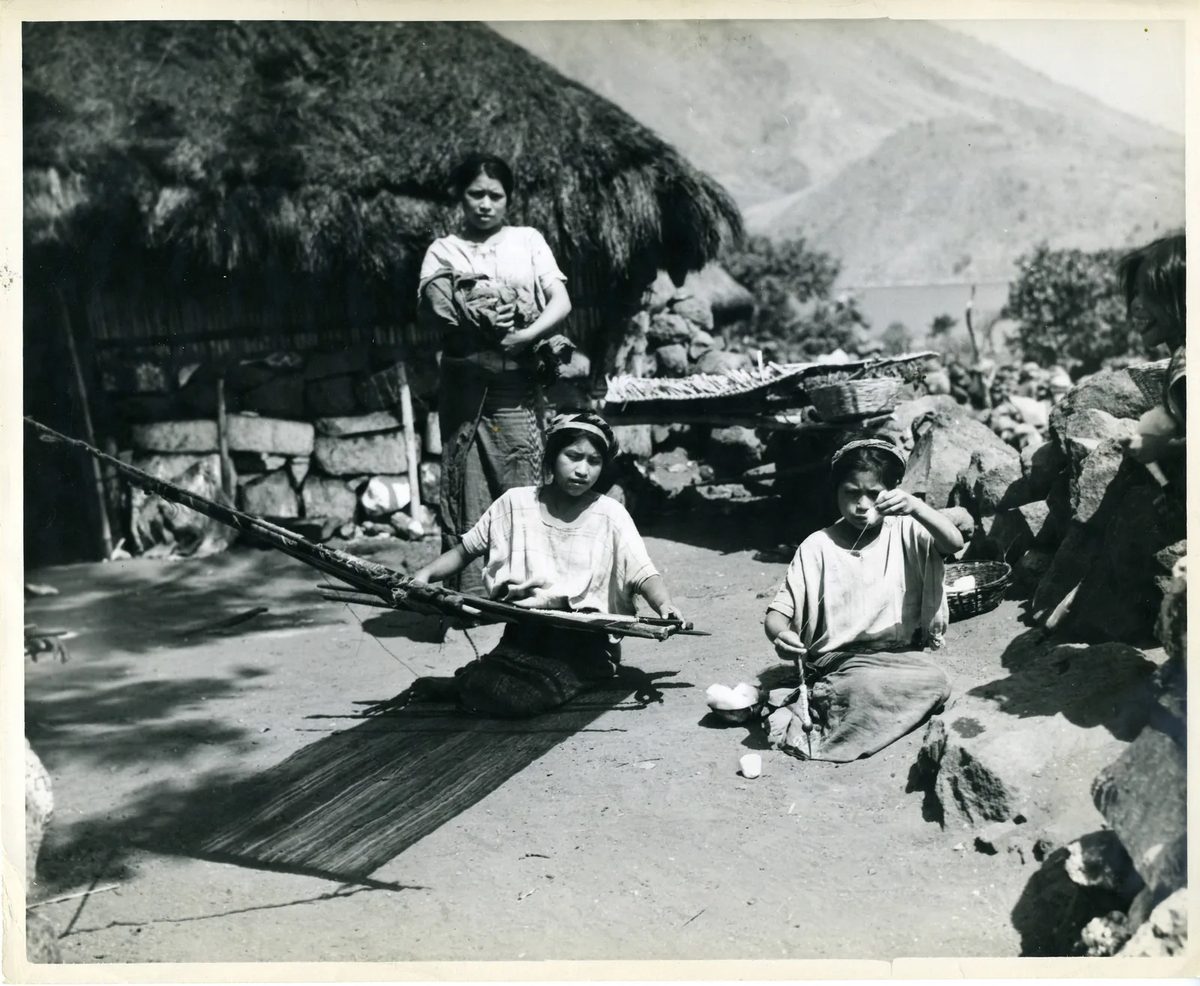
Trama Textiles calls itself a women’s weaving cooperative. Its classes in Quetzaltenango are led by its weavers Amparo and Oralia and cover preparing the warp, setting up the backstrap loom (telar de cintura) and weaving your own piece. Quetzal prices are the same on Trama’s English and Spanish pages; the dollar prices are not, so the table shows both.
| Project | Time | Price (Q) | US$ (English page) | US$ (Spanish page) |
|---|---|---|---|---|
| Coaster (posavasos) | 2 hours | Q150 | $22 | $20 |
| Placemat (individual) | 5 hours | Q250 | $35 | $32 |
| Scarf (bufanda) | 10 hours | Q400 | $54 | $51 |
| Table runner (centro de mesa) | 15 hours | Q700 | $82 | $80 |
| Table runner with embroidery | from 20 hours | from Q800 | from $106 | from $102 |
Classes run Monday to Friday, 9:00 am to 1:00 pm and 2:00 pm to 6:00 pm. You can start any day and spread the hours as you like. Sign up at the Trama office in Xela, by email (coordinator@tramatextiles.com) or on WhatsApp (+502 3455 6735). For the coaster, paying in quetzales is slightly cheaper at the 3 November rate: Q150 is about $19.64, against $22 on the English page and $20 on the Spanish one. That does not hold for every class (Q700 for the table runner converts to more than either listed dollar price), so compare both before you pay. At Lake Atitlán, the weaving cooperatives of San Juan La Laguna are covered in our San Juan La Laguna textile tour guide.
Amigos de Santa Cruz and CECAP (Santa Cruz La Laguna, Lake Atitlán)
Amigos de Santa Cruz’s group-tours page invites visitors to CECAP, a vocational training centre in Santa Cruz La Laguna, which it describes as a close-knit community of Indigenous Kaqchikel Maya on the lake shore. The page offers:
- A tour of the centre, meeting students learning carpentry, culinary arts and weaving.
- Group lunch at the rooftop Café Sabor Cruceño, where graduates of CECAP’s culinary programme serve the food.
- A cooking, beading or weaving class added to lunch, such as cooking pepián or weaving a backstrap-loom scarf.
The page lists no prices; book through reservations@amigosdesantacruz.org or WhatsApp +502 3728 0944 (English or Spanish). Boats to the village are on Panajachel to Santa Cruz La Laguna.
El Mirador: community commissions are the only way in
CONAP’s tourism page for the Mirador-Río Azul national park says access is allowed only when accompanied by the tourism commissions of Carmelita, Uaxactún and others authorised by CONAP, and that trips run on reservation and authorisation dates (page read 24 October 2026). Routes and trek length are on our El Mirador guide.
More community-run experiences on this site
- Corazón del Bosque, a forest park in Sololá run by a community association.
- Candelaria caves, including the Mucbilhá entrance, which Prensa Comunitaria profiles as community tourism.
- Laguna Brava, Huehuetenango, where the nearby community of Chaculá offers ecotourism services including lodging (Prensa Libre, 2016).
- Family homestays arranged by language schools: Spanish schools in Guatemala.
Sources
- Agencia Guatemalteca de Noticias (AGN), Inguat impulsa el turismo comunitario para el desarrollo sostenible, 17 April 2024: agn.gt, read 4 November 2026
- De La Gente, Community Tourism: dlgcoffee.org/community-tourism, read 4 November 2026
- De La Gente, Coffee Tour: dlgcoffee.org/coffee-tour, read 4 November 2026
- Trama Textiles, weaving lessons, English page: tramatextiles.org, and Spanish page: tramatextiles.org/es, read 4 November 2026
- Amigos de Santa Cruz, Group Reservations and Tours: amigosdesantacruz.org, read 4 November 2026
- CONAP, Parque Nacional Mirador-Río Azul tourism page: turismo-sigap.conap.gob.gt, read 24 October 2026
- Exchange rates: Banguat reference rates for 3 November 2026 (banguat.gob.gt)
Frequently Asked Questions
What is community tourism in Guatemala?
Tourism led by the community itself, such as tours run by producers, weavers or village associations. INGUAT’s director, Harris Whitbeck, told a UN General Assembly tourism meeting in April 2024 that tourism led by communities is truly sustainable when community needs are balanced with the country’s needs (AGN, 17 April 2024).
How much is a community coffee tour near Antigua?
De La Gente’s coffee tour, led by small-scale growers in San Miguel Escobar, costs USD 45 per person (ages 5 and older), including transport there and back from Antigua, interpretation, coffee in the grower’s home and 12 ounces of roasted coffee to take away. It needs at least two adults; a solo tour costs USD 25 more. Price as of 4 November 2026.
Where can I learn backstrap-loom weaving from a cooperative?
Trama Textiles, a women’s weaving cooperative in Quetzaltenango (Xela), teaches backstrap-loom classes with its weavers Amparo and Oralia, Monday to Friday, 9:00 am to 1:00 pm and 2:00 pm to 6:00 pm. A two-hour coaster costs Q150 and a ten-hour scarf Q400, as of 4 November 2026; Trama’s English page lists those as $22 and $54, its Spanish page as $20 and $51.
Can I visit El Mirador without a community guide?
No. CONAP’s tourism page for the Mirador-Río Azul national park says access is allowed only with the tourism commissions of Carmelita, Uaxactún and others authorised by CONAP, and that trips depend on reservation and authorisation dates.
How do I book community tourism directly?
Contact the organisation itself. De La Gente takes bookings at tours@dlgcoffee.org, Trama Textiles at coordinator@tramatextiles.com or WhatsApp +502 3455 6735, and Amigos de Santa Cruz (CECAP, Lake Atitlán) at reservations@amigosdesantacruz.org or WhatsApp +502 3728 0944.