The customs that official advice flags for Guatemala come down to five: ask before you photograph anyone (the UK and Canada both single out children, and Canada also women in Indigenous communities), dress conservatively and behave discreetly, treat churches and Maya altars as working places of worship, avoid haggling aggressively over crafts (INGUAT), and carry ID at all times. The photo rule is tied to violence in both governments’ advice: the UK Foreign Office links it to attacks over fears of child kidnapping, and Canada reports lynchings of suspected child abductors in rural areas.
This page draws on the UK FCDO’s and Canada’s Guatemala travel advice, INGUAT’s Visit Guatemala town guides and the US State Department’s 2023 religious freedom report, read on 4 November 2026 unless another date is given, plus the Ministry of Culture’s rules for ceremonial sites. For tipping, see our tipping in Guatemala guide.
Quick summary
| Situation | What to do | Source |
|---|---|---|
| Photographing people | Ask permission first, especially with children; you may be asked for a small payment | UK FCDO |
| Children and women in Indigenous communities | Avoid approaching or photographing them | Canada |
| Rituals and ceremonies | Ask permission before photographing people or rituals | INGUAT |
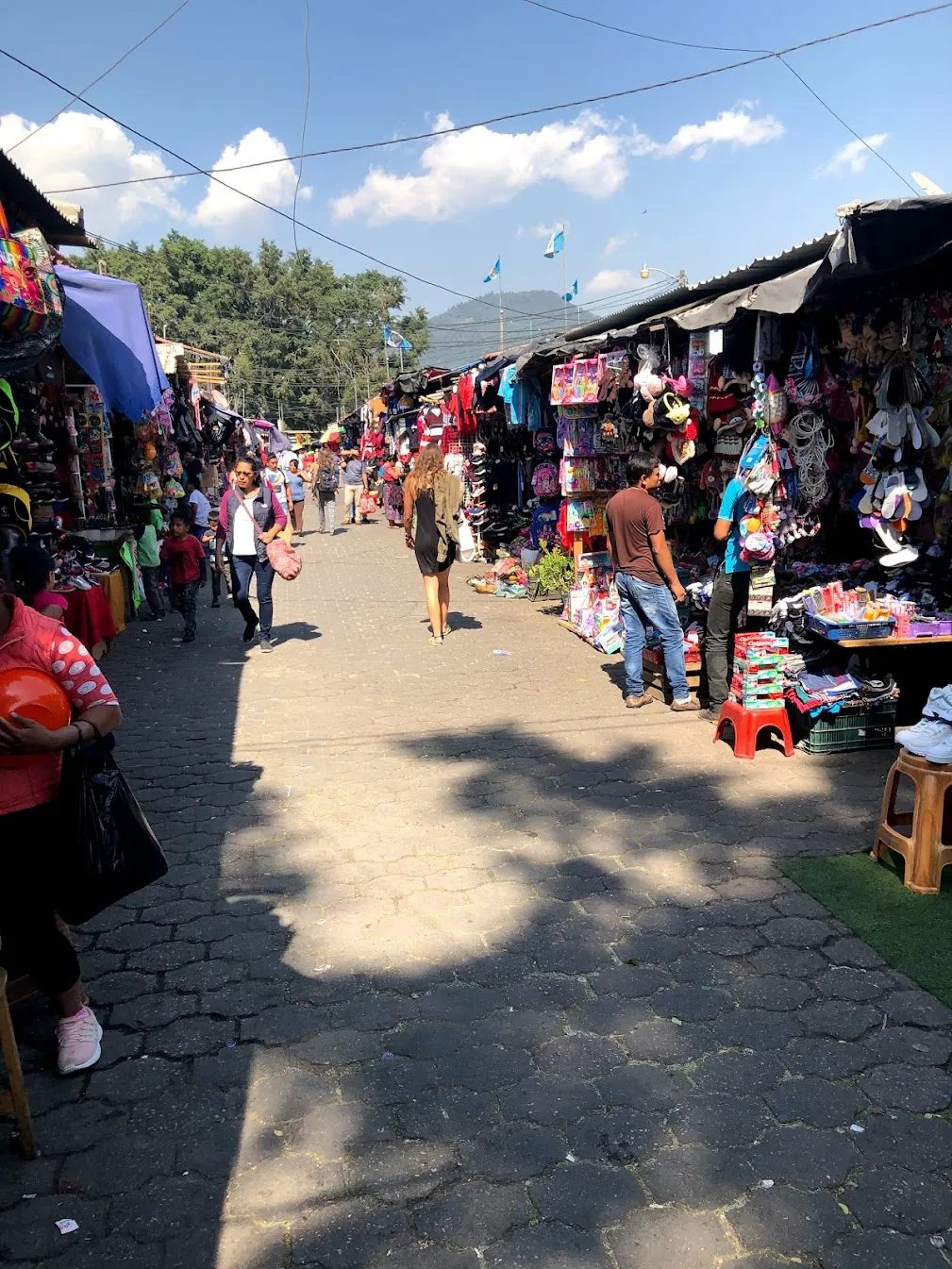
| Markets and crafts | Support local craftsmanship; avoid haggling aggressively; carry cash | INGUAT |
| Clothing and behaviour | Dress conservatively, behave discreetly, respect religious and social traditions | Canada |
| Maya ceremonies and altars | No loudspeakers or fireworks; no entry under the influence of alcohol or drugs; ceremonies at the designated altars | Acuerdo Ministerial 981-2011 (AGN) |
| ID | Carry ID at all times; in San Pedro La Laguna a copy may not be accepted | UK FCDO |
| Government sites | Illegal to photograph government buildings, military installations, the Presidential Palace and airports | Canada |
| Alcohol | Sales may be banned at certain times, such as elections | UK FCDO |
| Drugs | Severe penalties; lengthy prison sentences | UK FCDO; Canada |
| Antiquities and artefacts | Strict import and export rules may be enforced | Canada |
| Public affection | Canada, in its advice for 2SLGBTQI+ travellers, says to avoid public displays of affection; the UK says attitudes are more conservative outside Guatemala City | Canada; UK FCDO |
Photographing people: ask, and expect a no
The UK Foreign Office’s Guatemala advice, under Laws and cultural differences, says: “Do not take photographs without permission, especially of children.” It singles out remote departments, naming Quiché, Petén, San Marcos and Chiquimula, and explains why: people have been attacked over suspicions that children were being abducted for adoption or for their organs, and foreigners have been among those hurt. It also warns that both adults and children may ask a small fee to be photographed.
Canada’s advice goes further on who to avoid. It describes a widespread fear in Guatemala that children are abducted for illegal adoption or sexual abuse, says that photos of women and children where Indigenous communities live can feed that fear, and advises: “Avoid approaching or photographing children and women, especially in Indigenous communities.” Under its safety section, it reports a rise in vigilante justice in the countryside, including lynchings of people suspected of abducting children, of extortion or of other crimes.
What this means in practice:
- Ask before the camera comes up, not after.
- Do not approach other people’s children to photograph them.
- At a ceremony or procession the same applies: INGUAT’s Santiago Atitlán guide asks you to request permission before photographing people or rituals.
- If someone asks for a small payment to be photographed, pay it or put the camera away.
- Canada lists places you may not photograph at all: government buildings, military installations, the Presidential Palace and airports. The legal detail is on our photographing police and military sites page.
Markets, crafts and bargaining
INGUAT’s Visit Guatemala guide to San Juan La Laguna gives three rules for respectful shopping: ask before photographing people, support local craftsmanship, and avoid haggling aggressively. INGUAT says each item there usually represents time, skill and knowledge passed down through the generations. The same guide suggests carrying cash for crafts, coffee and local transport. Prices and the weaving cooperatives are on our San Juan La Laguna textile tour guide, and market-day advice for Chichicastenango is on the Chichicastenango market guide.
If a vendor offers you an old carved piece or an archaeological object, be careful: Canada’s advice warns that Guatemalan customs can apply strict rules to taking antiquities and artefacts into or out of the country.
Dress and behaviour
Canada’s advice notes that local beliefs and customs vary and are strongly held, and lists three ways to avoid offending local sensitivities: “dress conservatively”, “behave discreetly” and “respect religious and social traditions”. What to pack is on our what to wear in Guatemala guide.
Churches, Maya altars and religion
The US State Department’s 2023 International Religious Freedom Report, citing a 2016 ProDatos survey, puts about 45 percent of Guatemalans as Catholic and 42 percent as non-Catholic Christian, with about 11 percent reporting no religious affiliation. A further group of about 2 percent includes, among others, practitioners of Maya spirituality (Cosmovision). The report says that many Indigenous Catholics, and some Indigenous Protestants, blend Indigenous spiritual traditions with Christian practice, and that in Chichicastenango, people from both the Maya and the Catholic communities left Maya-style offerings at sacred places in nature and also went to Mass.
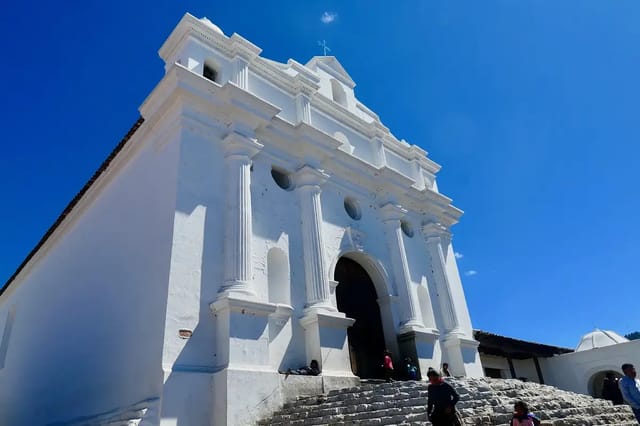
INGUAT’s Santiago Atitlán guide describes Maximón, the cofradías (brotherhoods), the church and the textiles as part of everyday community life, and asks visitors to approach all of them with care and humility. Three places where that matters for visitors, each with its own page:
- Santo Tomás church, Chichicastenango: which door to use and the photo rule inside, on our Chichicastenango market guide.
- Maximón in Santiago Atitlán: offerings, photo fees and etiquette, on visiting Maximón.
- Holy Week processions in Antigua: how to move around the carpets, on our Good Friday procession guide.
At Maya ceremonial sites, the Ministry of Culture’s Acuerdo Ministerial 981-2011, as summarised by AGN on 9 October 2025, holds ceremonies at the designated altars, bans loudspeakers and fireworks, and bars entry under the influence of alcohol or drugs. The full rules, and where ceremonies are held, are on attending a Maya ceremony. Mind your words, too: the State Department’s report records that Maya spiritual guides still faced discrimination and harassment from parts of society, and were even accused of witchcraft. AGN speaks of ceremonies and describes the ajq’ijab’ as spiritual guides of the original peoples; use the same words.
Carrying ID and checkpoints
The UK Foreign Office says the law requires you to carry ID at all times. Almost everywhere a photocopy of the passport’s photo page is enough, but in San Pedro La Laguna, Sololá, the local authorities may refuse a photocopy, and without the original or a certified copy you risk a fine or detention. It also asks visitors to cooperate with soldiers and police and to expect checkpoints. More on our carrying your passport and ID guide.
Alcohol, drugs and public affection
- Alcohol. The UK Foreign Office says the sale of alcohol can be banned or limited at certain times, elections being one example.
- Drugs. The UK Foreign Office warns that penalties for using or trafficking drugs are severe, and Canada’s advice (read 24 September 2026) says those convicted face long prison terms.
- Public affection. The UK Foreign Office says sex between people of the same sex is legal and that the capital is mostly tolerant of LGBT+ people. Beyond Guatemala City, it says, views are more conservative, and affection shown in public can lead to verbal or physical attacks, harassment and discrimination. Canada’s advice (read 24 September 2026) says 2SLGBTQI+ people could face discrimination, that there have been violent attacks on them, and advises: “Avoid public displays of affection.” More on our LGBTQ+ living and travel in Guatemala guide.
Sources
- UK Foreign, Commonwealth & Development Office, Guatemala travel advice, Safety and security (Laws and cultural differences): gov.uk, read 4 November 2026
- Government of Canada, Travel advice and advisories for Guatemala (Safety and security; Laws and culture): travel.gc.ca, read 4 November 2026 (2SLGBTQI+ and drugs sections read 24 September 2026)
- INGUAT, Visit Guatemala, What to see and do in San Juan La Laguna: visitguatemala.gt, read 4 November 2026
- INGUAT, Visit Guatemala, What to see and do in Santiago Atitlán: visitguatemala.gt, read 4 November 2026
- US Department of State, 2023 Report on International Religious Freedom: Guatemala: state.gov, read 4 November 2026
- Agencia Guatemalteca de Noticias (AGN), Conoce sobre la protección de los sitios arqueológicos ceremoniales en Guatemala, 9 October 2025: agn.gt, read 4 November 2026
Frequently Asked Questions
Can I take photos of people in Guatemala?
Ask first, every time. The UK Foreign Office says never to photograph anyone, and children above all, without permission, stresses this for remote areas such as Quiché, Petén, San Marcos and Chiquimula, and links it to violence over rumours of child abduction. Canada’s advice says to keep away from, and not photograph, women and children, above all in Indigenous communities. The FCDO adds that people may ask a small fee to be photographed, adults as well as children.
What should I wear in Guatemala?
Canada’s travel advice notes that local beliefs and customs vary and are strongly held, and lists three ways not to cause offence: dressing conservatively, being discreet and respecting religious and social customs.
Do I need to carry my passport in Guatemala?
You must carry ID at all times, according to the UK Foreign Office. Almost everywhere a photocopy of the passport’s photo page is enough, but in San Pedro La Laguna, Sololá, the local authorities may refuse a photocopy, and without the original or a certified copy you risk a fine or detention.
How should I behave at a Maya ceremony or altar?
As at any place of worship. Acuerdo Ministerial 981-2011 of the Ministry of Culture, as summarised by the Agencia Guatemalteca de Noticias (AGN), bans loudspeakers and fireworks at ceremonial sites and bars entry under the influence of alcohol or drugs. INGUAT’s Santiago Atitlán guide asks you to request permission before photographing people or rituals.
Should I bargain at Guatemalan markets?
Gently, if at all. INGUAT’s visitor guide to San Juan La Laguna asks visitors to support local craftsmanship and to avoid haggling aggressively. INGUAT says each handmade item there usually represents time, skill and knowledge passed down through the generations. It also suggests carrying cash for handicrafts, coffee and local transport.
Is public affection between same-sex couples accepted in Guatemala?
The UK Foreign Office says sex between people of the same sex is legal and that the capital is mostly tolerant of LGBT+ people, but that views are more conservative elsewhere, where affection shown in public can lead to verbal or physical attacks, harassment and discrimination. Canada’s advice for 2SLGBTQI+ travellers says to avoid public displays of affection.