Gas price varies by department in Guatemala, mainly due to haulage distance from the Pacific and Caribbean import terminals and the level of competition between stations. This page shows the regional variation MEM last measured.
Summary: The whole national spread is small — Q1.36 per gallon between the cheapest and dearest departmental capitals in MEM’s last published department table. The cheapest was Puerto Barrios (Izabal) at Q30.88, not one of the dearest as is often assumed; Flores (Petén) was the outlier at Q32.24. For the current national figure, see today’s gas price.
Variation by department (regular gasoline, self-service)
| Department (capital) | MEM 30 Jun-6 Jul 2026 | Vs. Guatemala City | Estimated 3 Aug 2026 |
|---|---|---|---|
| Izabal (Puerto Barrios) | Q30.88 | -Q0.21 | ~Q40.87 |
| Escuintla | Q30.96 | -Q0.13 | ~Q40.95 |
| Sacatepéquez (Antigua) | Q31.04 | -Q0.05 | ~Q41.03 |
| Guatemala (Guatemala City) | Q31.09 | — | Q41.08 |
| Chimaltenango | Q31.09 | — | ~Q41.08 |
| Suchitepéquez (Mazatenango) | Q31.17 | +Q0.08 | ~Q41.16 |
| Santa Rosa (Cuilapa) | Q31.17 | +Q0.08 | ~Q41.16 |
| Retalhuleu | Q31.24 | +Q0.15 | ~Q41.23 |
| El Progreso (Guastatoya) | Q31.26 | +Q0.17 | ~Q41.25 |
| Sololá | Q31.26 | +Q0.17 | ~Q41.25 |
| Jalapa | Q31.31 | +Q0.22 | ~Q41.30 |
| Quetzaltenango | Q31.34 | +Q0.25 | ~Q41.33 |
| Quiché (Santa Cruz) | Q31.34 | +Q0.25 | ~Q41.33 |
| Jutiapa | Q31.36 | +Q0.27 | ~Q41.35 |
| Totonicapán | Q31.38 | +Q0.29 | ~Q41.37 |
| Baja Verapaz (Salamá) | Q31.43 | +Q0.34 | ~Q41.42 |
| San Marcos | Q31.45 | +Q0.36 | ~Q41.44 |
| Chiquimula | Q31.52 | +Q0.43 | ~Q41.51 |
| Zacapa | Q31.52 | +Q0.43 | ~Q41.51 |
| Huehuetenango | Q31.57 | +Q0.48 | ~Q41.56 |
| Alta Verapaz (Cobán) | Q31.61 | +Q0.52 | ~Q41.60 |
| Petén (Flores) | Q32.24 | +Q1.15 | ~Q42.23 |
Note — the last column is an estimate, not a quoted price. MEM published a weekly reference table for all 22 departmental capitals only while the Decreto 11-2026 fuel subsidy was running; that table ended with the 30 June - 6 July 2026 edition. Per-department figures are now published only monthly. The estimates above take MEM’s current monitored capital price (Q41.08 regular, self-service, 3 August 2026) and add each department’s own gap to the capital from that last published table. Treat them as a guide to the spread, not as prices you can hold a station to. Only the middle two columns are MEM figures.
Why Petén is most expensive
Flores is the furthest departmental capital from both the Pacific and the Caribbean import terminals, and the fuel crosses several departments by tanker truck to get there. That showed up as Q1.15 per gallon above Guatemala City in MEM’s last published table — about Q17 extra on a 15-gallon fill. It is the only capital more than Q0.55 above the capital, which makes it a genuine outlier rather than the top of a smooth gradient.
Why the coastal departments are cheapest
Guatemala imports refined fuel through both coasts, so the ports sit at the bottom of the table rather than the top. Puerto Barrios (Caribbean, Izabal) was the cheapest capital in MEM’s last table at Q30.88, and Escuintla (Pacific) was second at Q30.96 — both below Guatemala City. This is the opposite of the usual assumption that remote Caribbean departments pay the most.
Strategy for frequent drivers
If you regularly drive between departments:
- Only Petén is worth planning around — at +Q1.15 per gallon it is the one department where topping up before you go actually pays. Izabal is cheaper than the capital, so there is nothing to save by filling before you drive to Puerto Barrios
- Keep it in proportion — the biggest gap to the capital, Petén’s Q1.15, is about Q17 on a 15-gallon tank. The end of the subsidy added roughly Q10 per gallon in five weeks, which dwarfs any department-to-department move
- Choose the pump, not the department — self-service runs about Q1.09 per gallon below full-service, nearly as much as the entire national spread. See today’s gas price for the current reading
Strategy for fleet operators
For transport companies with fleets:
- Pump your own fuel — the Q1.09 per gallon self-service saving is the one discount that is published and verifiable
- Negotiate — prices are not regulated in Guatemala, so distributor and volume terms are between you and the supplier; we do not publish discount figures we cannot source Update, September 10, 2026: Congress passed Decree 21-2026 (130 votes, national urgency), which caps consumer prices at Q39 per gallon for diesel and regular gasoline and Q41 for premium through a compensation mechanism; it awaits sanction and publication, so prices stay unregulated until it takes effect (Diario de Centro América). Update, September 12: an objection filed by a deputy on September 10 stopped the decree from reaching the Executive; Congress takes it up on September 22, and there is no date, even tentative, for the caps to take effect (Prensa Libre).
- Budget diesel separately — diesel rose 61% between 1 July and 3 August 2026 and is now the most expensive of the three grades at Q43.80, above regular at Q41.08. Any freight cost model built on cheap diesel is out of date
For diaspora renting cars
If you rent a car and will travel to:
| Destination | Recommendation |
|---|---|
| Antigua, Lake Atitlán, Pacaya | No need to plan — Antigua is slightly below the capital, Sololá about Q0.17 above |
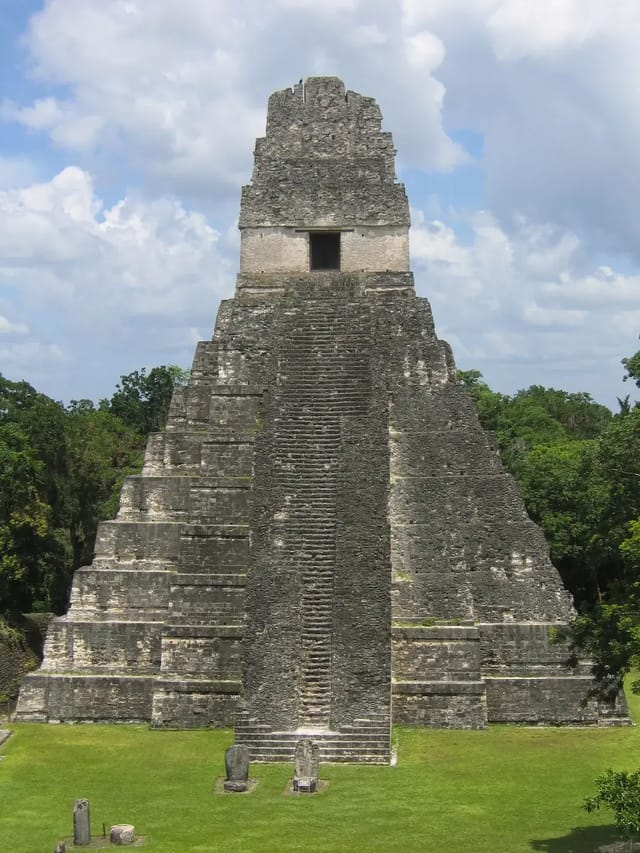
| Petén (Tikal) | Worth filling before you go — Flores runs about Q1.15 above the capital |
| Quetzaltenango | Any large station is fine (about Q0.25 above the capital) |
| South coast | Escuintla is among the cheapest capitals |
| Caribbean (Puerto Barrios) | Fill there, not before — Izabal was the cheapest capital in MEM’s last table |
Related
- Today’s Gas Price — current national prices
- Price History — the 2026 subsidy and the jump after it ended
- Diesel vs Regular vs Premium — fuel differences
- Cost to Fill Tank — by car model
- Exchange Rate — affects international fuel price
Frequently Asked Questions
Which departments have the cheapest gas?
The coastal ones. In MEM’s last published department table (regular gasoline, self-service, 30 June to 6 July 2026), Puerto Barrios in Izabal was the cheapest departmental capital at Q30.88, followed by Escuintla at Q30.96 and Antigua at Q31.04, against Q31.09 in Guatemala City. Guatemala imports refined fuel through both the Pacific and the Caribbean coasts, which is why a Caribbean port is at the bottom of the table rather than the top. Flores in Petén is the genuine outlier at Q32.24.
Why does price differ between departments?
Three factors: (1) haulage distance from the Pacific and Caribbean import terminals, (2) competition between stations, and (3) demand volume. The total national spread in MEM’s last published table was only Q1.36 per gallon, so the difference is real but small next to the Q10 the end of the Decreto 11-2026 subsidy added in July 2026.
Where can I find updated prices by department?
MEM stopped publishing the weekly 22-department reference table when the subsidy ended — the last edition covered 30 June to 6 July 2026. MEM now publishes monitored prices weekly for Guatemala City and surrounding areas, and per-department figures only monthly, at mem.gob.gt under Hidrocarburos, Comercialización Downstream, Precios de combustibles nacionales. The per-department figures on this page are therefore estimates, not quoted prices.
Is it legal to charge more in tourist areas?
Yes. Fuel prices in Guatemala are not regulated — every station sets its own price and MEM only monitors and publishes what stations actually charge. What is not allowed is charging something different from the price posted on the station board. Update, September 10, 2026: Congress passed Decree 21-2026 as a national-urgency measure (130 votes), setting consumer price caps of Q39 per gallon for diesel and regular gasoline and Q41 for premium; it awaits the Executive’s signature and publication, so until it takes effect prices remain unregulated (Diario de Centro América). Update, September 12: an objection filed by a deputy on September 10 stopped the decree from reaching the Executive; Congress takes it up on September 22, and there is no date, even tentative, for the caps to take effect (Prensa Libre).