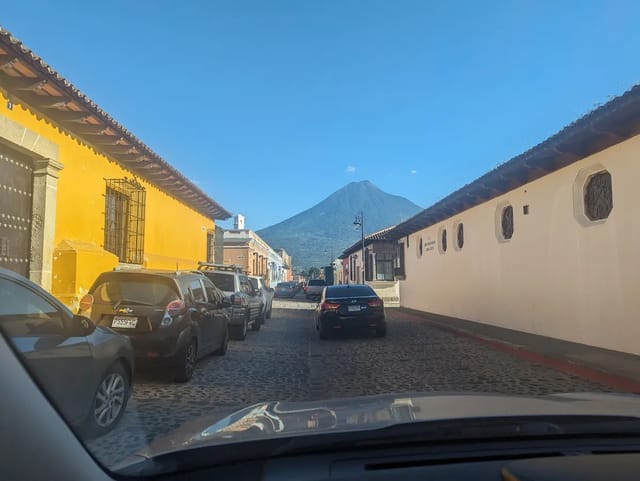
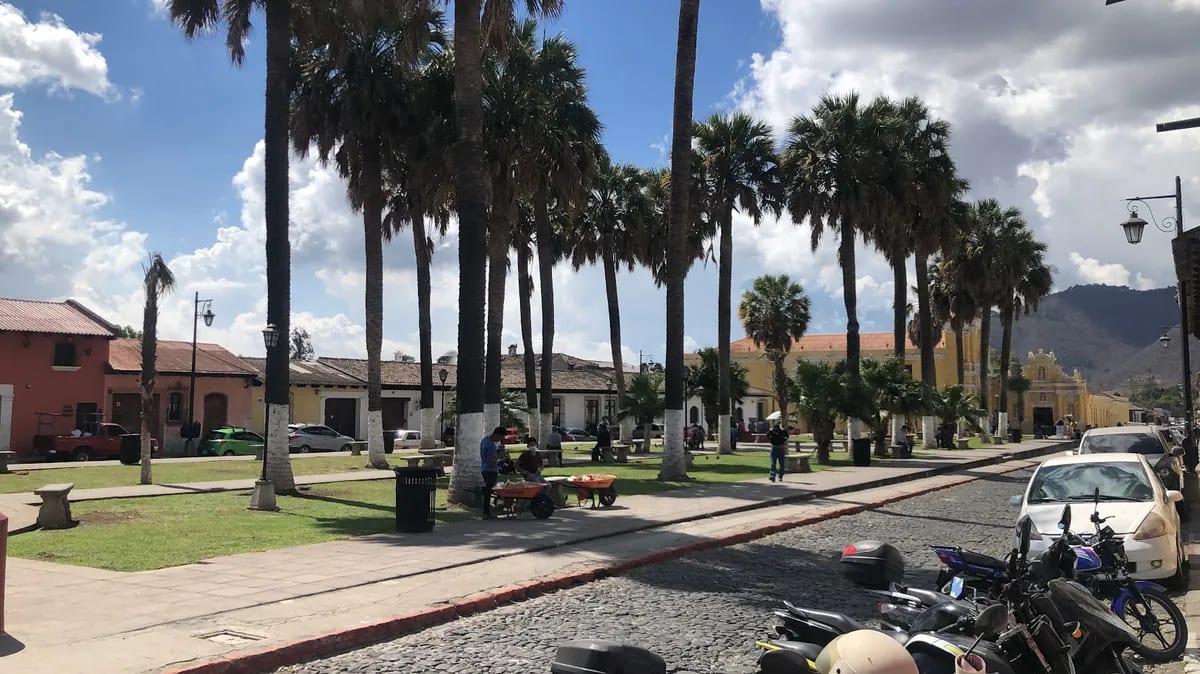
Yes — Guatemala is workably safe for digital nomads in 2026, with real qualifiers. The US State Department rates the country Level 3: Reconsider Travel (issued March 12, 2026, for crime and terrorism), yet the same advisory’s crime section is blunt about who violent crime actually touches: “Tourists are not usually the targets of violent crime. They are targeted for petty crime and theft.” The national homicide rate runs around 17 per 100,000 — lower than several Mexican states — and the places remote workers actually live (Antigua, the Lake Atitlán towns, Guatemala City’s Zonas 10/14/16) sit at the safe end of the country’s range. The honest answer is not “it’s fine” or “it’s dangerous”; it’s that your laptop and phone are the target, four specific areas are off the map entirely, and the difference between a good year and a bad story is mostly routine.
This page answers one question only: safety for remote workers. If you want the general picture — department-by-department scores, the live advisory level, crime data tables — that lives on our Guatemala safety hub. Traveling with kids instead? See the sibling page, Is Guatemala Safe for Families?
Quick summary (nomad safety in Guatemala, 2026):
- Advisory: US Level 3 “Reconsider Travel” nationally; Level 4 “Do Not Travel” for San Marcos Dept., Huehuetenango Dept., Zone 18 (Guatemala City), and Villa Nueva.
- Your actual risk: petty theft of electronics — the State Department says thieves specifically target smartphones, headphones, smartwatches.
- Where nomads base: Antigua (~8/10), Lake Atitlán (~7/10), GC Zonas 10/14/16 (8-9/10), Xela center — all on the site’s canon safe-areas list.
- Transport: Uber or radio-dispatch taxis; the State Department says avoid public transport, white taxis, and chicken buses.
- Save these: Police 110 · Fire/Ambulance 122/123 · PROATUR +502 2290 2810 (or 1500 in-country).
The risk, translated for a laptop worker
Read the State Department advisory as a nomad and one line matters more than the headline level: thieves here target electronics — smartphones, headphones, smartwatches. That is a near-perfect description of a remote worker’s daily carry. The advisory adds that armed robbery is common especially after dark in urban areas, that valuables should never be left in vehicles, and that tourists can face opportunistic scams and extortion. It also flags a structural problem worth internalizing: low arrest and conviction rates, meaning if your gear is taken, you should not expect to get it back through police work.
Two more points from the same source belong in your risk model: the advisory notes gang-related violence in some areas (robbery, carjacking, drug trafficking, assaults, murders), and it states that reports of sexual violence are common while victim support is limited — relevant reading for solo travelers of any gender.
What the advisory does not describe is violent crime aimed at foreigners as a pattern. The nomad safety question in Guatemala is, concretely, a petty-theft management problem layered on top of a short list of areas you simply don’t go. Both halves are very tractable.
Where nomads actually base — and the canon scores
Remote workers here cluster in a handful of places, all of which appear on the safety hub’s canonical safe-areas list: Antigua Guatemala, the Lake Atitlán towns (Panajachel, San Pedro, and San Marcos La Laguna — the lakeside village, not San Marcos Department, which is a Level 4 area), Guatemala City’s Zonas 10, 14, and 16, and Quetzaltenango’s (Xela’s) center.
| Base | Canon safety score | Notes |
|---|---|---|
| GC Zonas 14 / 15 / 16 (incl. Cayalá) | ≈ 9/10 | Gated communities, private security |
| GC Zona 10 (Zona Viva) | 8/10 | Hotel/embassy district; see the Zona 10 guide |
| Antigua Guatemala | ≈ 8/10 | Municipal homicide rate 23.8 per 100,000 (12 months to June 2026; national 16.2; Sacatepéquez 11.9, Diálogos); POLITUR (tourist police) patrols; main risks are petty theft in crowded areas and late-night drunk-tourist incidents |
| Lake Atitlán towns | ≈ 7/10 | Panajachel, San Pedro, San Marcos La Laguna |
| Quetzaltenango (Xela) center | on safe-areas list | Western highlands are the country’s safest region (Quiché and Totonicapán score ≈ 9/10) |
Scores are the site’s canonical ratings — INE homicide data converted to a 1-10 scale (10 = safest), reviewed quarterly. Full methodology and all 22 departments on the safety hub.
In Guatemala City, the avoid-list is equally canonical: Zones 18, 3, and 6 — and the State Department adds Villa Nueva (more on that below). The city’s laptop-friendly scene concentrates in Zona 10 and the creative district of 4 Grados Norte in Zona 4; our Guatemala City wifi-café guide maps the specific spots. Antigua is the classic first base — see coworking in Antigua and the Antigua café guide. For what each base costs to live in, the cost of living guide has current numbers.
Working in public without becoming the easy target
None of this requires exotic tradecraft. It requires taking the State Department’s sourced crime pattern — electronics theft, worse after dark, worst when opportunistic — and building four habits around it:
- Position beats vigilance. After dark, work from interior tables, not street-facing ones. A laptop visible from the sidewalk at night is exactly the opportunistic setup the advisory describes.
- Phones stay off the table. Phone snatching is the canonical main tourist risk on our safety hub, and smartphones lead the State Department’s list of targeted electronics. Pocket or bag, every time you’re not actively using it.
- Nothing valuable in vehicles, ever. Straight from the advisory: do not leave valuables in your car — that includes the laptop bag in the back seat while you grab lunch.
- Choose housing on security criteria. The State Department tells travelers to pick hotels with secure parking, doormen, and professional security staff. Transpose that guidance to apartment hunting: buildings with a doorman or security staff and secure parking are the nomad equivalent, and in Zonas 10/14/16 they are the norm.
Two social-situation rules from the same source apply to anyone who works days and socializes nights: never leave drinks unattended, and decline private-party invitations from strangers.
Americans should also enroll in STEP, the State Department’s Smart Traveler Enrollment Program — it puts you on the embassy’s radar for alerts.
Getting around: the transport hierarchy
The State Department’s if-you-travel guidance is unusually specific here, and it matches our safety hub’s standing advice (Uber over street taxis):
- Use: Uber, or the trusted radio-dispatch companies it names — Taxis Amarillo Express and Taxi Seguro. At the airport, use the INGUAT-approved taxis from the “SAFE” stand.
- Avoid: public transport, white taxis, and chicken buses.
- After dark: the armed-robbery pattern concentrates after dark in urban areas — take the Uber even for short hops when you’re carrying gear.
One more rule that catches nomads on their weekends: do not hike trails or volcanoes without a qualified local guide. That is State Department guidance, not tour-operator marketing — robberies happen on trails and help is hard to reach. Routes, guides, and logistics are in our volcano hiking guide.
The areas that are simply off the map
Four areas carry the US State Department’s Level 4: Do Not Travel rating — its highest — due to crime and terrorism by cartels, gangs, and criminal organizations:
- San Marcos Department (not to be confused with San Marcos La Laguna on Lake Atitlán)
- Huehuetenango Department
- Zone 18 in Guatemala City
- The city of Villa Nueva (Guatemala City metro)
US government employees and their families are barred from personal travel to these areas, and the advisory notes some towns there lack police resources entirely. The UK’s FCDO travel advice (updated 17 June 2026) draws a similar line on the western frontier: it advises against all but essential travel within 5 km of the Mexican border from the Pacific coast up to and including the Gracias a Dios crossing, and to the Huehuetenango towns of Santa Ana Huista, San Antonio Huista, and La Democracia.
None of these places overlaps with anywhere nomads work. The takeaway is route planning: don’t detour through them, and treat Zone 18 / Villa Nueva as metro areas you have no reason to enter.
If something happens: numbers and assistance
| Service | Number / contact |
|---|---|
| Police | 110 |
| Fire / Ambulance | 122 or 123 |
| PROATUR — 24h tourist assistance, English + Spanish | +502 2290 2810, or 1500 in-country |
| ASISTUR — Guatemala’s Tourist Assistance Program | asistur.gt/en/ |
The emergency numbers and PROATUR line come from the FCDO’s getting-help guidance; ASISTUR is the tourist-assistance program the State Department links in its advisory. Save PROATUR’s number before you need it.
Theft of a laptop is also an insurance event, not just a security one. If your income depends on your gear, read our travel insurance guide before you arrive — gear coverage and medical evacuation are separate questions worth settling in advance.
Read next
- Guatemala Safety Hub — scores for all 22 departments, live advisory level, crime data
- Is Guatemala Safe for Families? — the sibling question, answered for parents
- Internet Speed in Guatemala — real speeds by city and provider
- Starlink in Guatemala — the backup-connection option
- Coworking in Antigua — spaces, prices, day passes
- Cost of Living in Guatemala — what each nomad base actually costs
- Guatemala vs Panama for Digital Nomads — weighing the two Central American bases
Frequently Asked Questions
Is Guatemala safe for digital nomads in 2026?
Yes, with qualifiers. The US State Department rates Guatemala Level 3 ‘Reconsider Travel’ (issued March 12, 2026) due to crime and terrorism, but its own crime section states that tourists are not usually the targets of violent crime — they are targeted for petty crime and theft. Guatemala’s national homicide rate was 16.2 per 100,000 at June 2026 (PNC/INE via Diálogos), lower than several Mexican states. In the places nomads actually base — Antigua (about 8/10 on our safety scale), Lake Atitlán towns (about 7/10), and Guatemala City Zonas 10, 14, and 16 (8-9/10) — the realistic risk is theft of your electronics, and it is managed with routine, not paranoia.
What is the US travel advisory level for Guatemala right now?
Level 3: Reconsider Travel, issued March 12, 2026, due to crime and terrorism. Within that, four areas carry Level 4: Do Not Travel — San Marcos Department, Huehuetenango Department, Zone 18 in Guatemala City, and the city of Villa Nueva — due to crime and terrorism by cartels, gangs, and criminal organizations. None of the Level 4 areas is a digital-nomad base; note that San Marcos La Laguna, the Lake Atitlán village popular with nomads, is a different place from San Marcos Department.
Where is the safest place to base in Guatemala as a remote worker?
By the site’s canon safety scores (built from INE homicide data on a 1-10 scale, 10 safest, reviewed quarterly): Guatemala City Zonas 14, 15, and 16 score about 9/10 (gated communities, private security), Antigua about 8/10 (POLITUR tourist-police patrols; by the homicide data, the Antigua Guatemala municipality’s homicide rate was 23.8 per 100,000 in the twelve months to June 2026, above the national 16.2; Sacatepéquez as a whole was 11.9 (Diálogos observatory, PNC data)), Zona 10 (Zona Viva) 8/10, and Lake Atitlán about 7/10. Quetzaltenango’s center is also on the canon safe-areas list. The zones to avoid in Guatemala City are 18, 3, and 6 — and the State Department adds Villa Nueva.
Is it safe to work from cafés in Guatemala with a laptop?
In the usual nomad bases, yes — with habits. The State Department notes that thieves target electronics such as smartphones, headphones, and smartwatches, and that armed robbery is common especially after dark in urban areas. The behavioral translation: take interior tables rather than street-facing ones after dark, keep your phone off the table, never leave gear unattended or visible in a vehicle, and take an Uber home at night instead of walking with a laptop bag.
How do digital nomads get around Guatemala safely?
The State Department’s if-you-travel guidance names the trusted options: Taxis Amarillo Express, Taxi Seguro, or Uber, plus INGUAT-approved taxis from the ‘SAFE’ stand at the airport — and says to avoid public transport, white taxis, and chicken buses. Our safety hub’s standing advice matches: Uber over street taxis. For volcano hikes, the State Department says not to hike trails or volcanoes without a qualified local guide, because robberies happen and help is hard to reach.
What emergency numbers should a nomad in Guatemala save?
Per FCDO travel advice: Police 110, Fire/Ambulance 122 or 123. PROATUR, Guatemala’s 24-hour tourist assistance service in English and Spanish: +502 2290 2810, or 1500 in-country. The State Department links ASISTUR, Guatemala’s Tourist Assistance Program, at asistur.gt/en/. US citizens can also enroll in the State Department’s STEP program to receive alerts.