In short: Yes — Guatemala can be a safe place to raise a family, but the answer is heavily location-dependent. The US State Department rates the country Level 3: Reconsider Travel (March 12, 2026) while noting in the same advisory that tourists “are not usually the targets of violent crime.” Expat families concentrate in a short list of well-secured areas — Guatemala City’s Zonas 14/15/16 (≈9/10) on our safety index, Zona 10 (8/10), Antigua (≈8/10) — and simply never live in the four Level-4 areas. This page answers only the family question; for the country-wide picture, zone-by-zone scores and the live advisory, start at our Guatemala safety hub.
The honest answer for expat parents
“Is Guatemala safe for families?” is really three questions: where will we live, how do the kids get around, and what happens in an emergency. Taken in that order, the picture is more reassuring than the headline advisory suggests — as long as you respect the map.
The headline first. The US State Department’s Guatemala Travel Advisory sits at Level 3: Reconsider Travel, issued March 12, 2026, due to crime and terrorism — with the explicit caveat that “some areas have higher risks.” Four areas carry Level 4: Do Not Travel (detailed below). The UK FCDO’s travel advice is narrower: it advises against all but essential travel only within 5 km of the Mexican border from the Pacific coast up to and including the Gracias a Dios crossing, plus three specific Huehuetenango towns.
Against that headline, two facts matter for parents. Guatemala’s national homicide rate was 16.2 per 100,000 at June 2026 (PNC/INE via Diálogos) — lower than several Mexican states. And the State Department’s own crime section says: “Tourists are not usually the targets of violent crime. They are targeted for petty crime and theft.” The realistic day-to-day risk for a foreign family is phone snatching and opportunistic theft, not targeted violence — and the residential areas expat families actually choose score 8–9/10 on our safety index.
The qualifier that makes the “yes” honest: gang-related violence — robbery, carjacking, assaults, murders — does exist in some areas, arrest and conviction rates are low, and some towns lack police resources. Guatemala is safe for families the way a map is safe: the green areas are genuinely green, and the red areas are genuinely red.
What the risk pattern means when you have kids
The State Department’s crime notes are specific: armed robbery is common, especially after dark in urban areas, thieves target electronics (smartphones, headphones, smartwatches), reports of sexual violence are common with limited victim support, and you should never leave valuables in vehicles. For a resident family, that pattern translates into logistics, not lockdown:
- Build the family schedule around daylight. The documented urban risk window is after dark. School runs happen in daylight anyway; the adjustment is evenings — in the capital, drive rather than walk after dark, and schedule dinners and activities accordingly.
- Never put the kids on public buses. The State Department’s transport guidance is blunt: use Uber or trusted radio-taxi firms (Taxis Amarillo Express, Taxi Seguro), or the INGUAT-approved “SAFE”-stand taxis at the airport — and avoid public transport, white street taxis, and chicken buses.
- Apply the security checklist to your housing. State’s advice to travelers — choose places with secure parking, doormen and professional security staff — translates directly into the expat-family housing checklist. It also closely matches what the gated communities of Zonas 14–16 offer.
- Keep phones off tables and out of hands on the street. Electronics are the documented target.
- Family volcano or trail days: qualified local guide, always. The State Department warns against hiking trails and volcanoes without one — robberies happen on trails, and help is hard to reach.
Where expat families actually live
Family life clusters in a handful of areas, and they’re the same ones our safety index rates highest:
| Area | Safety score* | Why families pick it |
|---|---|---|
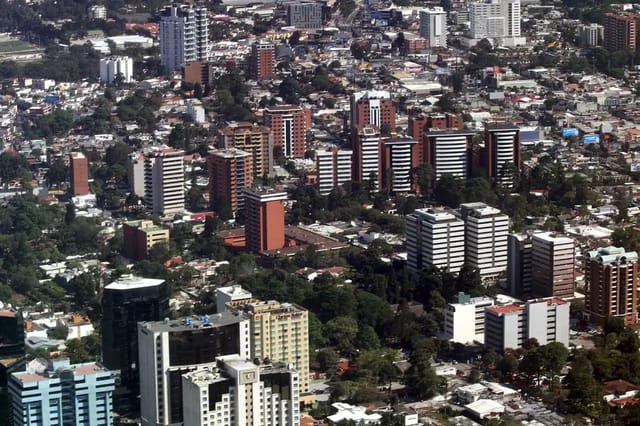
| Zona 14 (Las Américas), Guatemala City | ≈9/10 | Gated communities, private security |
| Zona 15, Guatemala City | ≈9/10 | Gated communities, private security |
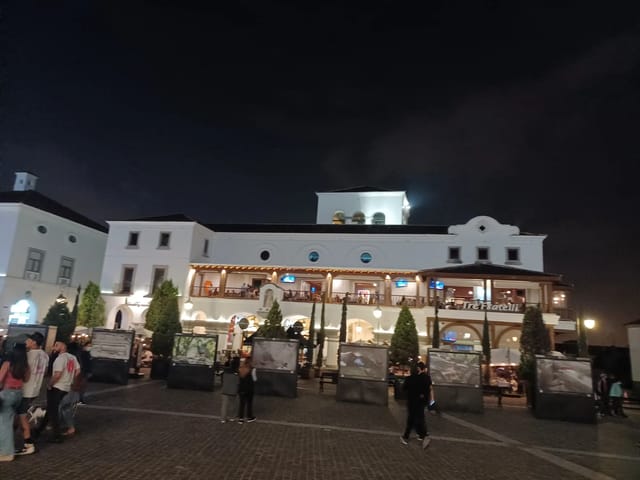
| Zona 16 / Cayalá, Guatemala City | ≈9/10 | Gated, private security |
| Zona 10 (Zona Viva), Guatemala City | 8/10 | On the safety hub’s safe-areas list |
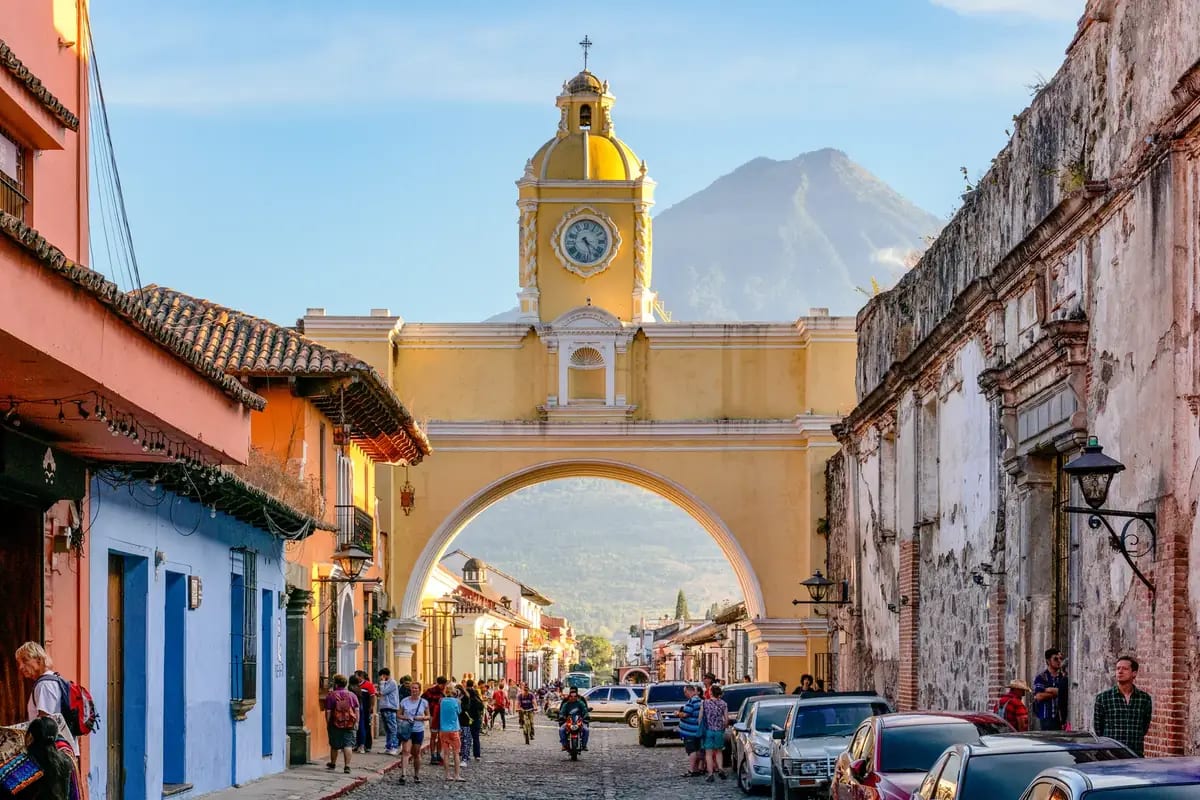
| Antigua Guatemala | ≈8/10 | Municipal homicide rate 23.8 per 100,000 (12 months to June 2026; national 16.2; Sacatepéquez 11.9, Diálogos); POLITUR (tourist police) patrols |
| Lake Atitlán towns | 7/10 | The offbeat option for families who want it |
*Scores are our safety index: INE homicide data converted to a 1–10 scale (10 = safest), reviewed quarterly. The full department-by-department table lives on the safety hub.
Within Guatemala City, the flip side is equally clear: avoid Zones 18, 3 and 6 — and the State Department adds the city of Villa Nueva (next section). In Antigua, the main risks are petty theft in crowded areas and late-night incidents involving drunk tourists — in other words, not family-hours problems.
For how these areas compare on cost, schools and lifestyle rather than safety alone, see best places to live in Guatemala.
The Level-4 list, framed for house-hunting families
This section exists for one reason: two of the four US Level 4: Do Not Travel areas are Guatemala City-metro locations that surface in cheap-housing searches. If you’re comparing rents online from abroad, Zone 18 and Villa Nueva listings will look like bargains. Rule them out.
| Area | Advisory | Note for families |
|---|---|---|
| Zone 18, Guatemala City | US Level 4: Do Not Travel | GC-metro zone that appears in cheap-housing searches — exclude it |
| Villa Nueva (city) | US Level 4: Do Not Travel | GC-metro suburb, same trap |
| San Marcos Department | US Level 4: Do Not Travel | The department — not the Lake Atitlán village of San Marcos La Laguna |
| Huehuetenango Department | US Level 4: Do Not Travel | FCDO separately advises against Santa Ana Huista, San Antonio Huista and La Democracia |
| Within 5 km of the Mexican border, Pacific coast up to and including the Gracias a Dios crossing | FCDO: all but essential travel | Border strip, not an expat-family corridor |
The State Department’s reasoning for the Level-4 areas: crime and terrorism by cartels, gangs, and criminal organizations. US government employees and their families are barred from personal travel there, and some towns lack police resources — meaning if something goes wrong, help may not come.
Schools and healthcare: the access question
Safety for families isn’t only about crime — it’s whether the infrastructure of family life exists where you’d live. It does, in the areas above, and the details live on their own pages:
- Schools in the capital: see international schools in Guatemala City for the school landscape in the Zonas 14–16 orbit.
- Schools in Antigua: see bilingual schools in Antigua.
- How families actually organize it: our British and Australian expat community guides both cover how families in Guatemala handle schooling and day-to-day logistics.
- Healthcare: start at the healthcare hub, and keep the private hospitals directory for Guatemala City bookmarked.
- Coverage during the moving window: before local arrangements are in place, see travel and nomad insurance for Guatemala.
Emergency numbers and tourist assistance
Save these before you land:
| Service | Number |
|---|---|
| Police | 110 |
| Fire / Ambulance | 122 or 123 |
| PROATUR — 24h tourist assistance, English + Spanish | +502 2290 2810, or 1500 in-country |
Emergency numbers and PROATUR per the UK FCDO’s Guatemala travel advice. The US State Department separately links ASISTUR, Guatemala’s Tourist Assistance Program. American families should also enroll in STEP (the Smart Traveler Enrollment Program) so the embassy can reach them in an emergency.
Read next
- Guatemala safety hub — scores by department and zone, crime data, live advisory level
- Is Guatemala safe for digital nomads? — the sibling question, answered for remote workers
- Best places to live in Guatemala — the full where-to-live comparison
- Zona 16 / Cayalá and Zona 14 (Las Américas) — the two most-asked-about family neighborhoods
- International schools in Guatemala City — the school-run half of the equation
Sources: US State Department Guatemala Travel Advisory (Level 3, March 12, 2026); UK FCDO Guatemala travel advice (updated June 17, 2026); site safety index (INE Guatemala + MINGOB data, updated March 2026). Verified July 2, 2026.
Frequently Asked Questions
Is Guatemala City safe for expat families?
In the right zones, yes. Guatemala City’s Zonas 14, 15 and 16 score roughly 9/10 on our safety index thanks to gated communities and private security, and Zona 10 (Zona Viva) scores 8/10. The zones to avoid are 18, 3 and 6 — and the US State Department goes further, placing Zone 18 and the city of Villa Nueva under a Level 4 Do Not Travel advisory due to crime and terrorism by cartels, gangs, and criminal organizations.
Is Antigua Guatemala safe for kids?
Antigua scores about 8/10 on our editorial safety index; by the homicide data, the Antigua Guatemala municipality’s homicide rate was 23.8 per 100,000 in the twelve months to June 2026, above the national 16.2; Sacatepéquez as a whole was 11.9 (Diálogos observatory, PNC data). POLITUR (the tourist police) patrols the town. The main risks are petty theft in crowded areas and late-night incidents involving drunk tourists — neither of which is a family-hours problem. Standard precautions apply: keep phones out of sight and don’t leave valuables in vehicles.
What is the current US travel advisory for Guatemala?
Level 3: Reconsider Travel, issued March 12, 2026, due to crime and terrorism, with the note that some areas have higher risks. Four areas carry Level 4: Do Not Travel — San Marcos Department, Huehuetenango Department, Zone 18 in Guatemala City, and the city of Villa Nueva — due to crime and terrorism by cartels, gangs, and criminal organizations. US government employees and their families are barred from personal travel to those areas.
Which areas of Guatemala should families rule out completely?
The US Level 4 Do Not Travel areas: Zone 18 in Guatemala City, the city of Villa Nueva, San Marcos Department, and Huehuetenango Department. Within Guatemala City, our safety index also says avoid Zones 3 and 6. The UK FCDO additionally advises against all but essential travel within 5 km of the Mexican border from the Pacific coast up to and including the Gracias a Dios crossing, and to the Huehuetenango towns of Santa Ana Huista, San Antonio Huista and La Democracia.
Are foreign families targets of violent crime in Guatemala?
Per the US State Department: tourists are not usually the targets of violent crime — they are targeted for petty crime and theft. Armed robbery is common especially after dark in urban areas, and thieves target electronics like smartphones, headphones and smartwatches. Nationally, Guatemala’s homicide rate was 16.2 per 100,000 at June 2026 (PNC/INE via Diálogos) — lower than several Mexican states. For families the realistic risk is opportunistic theft, managed by where you live and how you move at night.
What are the emergency numbers in Guatemala?
Police 110; Fire/Ambulance 122 or 123. PROATUR, Guatemala’s 24-hour tourist assistance service (English and Spanish), answers at +502 2290 2810 or 1500 in-country. The US State Department also links ASISTUR, Guatemala’s Tourist Assistance Program, at asistur.gt/en/.