In short: Guatemala’s top private hospitals do not publish delivery prices — you get a quote on request. The only Guatemala-sourced figure is Q15,000-Q20,000 for a natural birth, with a cesarean roughly double that (Banco Industrial’s health blog). Beyond the bill, foreign parents face two paperwork jobs: registering the birth at RENAP (free, produces the QR-coded Certificado de Nacimiento) and, for US families, claiming the baby’s citizenship via a Consular Report of Birth Abroad ($100). The good news: the RENAP certificate is exactly the document the US Embassy needs. Your baby is also Guatemalan by birth under Article 144 of the Constitution.
I’m Guatemalan, born and raised here, and this page collects what expecting foreign parents actually ask me — what a hospital birth costs, where people deliver, and how to turn a Guatemala City delivery into a properly registered, dual-citizen baby. It is general information, not medical or legal advice (see the note at the bottom), and every figure below is sourced.
Not medical or legal advice. Confirm costs directly with the hospital, and confirm citizenship specifics with the US Embassy or a Guatemalan notary (notario). Prices and rules change; the figures here are current as of 2026 and are attributed to their sources.
What a private birth actually costs
Start with the honest truth: the top private hospitals in Guatemala City do not publish maternity or delivery prices. Their maternity pages describe the rooms, the neonatal units and the amenities — and list zero prices. You call, WhatsApp or email and get a quote for your situation. That is the reality, and any site claiming a fixed “list price” for these hospitals is guessing.
The only hard, Guatemala-sourced figure comes from the health blog of Corporación BI (Banco Industrial): a natural delivery — operación de parto — runs roughly Q15,000-Q20,000, and a cesarean can roughly double it. That range is described as including medical care, hospitalization and some medication, and it rises with complications.
Everything below the GT-sourced line is anecdotal. The figures in that column come from a single expat blog and are partly dated — useful for ballpark, useless as a quote. I’ve labeled them clearly.
| Item | Figure | Source | Notes |
|---|---|---|---|
| Natural delivery | Q15,000-Q20,000 | GT-sourced (Banco Industrial health blog) | Includes care, hospitalization, some meds; rises with complications |
| Cesarean | Roughly double a natural birth | GT-sourced (Banco Industrial health blog) | No fixed published price at named hospitals |
| Obstetric ultrasound | Q220-Q600 | Prices published by clinics, read 30 Sep 2026 | CEDIGUA (Mixco) Q220, Radiology Solutions Q230, DeltaScan Q385, Hospital El Naranjo Q600 (promotional) on Chequeándome |
| Gynaecology consultation | Q345-Q350 | Prices published on Chequeándome, read 30 Sep 2026 | Hospital Social San Lázaro (zone 1) Q345; Centro Médico González Solórzano (zone 17) Q350 |
| Prenatal lab package | Q230 (Prenatal 1) / Q600 (Prenatal II) | Santa Bertilda, read 30 Sep 2026 | Prenatal 1: blood count, stool, urine, VDRL, fasting glucose, blood group and Rh; Prenatal II adds toxoplasma IgG/IgM and HIV |
| Full birth package, Guatemala City | ~$3,000-$7,000 | One expat reported (older blog) | Natural at the low end, cesarean at the high end |
| OB / prenatal consult | ~$80 per visit | One expat reported (older blog) | |
| Ultrasound | ~$50 (4D up to ~$100) | One expat reported (older blog) | |
| Birth in Antigua (Hospital Hermano Pedro) | ~$1,500 | One expat reported (older blog) | |
| Birth at Lake Atitlán | ~$2,000-$3,000 | One expat reported (older blog) |
The “GT-sourced” figures are quoted from Banco Industrial’s health blog. The “one expat reported” figures come from a single expat blog and are not authoritative — verify with any hospital before budgeting.
Where expats deliver
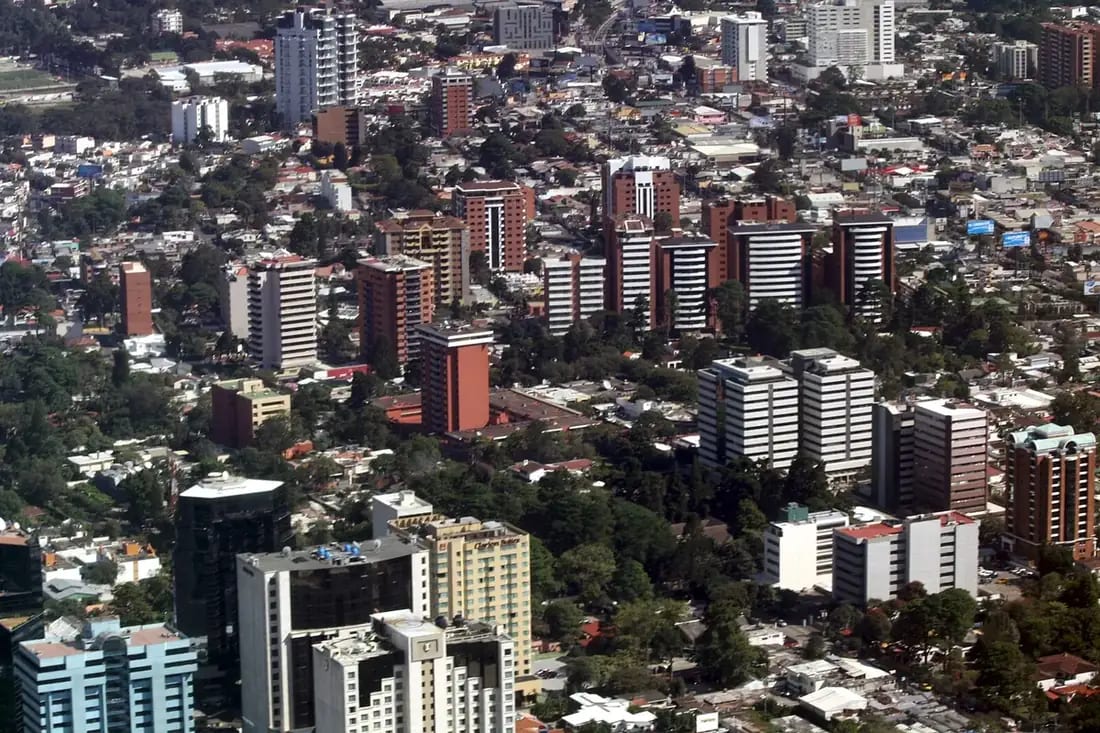
This guide focuses on the private hospitals in Zona 10 of Guatemala City. None of these publishes a price list — expect to request a quote and pay out of pocket unless you’re insured.
- Hospital Herrera Llerandi — 6a Avenida 8-71, Zona 10 (PBX 2384-5959)
- Centro Médico — 6a Avenida 3-47, Zona 10
- Hospital Universitario Esperanza — 6a Avenida 7-49, Zona 10 (2415-9000)
- Sanatorio El Pilar / Hospital Ángeles — named among the top private options used by expats
Ask when you book whether an English-speaking doctor will attend you. For the full picture on emergency rooms, contact details and how these hospitals compare, see our Guatemala City hospitals & clinics directory. If you’re based near Antigua, our Antigua healthcare guide covers the local options and when the drive into the capital is the right call.
Note on the alternatives: ask whether the private hospital requires insurance or upfront payment; IGSS (social security) covers contributing workers and their dependents; and public specialty care can be slower. Those distinctions are directional — there are no reliable published price comparisons.
The cesarean reality
Cesareans are common in Guatemala’s private system. Nationally, about 26.3% of births are by cesarean (ENSMI 2014-15 national survey) — already above the World Health Organization’s roughly 10-15% ideal — and private facilities run about double the public rate. Since a cesarean also costs more (see the table above), it’s worth discussing your birth plan and your doctor’s cesarean tendency early.
Registering the baby at RENAP
This is the step foreign parents underestimate, and it’s simpler than it sounds. RENAP (Registro Nacional de las Personas) is Guatemala’s civil registry, and foreign parents can register their baby — you identify yourselves with a valid passport (Central American parents may use their national ID instead).
The chain works like this: the hospital (a physician, nurse or comadrona) issues an “informe de nacimiento”; you take that plus your passports to RENAP; RENAP inscribes the birth and issues the Certificado de Nacimiento with a QR code. Registration is free. The baby does not need to be present. And because RENAP has run roughly 50 auxiliary offices inside hospitals (public, private and IGSS) since 2015, parents at a hospital with one of these offices can finish this without leaving the building.
Mind the timelines:
- Oportuna — within 3 business days — free
- Ordinaria — within 60 business days — free
- Extemporánea — after 60 days — a Q25 fine applies
The single most useful thing to know: the QR-coded RENAP Certificado de Nacimiento (issued within the last 6 months) is exactly the document the US Embassy requires for the CRBA below. Register at RENAP first, get that certificate, and the US paperwork gets much easier. Official RENAP reference: renap.gob.gt.
| Step | Where | Cost | Timeline |
|---|---|---|---|
| 1. Hospital “informe de nacimiento” | Hospital (physician / nurse / comadrona) | Included | At birth |
| 2. RENAP inscription → Certificado de Nacimiento (QR) | RENAP (often an office inside the hospital) | Free | Oportuna ≤3 business days; ordinaria ≤60; after 60 days = Q25 fine |
| 3. CRBA — if a parent is a US citizen | US Embassy, Guatemala City | $100 (DS-2029) | ~3 weeks from approval |
| 4. US passport for the child (optional) | US Embassy | $135 (DS-11) | With / after the CRBA |
Your baby’s citizenship
A baby born in Guatemala can end up with two nationalities — and Guatemala allows it.
| Citizenship | Basis | How you get it | Notes |
|---|---|---|---|
| Guatemalan | Jus soli — Constitution Art. 144 | Automatic, by being born on Guatemalan soil | Applies even to foreign parents; cannot be stripped. Exception: children of foreign diplomats |
| United States | Through a US-citizen parent | CRBA (Form DS-2029, $100) | The US-citizen parent must meet the physical-presence rule below |
| Dual | Both of the above | Hold both | Guatemala permits dual nationality |
Under Article 144 of the Constitution — “Son guatemaltecos de origen, los nacidos en el territorio de la República de Guatemala…” — your baby is Guatemalan by origin the moment they’re born here, regardless of your nationality. That’s automatic; the RENAP registration above is how it’s documented.
US citizenship: the CRBA, step by step
If at least one parent is a US citizen, the child likely acquired US citizenship at birth, and the Consular Report of Birth Abroad (CRBA) is how you document it. It is not a birth certificate — it’s a State Department certification that the child is already a US citizen. You must apply before the child turns 18. The authoritative source is the US Embassy Guatemala birth services page: gt.usembassy.gov/birth.
Eligibility (all four): the child was born in Guatemala; is under 18; at least one parent was a US citizen at the time of birth; and that parent meets the physical-presence rule.
Physical-presence rule: with two US-citizen parents, either parent shows prior US residence. With one US-citizen and one non-US parent, the US-citizen parent must have at least 5 years of physical presence in the US, at least 2 of them after age 14, all before the child’s birth. Bring proof of this to the interview.
Fees: the CRBA is $100 (Form DS-2029), non-refundable, paid online. An optional US passport for the child (under 16) is $135 (Form DS-11).
Documents to upload with the eCRBA:
- The child’s RENAP Certificado de Nacimiento — the Certificado, not the “Inscripción de Nacimiento” — issued within the last 6 months, with a verifiable QR code. (This is why you register at RENAP first.)
- Both parents’ photo ID, both sides.
- Marriage / divorce / death documents as applicable. (Separately, if you ever need to use a US-issued civil document inside Guatemala, our guide to apostille from the USA explains how to legalize it.)
- Physical-presence proof is brought to the interview, not uploaded.
The process: create a MyTravelGov account (with Login.gov), file the eCRBA and pay, then follow the embassy’s instructions to request an appointment (the embassy confirms the date). Attend the in-person interview — the child must be present, and ask the embassy whether both parents must attend; bring originals plus your physical-presence and relationship evidence. Processing is about 3 weeks from approval. The child’s Social Security number is handled separately through the Federal Benefits Unit at the US Embassy in San José, Costa Rica, after the CRBA and passport are issued.
If your situation is reversed — a child born in the US whom you want to register as Guatemalan — that’s a different procedure; see our guide to registering a US-born child as a Guatemalan citizen.
A note on healthcare and insurance
Because private hospitals expect insurance or upfront payment, sort out your coverage before your due date. If you’re moving to Guatemala around the birth and juggling US and Guatemalan systems, our guide to the healthcare transition from the USA to Guatemala walks through Medicare, IGSS and private options.
Bottom line
- Budget from the GT-sourced range: Q15,000-Q20,000 natural, roughly double for a cesarean — and confirm with the hospital, because the top ones only quote on request.
- Deliver where the expats do: the Zona 10 private hospitals in Guatemala City (or Hospital Hermano Pedro near Antigua).
- Register at RENAP first — it’s free and gives you the QR-coded Certificado de Nacimiento.
- That certificate unlocks the CRBA ($100) for US citizenship — apply before the child turns 18.
- Your baby is Guatemalan by birth (Art. 144) and can hold dual nationality.
Leyendo en español: Dar a luz en Guatemala siendo extranjero. This page is general information, not medical or legal advice — confirm prices with the hospital and citizenship rules with the US Embassy or a Guatemalan notario.
Frequently Asked Questions
How much does it cost to give birth in a private hospital in Guatemala?
The top private hospitals in Guatemala City do not publish maternity prices — they quote on request by phone, WhatsApp or email. The only Guatemala-sourced figure available is from Banco Industrial’s health blog: a natural delivery (operacion de parto) runs about Q15,000-Q20,000, and a cesarean can roughly double that. Those figures include care, hospitalization and some medication, and rise with complications. Separately, one expat blogger reported a full Guatemala City birth package in the $3,000-$7,000 range (natural at the low end, cesarean at the high end) — treat that as one person’s older experience, not a quoted price. Always confirm the current figure directly with the hospital.
Can foreign parents register their baby's birth in Guatemala?
Yes. Foreign parents register the birth at RENAP (Guatemala’s national registry) by identifying themselves with a valid passport; Central American parents may use their national ID. The hospital issues an ‘informe de nacimiento’, which — with the parents’ passports — lets RENAP inscribe the birth and issue the Certificado de Nacimiento with a QR code. Registration is free. The baby does not need to be present. Since 2015 RENAP runs roughly 50 auxiliary offices inside hospitals, so where the hospital has one, parents can register without leaving the building.
Is a baby born in Guatemala to foreign parents a Guatemalan citizen?
Yes. Article 144 of the Guatemalan Constitution grants nationality by birth (jus soli) to anyone born on Guatemalan soil, including children of foreign parents. That origin nationality cannot be stripped, and Guatemala permits dual nationality — so a child of US parents born in Guatemala can hold both Guatemalan citizenship (jus soli) and US citizenship (through a US-citizen parent). The one exception is children of foreign diplomats.
How does my US-citizen baby born in Guatemala get US citizenship?
Through a Consular Report of Birth Abroad (CRBA) at the US Embassy in Guatemala City. It certifies that a child born abroad acquired US citizenship at birth through a US-citizen parent; it is not a birth certificate. You must apply before the child turns 18. The fee is $100 (Form DS-2029), and an optional US passport for the child is $135 (Form DS-11). The application requires the child’s RENAP Certificado de Nacimiento (not the ‘Inscripcion’), issued within the last 6 months and carrying a verifiable QR code. Processing is about 3 weeks from approval.
What is the cesarean (C-section) rate in Guatemala?
Nationally, about 26.3% of births are by cesarean (ENSMI 2014-15 national survey) — already above the roughly 10-15% the World Health Organization considers ideal. Private facilities run roughly double the public rate, so if you deliver at a private hospital expect a cesarean to be a very real possibility. Cesareans also cost more than a natural birth.
Do I need residency to give birth or register the baby in Guatemala?
No. There is no residency requirement to deliver in Guatemala or to register the birth: RENAP registers the baby of foreign parents who identify with a passport, and the CRBA has no residency requirement for the child. Ask the private hospital whether it requires insurance or upfront payment, and plan for out-of-pocket costs unless you are insured.