The Honest Map of Australian Expats in Guatemala
Let’s start with the honest part: the Australian community in Guatemala is genuinely small. No reliable published count of Australians living in Guatemala exists anywhere. Our honest impression from the ground is dozens, not hundreds, across the whole country — and treat that as an impression, not a statistic.
That does not mean Australians are alone here. It means they live inside the broader English-speaking expat scene, which concentrates in three places:
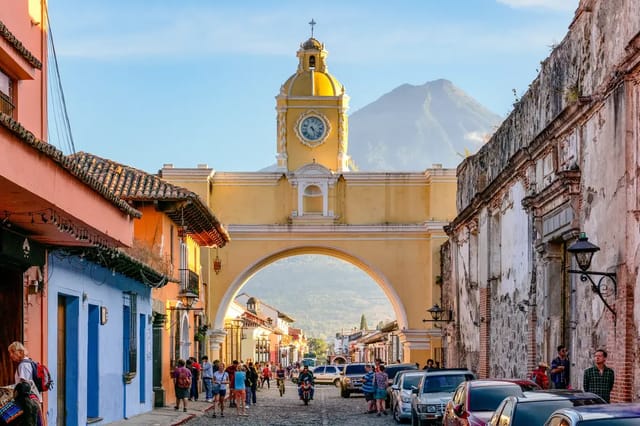
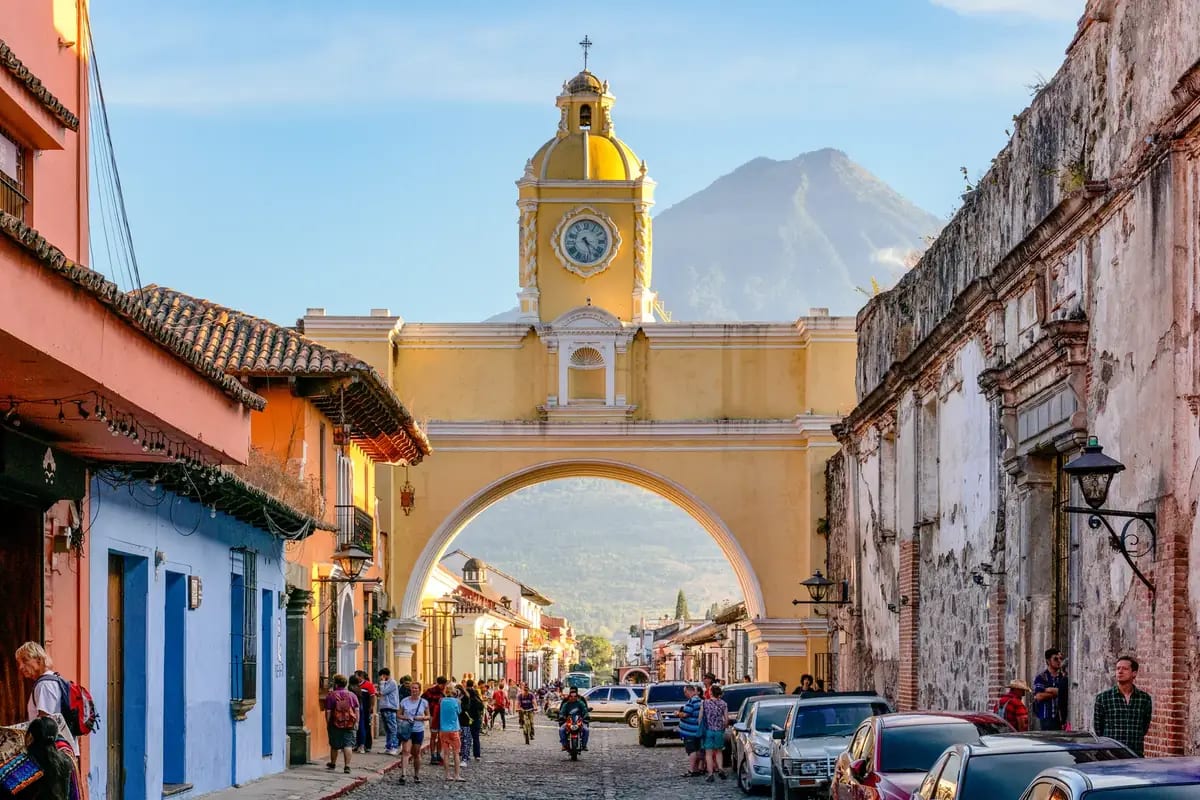
- Antigua Guatemala — the largest English-speaking community in the country, the most walkable, the most social
- Guatemala City (zones 14, 15, 10, plus Cayala) — families with school-age kids, executives, big-city amenities
- Lake Atitlan (Panajachel, San Marcos, San Pedro) — cheaper, spectacular, retiree-and-bohemian
A few individuals end up in Quetzaltenango (Xela) or in the Rio Dulce sailing crowd, but those are personal choices rather than communities.
If you’re weighing the move itself — visas, money, timing — start with the Australia-to-Guatemala hub.
Antigua Guatemala — Where Most Australians End Up
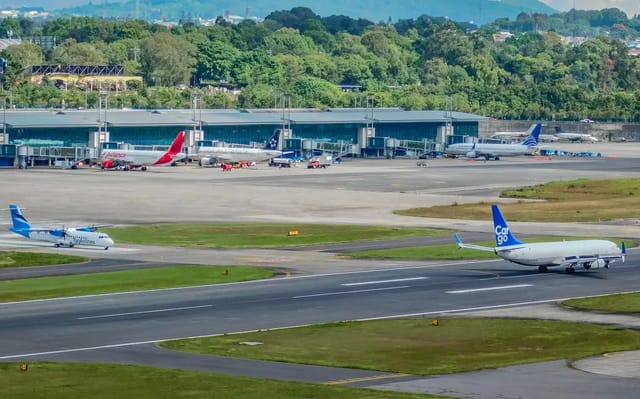
Location: 30-45 minutes by car from La Aurora International Airport (Guatemala City), depending on traffic. At 1,530m elevation, the climate is mild year-round — typically 10-25°C. No air conditioning, no heating.
Why Australians like it:
- Walkable colonial centre — no car needed
- The largest concentration of English-speakers in Guatemala, which matters when your own national group is tiny
- Spanish language schools everywhere (most Australians arrive with none)
- Mature expat services — clinics, English-speaking lawyers, accountants
- 30 minutes to the airport for the long haul home
- The dry season (November-April) lines up with the Australian summer — family visiting over Christmas gets Guatemala at its best
The social anchors (the honest list — there are no Australian-owned venues we can document):
- Reilly’s Irish Pub (Calle del Arco area) — the regular British/Irish/Australian hangout
- The Snug — smaller pub-style venue
- Cafe No Se — bohemian bar scene, mixed expat crowd
That’s where you’ll find the other Australians. There is no Australian club, no documented Aussie Facebook group, no meat-pie shop. You walk into Reilly’s, you hear the accent, you’ve found the community.
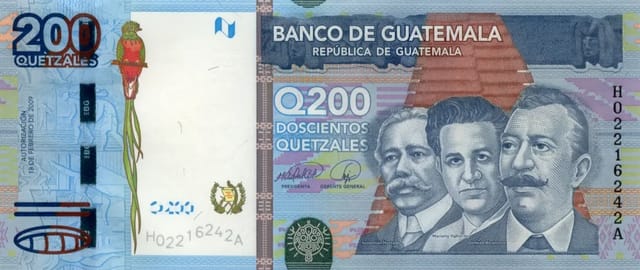
Cost: keep expectations qualitative — Antigua’s centro costs roughly double what Panajachel does for equivalent housing. Run your own numbers with the AUD to GTQ exchange rate page.
Younger and on a budget? Antigua is also the natural base for the backpacker route — see Antigua for Australian backpackers.
Guatemala City — Zones 14, 15, 10 and Cayala
The capital is where Australians with school-age children or corporate postings land, because the international schools and the jobs are here.
- Zone 14 / Cayala — the modern expat hub; Cayala is a walkable planned district with shops, restaurants and schools close together, unusual in a country where most cities sprawl
- Zone 15 — quieter residential zone near several international schools; the family-house-with-garden option
- Zone 10 — the diplomatic and hotel district; more transient than residential
For Australians specifically, Guatemala City has one extra pull: the Honorary Consulate is here (see the consular section below — and temper your expectations of it).
Lake Atitlan — Panajachel, San Marcos, San Pedro
About 3 hours by car west of Guatemala City, the lake holds the retiree, remote-worker and wellness end of the expat population:
- Panajachel — the main town, long-established expat presence, sometimes called “Gringotenango”
- San Marcos La Laguna — the bohemian end: yoga, retreats, wellness scene
- San Pedro La Laguna — younger, backpacker-oriented, Spanish schools
Australian infrastructure at the lake: none. Australians here are the kind who don’t want infrastructure — they want the volcano views and the lower costs (Antigua centro runs roughly double Panajachel).
Quetzaltenango (Xela) — The Authentic Option
Guatemala’s second city, in the western highlands at 2,330m and cool year-round. A minority choice for any nationality: authentic Guatemalan city life, a big Spanish-school industry, very few foreigners. An Australian who picks Xela is picking Spanish immersion over community — a legitimate trade, but know that’s the trade.
Other Locations
- Rio Dulce (Caribbean side): the sailing crowd. A boat is the entry ticket, not a passport.
- Everywhere else: individual Australians exist in scattered towns, but there is no community to describe honestly.
The Tyranny of Distance: Flights, Time Zones and Why Community Matters More
This is the section that separates the Australian experience from the British or American one.
The flight economics
There are no direct flights between Australia and Guatemala. The standard routing is 25-30 hours total: Qantas, United or American across the Pacific to Los Angeles, San Francisco or Dallas, then the final leg to Guatemala City (~4.5 hours on Avianca from LAX; times vary from SFO/DFW) — or the alternative via Mexico City on Aeromexico. From Perth it stretches to 32-38 hours. Economy returns typically run AU$2,000-3,500.
Two transit traps: routing via Canada requires an eTA, and most US routings require an ESTA — sort both before booking. Full routing detail is on visiting Guatemala from Australia, and if you’re timing the trip, see the best time for Australians to visit.
The consequence is behavioural: an American expat can be home in a day; an Australian cannot. Trips home get planned months out and happen rarely. That makes the on-the-ground community — Reilly’s, the language-school crowd, your neighbours — structurally more important for Australians than for any other anglophone group here.
The 16-17-hour time flip
Guatemala is UTC-6 with no daylight saving. Sydney and Melbourne sit 16-17 hours ahead (16 in the Australian winter, 17 during AEDT); Perth is 14 hours ahead.
What that means day to day:
- Guatemala’s morning is Australia’s very early tomorrow morning — dead air for calls
- Calls home work best Guatemala evening ↔ Australia mid-morning, next day (6pm in Antigua is around 10am the following day in Sydney, 8am in Perth)
- Keeping an Australian employer or clients? Sydney business hours land at roughly late afternoon to around midnight Guatemala time. Some remote workers love it — mornings free for volcanoes, work after dark. Others burn out on it. Decide which you are before you commit.
And one genuine perk: Guatemala’s dry season (November-April) is the Australian summer — the “escape your winter” trip runs in reverse for visiting family.
Schools for Australian Children
The honest gap first: there is no Australian-curriculum school in Guatemala. No HSC, no VCE, no Australian system at all. Australian families choose between:
- Colegio Maya (Guatemala City) — American curriculum + International Baccalaureate; the IB is the nearest fit for families who want a portable, internationally recognised credential
- American School of Guatemala — full American curriculum
- Colegio Britanico-Guatemalteco — English National Curriculum with IGCSE and A-Levels
- Colegio Aleman and Colegio Suizo Americano — German and Swiss/American curricula
In Antigua, options are international primary only — Antigua International School and Escuela Caracol — so families with secondary-age kids either commute to Guatemala City schools or run online schooling.
Consular Services: The Reality for Australians
This is the single most important practical difference from the British and American experience, so read it carefully:
- There is no Australian embassy in Guatemala.
- Australia maintains an Honorary Consulate in Guatemala City — limited assistance: it can conduct passport interviews and provide provisional travel documents. Direct contact: (+502) 4210 9805, consuladoaustralia.guate@gmail.com.
- Full consular assistance comes from the Australian Embassy in Mexico City — mexico.embassy.gov.au. That includes full passport services.
- 24-hour emergencies from anywhere: DFAT Consular Emergency Centre, +61 2 6261 3305. Save it offline before you fly.
Travelling with kids: children entering Guatemala without both parents need notarised written consent from both parents, in Spanish, approved by the Guatemalan mission closest to home. On the Australian side, Guatemala’s embassy is in Canberra, with honorary consuls in Sydney and Melbourne.
Entry itself is easy: Australians get 90 days visa-free on arrival (Guatemala’s Categoria A list) with a stamp at the airport. Extensions, the CA-4 border rules and passport-validity details are on the Australian passport & visa guide.
Two related admin rabbit holes worth reading before you move rather than after: Australian superannuation while living in Guatemala and Australian tax residency when you leave. Bringing the dog? Pet relocation from Australia is its own project.
Safety: Smartraveller vs the Ground
Smartraveller’s current advice (verified 1 July 2026): “Exercise a high degree of caution” in Guatemala overall due to the threat of violent crime, with higher advice levels in some areas, and a note that the Guatemalan Government has declared a state of prevention due to organised crime and gang activity.
The on-the-ground picture is more granular than a country-level banner. The places Australians actually live — Antigua, Guatemala City zones 10/14/15 and Cayala, the main Lake Atitlan towns, central Xela — are a different risk environment from the areas driving the advisory. The sensible read: take the advisory seriously as a map of where not to be casual, then look at the department-level data on our safety hub to see the difference between the expat zones and the hotspots.
Basics that apply to everyone: don’t display valuables, use registered taxis or Uber at night, and keep the DFAT Consular Emergency Centre number (+61 2 6261 3305) saved offline.
How the Australian Scene Compares to the British and American Ones
- Americans dominate the expat scene — they outnumber the British by perhaps 10 to 1, with more flights, more infrastructure, more of everything.
- The British are a smaller but distinct group with some informal structure of their own — see the British expat communities guide for that picture.
- Australians are smaller again. No formal Australian association. No Australian grocer. No Australian-specific infrastructure of any kind.
Three practical implications:
- There is no Aussie bubble to hide in — which most Australians who choose Guatemala consider the point. Your friend group will be Guatemalan, American, British, European, with the odd fellow Australian.
- The few Australians here find each other fast. A small group in a small scene means one conversation at Reilly’s connects you to most of the rest.
- The community substitutes for proximity to home. With a 25-30-hour, AU$2,000-3,500 trip between you and family, the people around you carry more weight than they would in Bali or Bangkok. Pick your town partly for its people, not just its views.
Cross-Links
- Visiting Guatemala from Australia — the hub
- Australian Passport & Visa Rules for Guatemala
- Australian Superannuation in Guatemala
- Australian Tax Residency When Moving to Guatemala
- Pet Relocation: Australia to Guatemala
- Antigua for Australian Backpackers
- AUD to GTQ Exchange Rate
- Best Time for Australians to Visit Guatemala
- British Expat Communities in Guatemala
- Guatemala Safety Data Hub
Sources
- Smartraveller (DFAT) — Guatemala travel advice, smartraveller.gov.au (verified 1 July 2026)
- Australian Embassy Mexico City — mexico.embassy.gov.au (consular coverage for Guatemala). That site returned a server error to every machine request on 2026-09-01, so it is named here rather than linked.
- Living in Guatemala on-site canonical guides: Australian passport & visa, visiting from Australia, British expat communities
This page provides general guidance for Australians living in or moving to Guatemala. Communities, consular arrangements and safety conditions evolve — confirm current information with Smartraveller, the Australian Embassy in Mexico City, and residents on the ground before relying on this guidance.
Frequently Asked Questions
Where do most Australian expats live in Guatemala?
The same three clusters as every other English-speaking group. (1) Antigua Guatemala — the largest English-speaking community in the country, 30-45 minutes from La Aurora airport depending on traffic, mild mountain climate at 1,530m. (2) Guatemala City — zones 14, 15 and 10 plus Cayala — for families with kids in international schools and working professionals. (3) Lake Atitlan — Panajachel, San Marcos La Laguna, San Pedro La Laguna — for retirees, remote workers and the wellness crowd. There is no separate ‘Australian quarter’ anywhere; Australians plug into the broader English-speaking expat scene.
Is there an Australian embassy in Guatemala?
No. Australia has an Honorary Consulate in Guatemala City that provides limited assistance — it can conduct passport interviews and provide provisional travel documents. Direct contact: (+502) 4210 9805, consuladoaustralia.guate@gmail.com. Full consular assistance for Australians in Guatemala comes from the Australian Embassy in Mexico City (mexico.embassy.gov.au). For emergencies at any hour, DFAT’s 24-hour Consular Emergency Centre is +61 2 6261 3305.
Are there schools for Australian children in Guatemala?
There is no Australian-curriculum school anywhere in Guatemala. The nearest fit is the International Baccalaureate at Colegio Maya in Guatemala City (American curriculum + IB). Other options: American School of Guatemala (American), Colegio Britanico-Guatemalteco (English National Curriculum, IGCSE and A-Levels), Colegio Aleman (German) and Colegio Suizo Americano (Swiss/American). Antigua has international primary options only — Antigua International School and Escuela Caracol — so secondary-age kids commute to Guatemala City or study online.
Are there Australian pubs or sport in Guatemala?
No Australian-specific venues exist. In Antigua, Reilly’s Irish Pub (Calle del Arco area) is the documented regular British/Irish/Australian hangout, with The Snug and Cafe No Se as the other bar anchors. For sport, the country club has an intermittent cricket scene — mostly Brits, Australians and South Asians, with activity depending on who’s currently in country. There are no documented AFL, NRL or cricket clubs beyond that, and no regular ANZAC-style events that we can verify.
Is Guatemala safe for Australians?
Smartraveller (DFAT) advises Australians to exercise a high degree of caution in Guatemala overall due to the threat of violent crime, with higher advice levels in some areas, and notes a government-declared state of prevention linked to organised crime and gang activity. On the ground, the places Australians actually live — Antigua, Guatemala City zones 10/14/15 and Cayala, the main Lake Atitlan towns — are a very different risk picture from the areas driving that advisory. Read the advisory, then look at where expats actually settle.
What is the time difference between Guatemala and Australia?
Guatemala is UTC-6 with no daylight saving. Sydney and Melbourne are 16-17 hours ahead of Guatemala (16 in the Australian winter, 17 during AEDT). Perth is 14 hours ahead. Practically: Guatemala’s morning is Australia’s very early tomorrow morning, so calls home work best Guatemala evening to Australia mid-morning the next day.
How does the Australian expat scene compare to the British and American ones?
Americans outnumber the British by perhaps 10 to 1, and they dominate the wider expat scene. The British are a smaller but distinct group, and Australians are smaller again — no formal Australian association, no Australian grocer, no Australian-specific infrastructure at all. In practice that means Australians integrate into the mixed English-speaking community rather than an Aussie bubble, and the few Australians around tend to know each other quickly.
How often can Australians in Guatemala realistically fly home?
There are no direct flights. The trip runs 25-30 hours total via Los Angeles, San Francisco or Dallas (Qantas/United/American across the Pacific; from LAX the Avianca leg to Guatemala City is about 4.5 hours, with times varying from SFO/DFW) or via Mexico City on Aeromexico — from Perth it stretches to 32-38 hours. Economy returns typically cost AU$2,000-3,500. The practical effect: trips home are rare and planned well ahead, which is exactly why the community on the ground matters more for Australians than for Americans who can be home in a day.