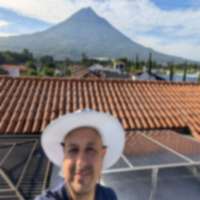
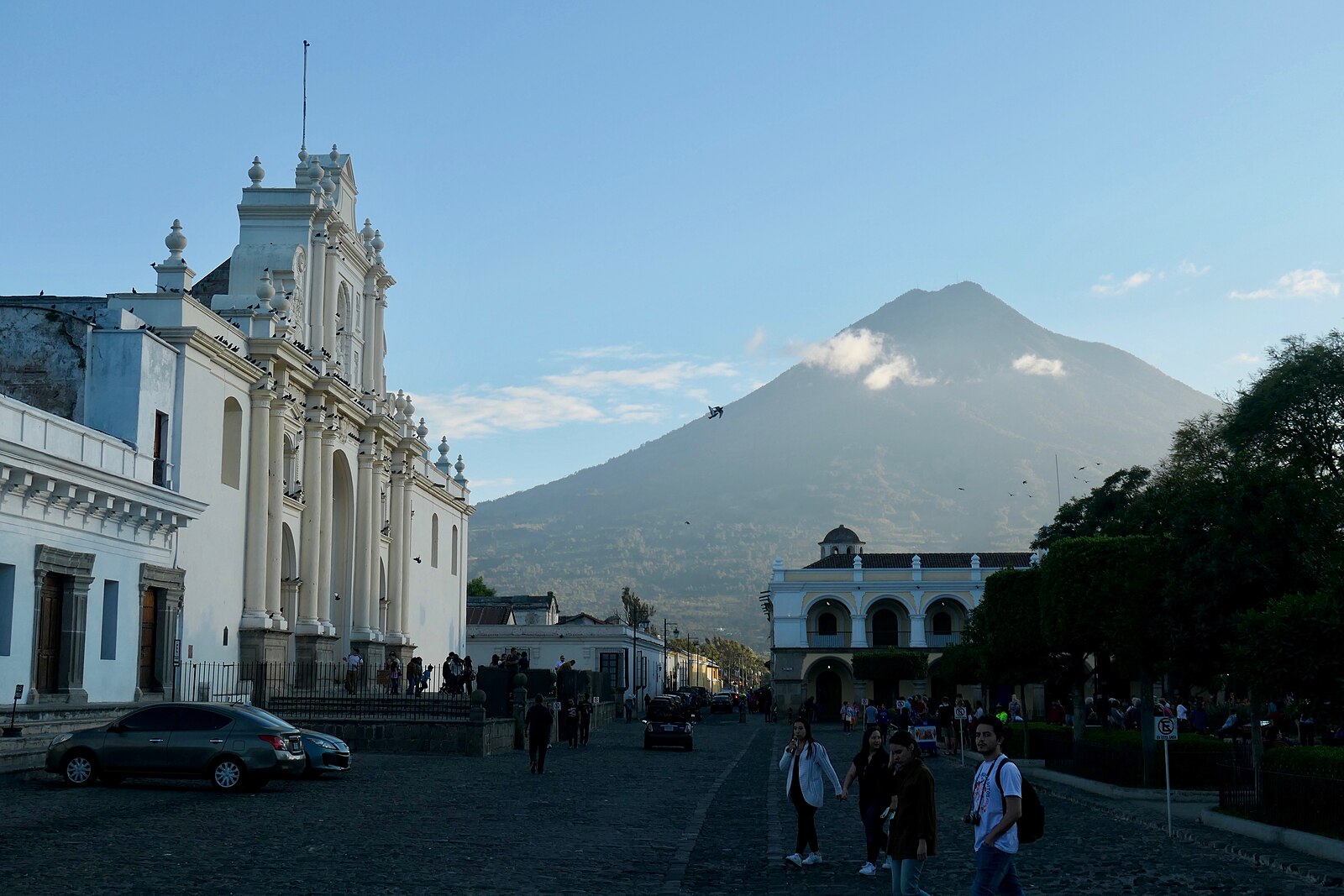
Guatemala is safe for tourists in popular destinations like Antigua (8/10 safety score), Lake Atitlan (7/10), and Flores/Tikal (7/10). Guatemala City requires more caution – safety varies from 9/10 in Zones 14-16 to 2/10 in Zone 18. The country’s homicide rate has dropped over 50% since 2009, from 46.5 to approximately 22 per 100,000. Petty theft – particularly phone snatching in markets and bus terminals – is the primary risk for visitors, not violent crime.
I grew up in Guatemala. I have walked these streets my entire life. I have also had my phone snatched, been warned away from certain areas after dark, and watched the security situation genuinely improve over two decades. This guide uses real homicide data from INE Guatemala, department-level safety scores from our database of all 22 departments and 337 municipalities, and practical advice rooted in a lifetime of living here.
No sugarcoating. No fear-mongering. Just data and context from someone who actually knows the country.
Guatemala Safety at a Glance
Before diving into department-level analysis, here is a quick snapshot of the places most visitors actually go. These scores come from our interactive safety map, which draws on INE (Instituto Nacional de Estadistica) crime data, MINGOB reports, and on-the-ground assessment.
| Destination | Safety Score | Homicide Rate (per 100K) | Best For | Main Risk |
|---|---|---|---|---|
| Antigua Guatemala | 8/10 | ~10 | First-time visitors, families, couples | Pickpocketing in markets |
| Lake Atitlan (Panajachel, San Juan, San Marcos) | 7/10 | ~7 | Digital nomads, solo travelers, retreats | Isolated paths after dark |
| Flores / Tikal | 7/10 | ~18 (Peten dept.) | Adventure travelers, archaeology | Remote roads outside tourist corridor |
| Quetzaltenango (Xela) | 7/10 | ~8 | Language students, long-term travelers | Petty theft in market area |
| Coban / Semuc Champey | 8/10 | ~5 (Alta Verapaz) | Ecotourism, adventure | Mountain road conditions |
| Guatemala City – Z10, Z14, Z16 | 8-9/10 | ~31 (dept. avg.) | Business, nightlife, transit | Zone-dependent; stay in safe zones |
| Guatemala City – Z1 Centro | 6/10 | – | Day trips to historic sites | Phone snatching, no nighttime walking |
| Guatemala City – Z18 | 2/10 | – | No tourist reason to visit | Gang activity, avoid entirely |
The pattern is clear: tourist-oriented destinations with established infrastructure are genuinely safe. Problems concentrate in specific urban neighborhoods, eastern border departments, and drug trafficking corridors – places tourists have no reason to visit.
Safety by Department: All 22 Ranked
Guatemala has 22 departments (similar to states or provinces). Safety varies enormously between them. The table below uses data from our database, which scores each department on a 1-10 safety scale based on official homicide statistics from INE and MINGOB, adjusted for tourist relevance.
| Rank | Department | Safety Score | Homicide Rate (per 100K) | Population | Tourist Relevance | Notes |
|---|---|---|---|---|---|---|
| 1 | Totonicapan | 9/10 | 2 | 507,905 | Low | Safest by homicide rate; strong indigenous governance |
| 2 | Quiche | 9/10 | 3 | 1,119,425 | Moderate | Indigenous heartland, Chichicastenango market |
| 3 | Alta Verapaz | 8/10 | 5 | 1,407,025 | Moderate | Coban, Semuc Champey, ecotourism |
| 4 | Huehuetenango | 8/10 | 5 | 1,454,019 | Low | Highland communities, Todos Santos, Nebaj nearby |
| 5 | Baja Verapaz | 8/10 | 5 | 344,655 | Low | Biotopo del Quetzal, quiet and rural |
| 6 | Solola | 7/10 | 7 | 487,906 | High | Lake Atitlan – major expat and tourist hub |
| 7 | Quetzaltenango | 7/10 | 8 | 936,385 | High | Second city, Spanish schools, growing expat scene |
| 8 | San Marcos | 7/10 | 9 | 1,222,951 | Low | Interior is safe; border area has trafficking concerns |
| 9 | Suchitepequez | 7/10 | 7 | 626,419 | Low | Pacific piedmont, agricultural heartland |
| 10 | Sacatepequez | 6/10 | 10 | 408,476 | High | Antigua Guatemala – most popular expat destination |
| 11 | Chimaltenango | 6/10 | 10 | 771,887 | Moderate | Gateway to the western highlands |
| 12 | El Progreso | 6/10 | 12 | 196,917 | Low | Small, relatively quiet, off-tourist-trail |
| 13 | Peten | 5/10 | 18 | 640,918 | High | Tikal, Flores; remote areas carry risk |
| 14 | Retalhuleu | 5/10 | 13 | 386,783 | Low | IRTRA theme parks, Pacific coast access |
| 15 | Guatemala | 4/10 | 31 | 3,639,725 | High | Capital; varies hugely by zone (2/10 to 9/10) |
| 16 | Jutiapa | 4/10 | 20 | 563,684 | Low | El Salvador border, limited tourism |
| 17 | Izabal | 3/10 | 35 | 458,107 | Moderate | Rio Dulce, Livingston; drug transit corridor |
| 18 | Jalapa | 3/10 | 25 | 413,918 | Low | Eastern Guatemala, off tourist trail |
| 19 | Chiquimula | 3/10 | 34 | 459,294 | Low | Esquipulas pilgrimage site; otherwise limited |
| 20 | Santa Rosa | 3/10 | 26 | 456,928 | Low | Southeast, minimal tourism infrastructure |
| 21 | Escuintla | 2/10 | 38 | 823,684 | Low | Pacific lowlands, one of the most dangerous departments |
| 22 | Zacapa | 2/10 | 40 | 275,913 | Low | Eastern hot zone, narco-trafficking routes |
Geographic Pattern
A clear safety map emerges from this data. The western highlands are the safest region in Guatemala. Departments like Totonicapan, Quiche, Huehuetenango, and Alta Verapaz all score 8-9 out of 10. These areas benefit from strong indigenous community governance (particularly the K’iche’ and Kaqchikel systems of self-regulation), tight social bonds, and minimal gang presence.
The most dangerous areas cluster in the east and along trafficking corridors: Zacapa (40 per 100K), Escuintla (38 per 100K), Izabal (35 per 100K), and Chiquimula (34 per 100K). These departments sit on drug transit routes running from South America through Central America toward Mexico and the United States. The violence is overwhelmingly targeted – gang-on-gang and trafficking-related – not random.
For most visitors, three regions dominate the itinerary: Guatemala City, Antigua/Sacatepequez, and Lake Atitlan/Solola. Two of the three score well. Guatemala City demands a zone-by-zone approach, which is exactly what we cover next.
Explore these scores visually on our interactive safety map – select “Safety” from the color-by dropdown to see all 22 departments and 337 municipalities at a glance.
Safest Cities for Tourists
Antigua Guatemala (Safety: 8/10)
Antigua is the safest city in Guatemala for tourists. Period. The colonial UNESCO World Heritage streets are well-lit, patrolled by regular police and dedicated tourist police (POLITUR) from 6 AM to midnight, and monitored by security cameras installed throughout the city center in recent years.
What makes it safe:
- POLITUR officers walk the main streets and speak some English
- Security cameras on key intersections (installed 2022-2024)
- Active tourism economy means thousands of eyes on the street
- Compact, walkable center – you rarely need to venture into outer neighborhoods
- Volcano hikes now require licensed guides, reducing trail robbery incidents
Realistic risks:
- Pickpocketing in the Mercado Municipal and during crowded Semana Santa processions
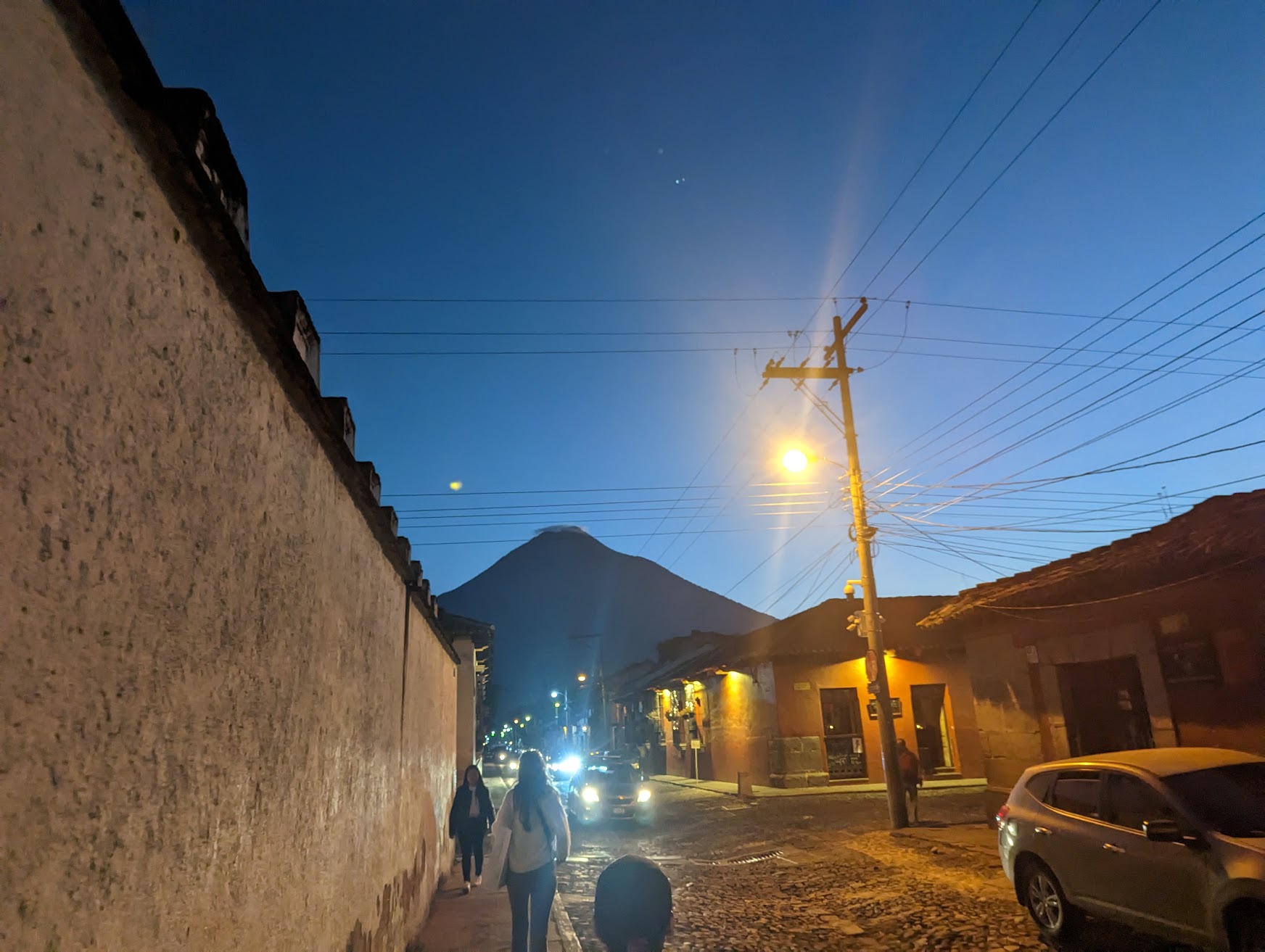
- Phone snatching on side streets, especially after dark
- Nightlife-related incidents: drunk tourists are easy targets leaving bars on 5a Avenida
- Cobblestones – the biggest actual danger. Wear proper shoes.
Sacatepequez department scores 6/10 overall because of some rural municipalities outside Antigua. Antigua itself operates at 8/10 safety. I would let my family walk the central streets without hesitation. For late nights, stick to main streets (5a Avenida, 4a Calle, the blocks around Parque Central) and Uber back to your hotel.
Planning a visit during Semana Santa? Over 300,000 visitors flood Antigua during Holy Week. Procession routes are well-policed and safe, but massive crowds attract pickpockets. Keep phones in front pockets and bags zipped.
Lake Atitlan Towns (Safety: 7/10)
Lake Atitlan is the second most popular destination, particularly for digital nomads and the wellness retreat community. Thousands of foreigners live here permanently. The lakeside towns each have their own character and safety profile:
- Panajachel (“Pana”): Most developed and touristy. Calle Santander is safe and busy. Side streets are fine during the day. At night, stick to lit areas.
- San Juan La Laguna: The artisan town. Extremely safe and welcoming. Indigenous governance keeps things calm. Best town for families.
- San Marcos La Laguna: The yoga and meditation town. Very quiet, very safe. The path between San Marcos and Tzununa has had occasional incidents – do not walk it alone after dark.
- San Pedro La Laguna: Backpacker central. Generally safe but the party scene brings petty crime. Most incidents involve drunk tourists being easy targets.
- Santa Cruz La Laguna: Small, quiet, safe. Accessible mainly by boat.
Lake-specific risks: Afternoon winds (the Xocomil) can make boat crossings rough – avoid overloaded lanchas in choppy conditions. The lake is at 1,562 meters altitude and colder than expected; drownings occur every year, mostly locals but occasionally tourists.
For more on the area, see our Lake Atitlan towns guide.
Flores and Tikal (Safety: 7/10)
The island town of Flores is safe, compact, and well-managed with a heavy tourist police presence. The Tikal archaeological site has controlled entry and park rangers. The road between Flores and Tikal is well-patrolled during operating hours.
Peten department as a whole scores 5/10 because of remote areas with illegal logging, land disputes, and narco-trafficking near the Mexican border. None of this affects the Flores-Tikal tourist corridor. The domestic flight from Guatemala City (TAG Airlines, ~1 hour) is the recommended alternative to the 8-10 hour drive.
Coban and Alta Verapaz (Safety: 8/10)
Gateway to Semuc Champey, one of Guatemala’s most stunning natural attractions. Alta Verapaz is one of the safest departments with a homicide rate of just 5 per 100,000. The main risks are related to road conditions (steep, winding mountain roads) rather than crime. Travel during daylight and consider a 4x4 vehicle for the final stretch to Semuc Champey.
Quetzaltenango / Xela (Safety: 7/10)
Guatemala’s second city is a popular base for Spanish language schools and volunteer programs. The city center is safe for walking day and night. The market area (Mercado La Democracia) gets crowded – watch for pickpockets. The surrounding highlands, including hot springs at Fuentes Georginas, are safe and spectacular.
Safest Areas in Guatemala City
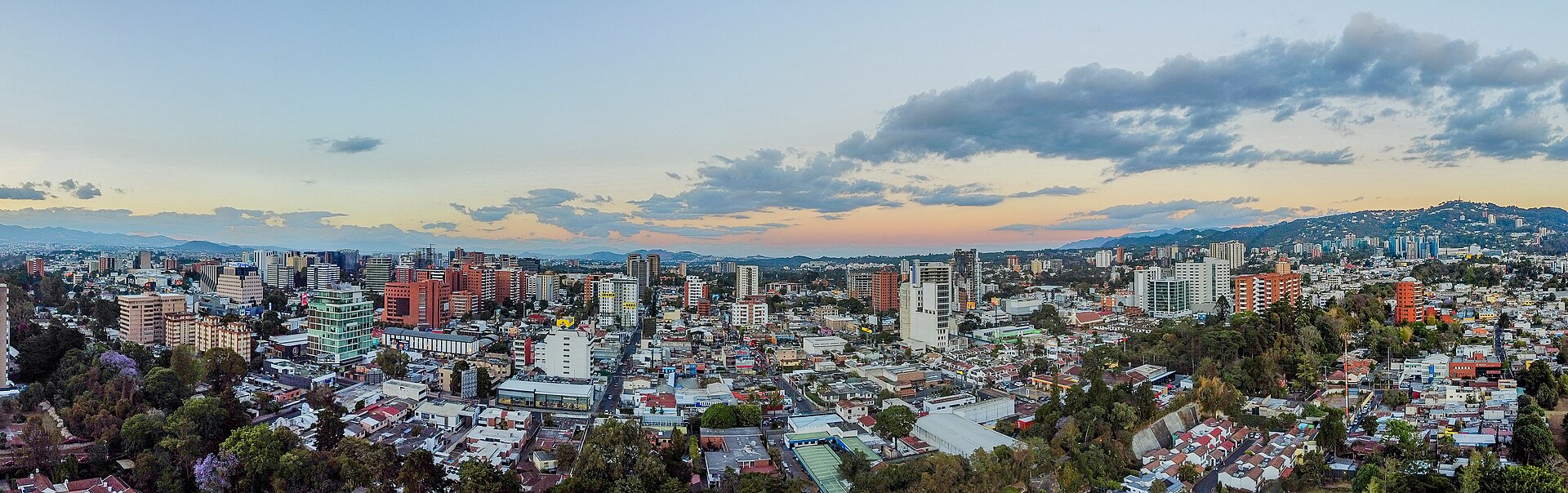
Guatemala City is the most misunderstood place in the country from a safety perspective. It has over 20 distinct zones, and the difference between them is staggering. Living in Zona 14 versus Zona 18 is like living in two entirely different cities.
Zona 16 / Cayala (Safety: 9/10)
The newest and arguably safest zone. Cayala is a planned mixed-use development with 24/7 private security, walkable streets, restaurants, shops, and a town center that feels European. If safety is your absolute top priority, this is the place. Cost: ~$1,300/month for a furnished 1-bedroom.
Zona 14 – Las Americas (Safety: 9/10)
The gold standard for residential safety. Tree-lined boulevards, gated communities, embassy residences, and private schools. Families walk their dogs in the evening. Joggers at 6 AM. This is where I would raise a family in the capital. Cost: ~$1,100/month for a furnished 1-bedroom.
Zona 15 – Vista Hermosa (Safety: 9/10)
Similar to Zona 14 but slightly more affordable. Gated neighborhoods, safe, quiet, and pleasantly boring. You need a car – walkability is limited. Cost: ~$1,000/month.
Zona 10 – Zona Viva (Safety: 8/10)
The nightlife and dining hub. International restaurants, rooftop bars, embassies, and the highest concentration of foreigners in the country. Heavy police presence on weekends. Most short-term visitors start here. Some petty theft on the fringes late at night. Cost: ~$950/month. See our Zona 10 neighborhood guide.
Zones to Avoid
Zona 18 (2/10): The most dangerous zone. Around 200,000 people, highest gang concentration. No tourist reason to visit. I grew up in this country and I avoid it.
Zona 3, Zona 6 (3/10): Gang activity, no tourist infrastructure. Stay away.
Zona 21 (3/10): Large housing projects, elevated crime. Not an expat or tourist destination.
Zona 12 (3/10): Home to the national university (USAC), but surrounding areas have significant crime issues.
The general rule: Everything west and south of the central corridor (Z9, Z10, Z13, Z14, Z15, Z16) is safe. The further north and east you go (Z6, Z12, Z17, Z18, Z21), the higher the risk. For the complete zone-by-zone breakdown, see our Guatemala City zones guide.
Common Safety Concerns
Petty Theft: The Real Everyday Risk
Petty crime – not violent crime – is the actual risk most visitors face. Phone snatching is the number one crime against foreigners. It happens on streets, in markets, and at bus terminals. The pattern is consistent: someone on a motorcycle or on foot grabs a phone from a distracted pedestrian and disappears.
How to avoid it:
- Keep your phone in your pocket, not your hand, when walking
- Check maps inside a store or restaurant, not on the sidewalk
- Carry bags on the building side, not the street side (prevents motorcycle grab-and-ride theft)
- In markets (Chichicastenango, Mercado Central), use a money belt or front pocket for valuables
- Do not wear visible jewelry, Apple Watches, or expensive headphones on the street
Bus Safety
Tourist shuttles between major destinations (Antigua to Panajachel, Antigua to Xela) are safe, air-conditioned, and door-to-door. Companies like Atitrans, GuateGo, and Adrenalina Tours are reliable. Book through your hotel.
Chicken buses (retired US school buses) are safe during daytime on popular routes. Keep bags in your lap with straps around your body. Avoid them at night and on remote rural routes. They are an authentic Guatemalan experience – just be aware.
City buses in Guatemala City (Transmetro BRT system) are safe during normal hours. Avoid rush hour crowding where pickpocketing is more common. Regular red buses outside the Transmetro system are less secure.
For the full picture, see our transportation guide.
Driving Safety
Driving in Guatemala requires confidence and awareness. Key rules:
- Never drive at night on rural highways. Unlit roads, animals, potholes, and occasional road hazards make night driving risky.
- Lock doors and keep windows up at stoplights in Guatemala City, especially on the Periferico and Calzada Roosevelt.
- The Pan-American Highway (CA-1) and main intercity routes are generally fine during daylight.
- Mountain roads to places like Semuc Champey and Nebaj are steep, winding, and sometimes unpaved. A 4x4 is recommended.
- Consider hiring a driver or using shuttles for intercity travel if you are not comfortable with aggressive driving styles.
ATM and Money Safety
- Use ATMs inside banks or shopping malls, never standalone street ATMs
- Make large withdrawals during banking hours with a guard nearby
- Carry small bills (Q20-50); large bills (Q200) are hard to break in small towns
- Use Uber for transport, which removes the need to carry cash for taxis
- Consider a no-foreign-transaction-fee debit card to minimize ATM visits
- Check our exchange rates page for the best conversion rates and our remittance comparison for transfer fees
Natural Disasters
Guatemala sits on the Ring of Fire and experiences regular seismic and volcanic activity.
- Earthquakes: Common but usually minor. Our earthquake tracker shows real-time USGS data for the region. Know your building’s exit routes and the “triangle of life” protocol.
- Volcanoes: Guatemala has 37 volcanoes, 3 currently active (Fuego, Pacaya, Santiaguito). Fuego erupts regularly – the 2018 eruption killed over 200 people. Check CONRED (1566) and INSIVUMEH for current alerts before hiking volcanoes.
- Hurricanes and flooding: The Caribbean coast (Izabal) and Pacific lowlands are vulnerable during hurricane season (June-November). Flash flooding affects mountain areas during heavy rains.
- CONRED (Coordinadora Nacional para la Reduccion de Desastres) is Guatemala’s disaster coordination agency. Their emergency number is 1566. They are well-organized and responsive.
Guatemala Crime Statistics 2026
Here are the real numbers, with context. All data from INE Guatemala, UNODC, and the World Bank unless otherwise noted.
Homicide Rate Trend
| Year | Homicide Rate (per 100K) | Absolute Homicides | Context |
|---|---|---|---|
| 2009 | 46.5 | ~6,498 | Peak violence, height of narco-war era |
| 2012 | 34.0 | ~5,155 | Initial decline begins |
| 2015 | 29.5 | ~4,778 | Continued improvement under CICIG |
| 2018 | 22.4 | ~3,881 | Significant drop, private security expansion |
| 2020 | 15.3 | ~2,574 | COVID lockdowns suppressed crime |
| 2021 | 16.2 | ~2,862 | Post-COVID slight rebound |
| 2023 | 17.0 | ~3,034 | Stabilization at lower level |
| 2025 | ~22 | ~3,800 (est.) | Current estimate; some data lag exists |
Sources: INE (Instituto Nacional de Estadistica), UNODC Global Study on Homicide, World Bank Development Indicators
The drop from 46.5 to the low-20s represents thousands fewer murders per year. The improvements are driven by:
- Better policing in key urban areas and expanded POLITUR coverage
- Private security boom – Guatemala has more private security guards than police officers
- App-based transportation (Uber, InDriver) eliminating the dangerous street taxi system
- Security cameras in commercial and tourist zones
- Economic development reducing gang recruitment in some areas
How Guatemala Compares Internationally
| Country | Homicide Rate (per 100K) | Context |
|---|---|---|
| Honduras | ~36 | Historically highest in Central America |
| Mexico | ~25 | Varies wildly by state (Yucatan: 2, Colima: 98) |
| Colombia | ~25 | Concentrated in specific regions |
| Guatemala | ~22 | Trending down from 46.5 in 2009 |
| Brazil | ~21 | Concentrated in favelas and specific states |
| Costa Rica | ~12 | Rising in recent years |
| El Salvador | ~7.8 | Post-Bukele crackdown (was 52 in 2015) |
| United States | ~6.5 | Concentrated in specific cities |
| Canada | ~2.0 | Reference point |
Key context: Country-level statistics are almost meaningless for daily safety. Guatemala’s tourist areas have crime rates comparable to popular Mexican destinations. Antigua’s department (Sacatepequez) has a homicide rate of ~10 per 100K – comparable to many US cities, including St. Louis (69), Baltimore (51), and New Orleans (40) which are far higher.
Who Is Actually at Risk?
The vast majority of violent crime in Guatemala is targeted, not random:
- Gang-on-gang violence: Accounts for the largest share of homicides, concentrated in specific urban neighborhoods (Z3, Z6, Z18 in Guatemala City; certain colonias in Escuintla and Zacapa)
- Domestic violence: The second major category
- Robbery-related violence: Mostly when victims resist armed robbery
- Tourist-targeted violent crime: Relatively rare. The US Embassy’s annual crime report consistently notes that most crimes against US citizens are non-violent (theft, scams)
US Travel Advisory Explained
The US State Department rates Guatemala as Level 3: “Reconsider Travel.” This rating deserves serious context because it is frequently misunderstood.
What Level 3 Actually Means
The State Department uses four levels:
- Exercise Normal Precautions (e.g., UK, Canada)
- Exercise Increased Caution (e.g., Spain, Germany, France)
- Reconsider Travel (e.g., Guatemala, Honduras, Pakistan)
- Do Not Travel (e.g., Syria, North Korea)
Guatemala shares Level 3 with countries including Honduras, Pakistan, and parts of Turkey. But here is the critical nuance: the advisory applies to the entire country as a single unit. It does not distinguish between Zona 18 in Guatemala City (which genuinely deserves a Level 4) and Antigua (which is safer than many Level 1 countries’ tourist areas).
Why the Advisory Is Misleading for Tourist Areas
The State Department’s own advisory text notes: “Violent crime, such as armed robbery and murder, is common. Gang activity, such as extortion, violent street crime, and narcotics trafficking, is widespread.” This is true for parts of the country. It is not true for Antigua, Lake Atitlan, Flores, or Guatemala City’s Zones 10/14/16.
The advisory is a legal liability tool – it exists so the US government can say “we warned you.” It is not a practical guide for where tourists actually go. Millions of tourists visit Guatemala safely every year. The country received approximately 2.5 million international visitors in recent years, and the vast majority had incident-free experiences.
What to Actually Do
- Register with STEP (Smart Traveler Enrollment Program) before your trip – it is free and provides emergency alerts
- Read the advisory’s specific safety recommendations, which are sensible
- Recognize that the Level 3 rating reflects the worst areas of the country, not the tourist trail
- Apply the same common-sense precautions you would use in any developing country
Safety Tips from a Local
These are not generic travel tips from a guidebook. These are the actual habits that I and every Guatemalan I know practice daily. They have kept us safe our entire lives.
On the Street
-
Keep your phone in your pocket. The single most common crime against foreigners is phone snatching. Do not walk down the street staring at Google Maps. Look up your route before you leave, or duck into a storefront to check.
-
Use Uber or InDriver. Never hail a random taxi. App-based rides are tracked, the driver is identified, and you have a record of the trip. Street taxis have been used for express kidnappings (rare, but why take the chance?). Uber works in Guatemala City, Antigua, and Quetzaltenango.
-
Carry a “sacrifice wallet.” Keep Q100-200 ($13-26) in a cheap wallet. If someone threatens you, hand it over without hesitation. Your real cards and cash stay hidden separately. Many locals do this.
-
Do not wear flashy jewelry or watches. A gold chain or an Apple Watch is a signal. Leave them at home or wear them inside establishments, not on the street.
-
Learn basic Spanish. Even broken Spanish changes how people perceive you. It signals awareness rather than vulnerability. It also lets you understand when locals are warning you about something. Spanish schools across Guatemala offer immersion programs starting at $150/week.
Getting Around
-
Do not drive at night on rural highways. This is the rule every Guatemalan follows. Plan intercity trips to arrive before sunset.
-
Use reputable shuttle services. Companies like Atitrans, GuateGo, and Adrenalina Tours run tourist shuttles between major destinations. More expensive than chicken buses but far safer and more comfortable.
-
Keep car windows up and doors locked at stoplights. Phone snatching through open car windows is common at red lights in Guatemala City, especially on the Periferico and Calzada Roosevelt.
At Home
-
Choose housing with security features. Gated entrance, security cameras, and ideally a guard or portero. This is standard middle-class housing in Guatemala – it is not “extra” precaution, it is the baseline.
-
Join your neighborhood WhatsApp group. Almost every residential area in Guatemala City has a WhatsApp group where neighbors share real-time alerts: suspicious vehicles, attempted break-ins, utility outages. Ask your landlord or neighbors about it immediately when you move in. These groups have prevented more crimes than any camera.
The Golden Rule
In Guatemala, we do not live in fear. We live with awareness. There is a big difference. Fear paralyzes you. Awareness keeps you safe while you enjoy your life.
- If confronted, comply. No possession is worth your safety. Hand over the phone, the wallet, whatever they want. Everything is replaceable. You are not. This is not cowardice – it is what every local, including police officers, will tell you to do.
Emergency Numbers
Save these in your phone before you travel. Right now.
| Service | Number | Notes |
|---|---|---|
| CONRED (Disaster Coordination) | 1566 | Earthquakes, volcanic eruptions, floods, landslides |
| Police (PNC) | 110 | National Civil Police |
| Fire Department (Bomberos Voluntarios) | 122 or 123 | Also responds to medical emergencies |
| Ambulance (Cruz Roja) | 128 | Red Cross ambulance service |
| Tourist Police (POLITUR) | 1500 | English-speaking officers in Antigua, Atitlan, Tikal |
| PROATUR (Tourist Assistance) | 1500 | Legal/administrative help for crime victims |
| US Embassy | 2326-4000 | For US citizens – emergencies only |
| Canadian Embassy | 2363-4348 | For Canadian citizens |
| INGUAT (Tourism Institute) | 1-801-464-8281 | Safety info, tourist-targeted crime reports |
POLITUR operates in Antigua, Lake Atitlan, Tikal, and other major tourist areas. Officers are specifically trained to assist tourists, speak some English, and will help with everything from directions to crime reports. Do not hesitate to approach them.
Private hospitals for emergencies: Hospital Herrera Llerandi (Z10), Centro Medico (Z10), Hospital de la Familia (Antigua). Always go to a private hospital if something happens – public hospitals are overwhelmed.
For a complete list of emergency contacts including fire stations and police stations by department, see our emergency numbers directory.
Is Guatemala Safe for Solo Female Travelers?
I want to be straightforward about this. Guatemala has significant issues with gender-based violence affecting local women, and the machismo culture is real. That said, many women travel Guatemala solo and have overwhelmingly positive experiences.
The Reality
- Street harassment: Catcalling (piropos) exists, especially in working-class neighborhoods and markets. It is less common and less aggressive in expat zones (Z10, Z14, Antigua, Atitlan) but not absent.
- Solo travel is common: The Antigua-Atitlan-Xela backpacker circuit has well-established infrastructure for solo travelers, including women. Hostels are social and well-connected.
- Nightlife: Do not accept drinks from strangers. Do not leave your drink unattended. Use Uber to get home. These rules apply globally but are especially important here.
Practical Advice
- Antigua and Lake Atitlan are the most women-friendly destinations, with large active communities of solo female expats and travelers
- In Guatemala City, stick to Zonas 10, 14, 15, and 16 – these zones have well-lit streets, security cameras, and police presence
- Join women-focused expat groups on Facebook (search “Women in Guatemala” or “Solo Female Travelers Guatemala”) – these communities share real-time safety updates
- Consider carrying a personal alarm. You will probably never need it, but it can deter opportunistic crime.
- For volcano hikes, always join a group tour with a licensed guide – this is mandatory for most volcanoes anyway and adds a social safety layer
Is Guatemala Safe for Families?
Yes, particularly in established areas with good infrastructure. Guatemala is a family-oriented culture, and traveling with children often elicits warmth and helpfulness from locals.
Best Family Destinations
- Antigua: Walkable, safe, with activities for all ages. Hobbitenango above Antigua is a hit with kids. ChocoMuseo offers chocolate-making workshops.
- Lake Atitlan: San Juan La Laguna is the best lake town for families – quiet, artistic, and very safe. Kayaking, hiking, and cultural workshops keep kids engaged.
- Guatemala City Z16 (Cayala): Feels like a self-contained town. Playgrounds, family restaurants, ice cream shops, and complete safety within the development.
- Retalhuleu: IRTRA theme parks (Xocomil water park, Xetulul theme park) are Central America’s best and a guaranteed hit with children.
Family-Specific Tips
- Uber car seats: Uber in Guatemala does not provide car seats. Bring your own if traveling with young children, or use a private driver service that can accommodate.
- Medical care: Private hospitals in Z10 (Guatemala City) and Antigua have good pediatric care. Carry basic medications from home as pharmacies may not stock familiar brands. See our health guide for more.
- Water: Children are more susceptible to waterborne illness. Use only bottled or filtered water, including for brushing teeth. See our water safety guide.
- Altitude: Lake Atitlan (1,562m) and Quetzaltenango (2,333m) are at altitude. Children can be more sensitive – allow a day to acclimate.
- Strollers: Forget them. Antigua’s cobblestones and Guatemala’s uneven sidewalks make strollers impractical. Bring a baby carrier instead.
Common Scams to Watch For
Fake Police
Occasionally, people posing as plain-clothes police stop tourists and ask to “check” wallets for counterfeit bills. Real police wear uniforms and will not ask to inspect your wallet on the street. Ask for a badge number and offer to walk to the nearest police station. They will disappear.
Market Overcharging
At Chichicastenango and other markets, first-quoted prices for tourists are typically 2-4x the real price. This is expected – negotiation is part of the culture. Start at 30-40% of the quoted price and work up. Do not feel guilty negotiating; vendors price with negotiation built in.
Unlicensed Guides
At Tikal and other archaeological sites, unlicensed guides may approach you. While some are knowledgeable, book through registered operators for accountability and insurance. Official guides carry laminated credentials from INGUAT.
ATM Skimming
Rare but possible. Use ATMs inside banks during business hours. Cover your PIN. Prefer banks in shopping malls with better security cameras.
Taxi Meter Scams
In Guatemala City, some taxi drivers claim the meter is broken or take longer routes. This is why you should always use Uber or InDriver in the capital. In Antigua and small towns, agree on a price before getting in the tuk-tuk.
The Bottom Line
Guatemala’s safety situation is not captured by a single number or a State Department advisory level. It is a country where you can walk the cobblestones of a 500-year-old colonial city at midnight feeling perfectly safe, and a country where certain neighborhoods in the capital should be avoided entirely. Both of these things are true simultaneously.
The data supports this nuance. A homicide rate that has dropped over 50% in 15 years. Tourist areas with dedicated police forces and security infrastructure. A clear geographic pattern where the western highlands and established tourist destinations are genuinely safe, while eastern border departments and specific urban zones carry real risk.
If you stick to the places tourists actually go – Antigua, Lake Atitlan, Flores/Tikal, Quetzaltenango, and Guatemala City’s safe zones – and practice the common-sense awareness that every Guatemalan practices daily, your experience will very likely be positive.
I have lived here my entire life. I love this country, and I want you to experience it safely. Use this data, apply the tips, and come see what Guatemala has to offer.
This guide was written by a Guatemalan native who has lived in and traveled across every department in the country. Safety data is compiled from INE Guatemala, MINGOB, UNODC Global Study on Homicide, World Bank Development Indicators, and the US State Department. Last updated March 2026.
For trip-planning tools, see our cost of living calculator, weather tracker, and flight finder. For more guides, browse the complete Guatemala guide library.
![Getting Around Guatemala: Shuttles, Buses & Uber [2026]](/images/articles/rio-dulce.jpg)