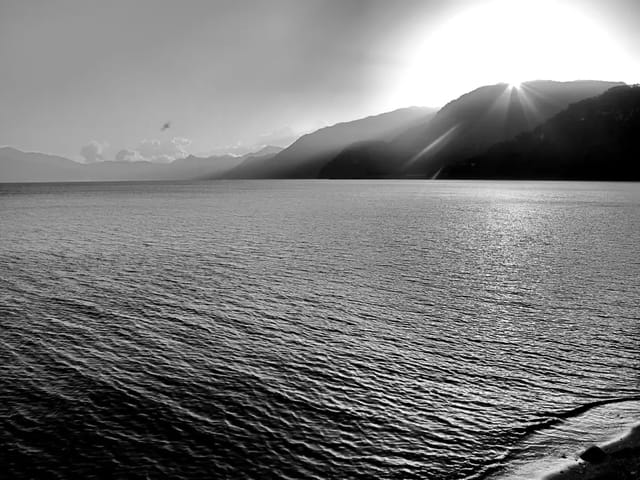
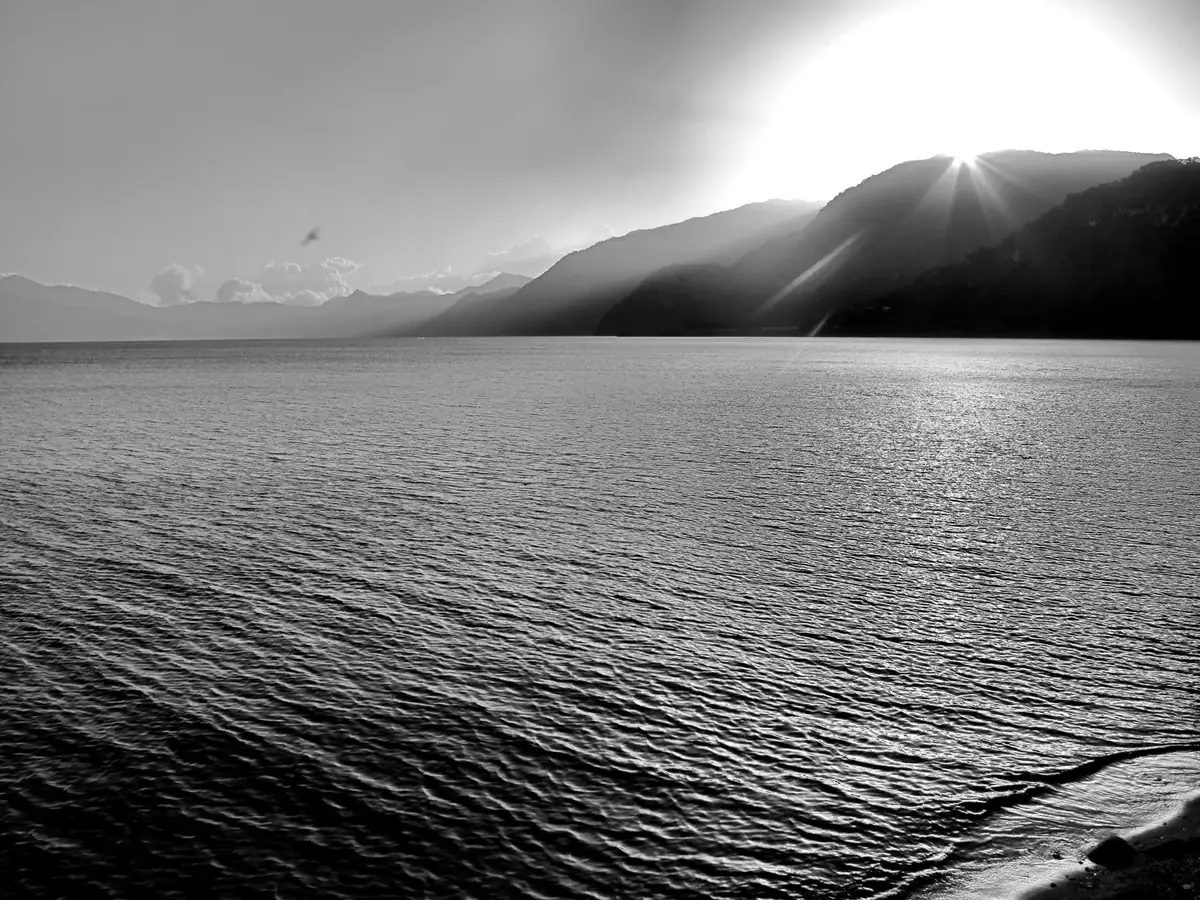
Guatemala has emerged as one of Latin America’s most attractive retirement destinations for North American retirees. Mild year-round climate (especially in the highland cities), cost of living roughly half of comparable US locations, mature healthcare infrastructure in major cities, established expat communities in Antigua and Lake Atitlán, and a streamlined pensionado visa program combine to make it a viable choice for retirees seeking quality of life on a fixed income.
This hub covers what you need to know about retiring in Guatemala — the visa pathway, real cost breakdowns, healthcare options, comparison with Mexico and Costa Rica, and where to live. Each linked sub-guide goes into deeper detail for the relevant topic.
Why Guatemala for retirement
For North American retirees considering Latin America, Guatemala has several distinct advantages over neighboring countries:
Climate: Antigua, Lake Atitlán, and the highland zones have a “spring-like” climate year-round (60-75°F typical), unlike the heat of coastal Mexico, the humidity of Costa Rica’s Pacific coast, or the rainy season constraints of Panama.
Cost: Lower overall cost of living than Costa Rica (which has become expensive) and comparable to or slightly cheaper than non-coastal Mexico. Real estate is significantly cheaper than Costa Rica or Panama.
Healthcare: Private healthcare in Guatemala City (Hospital Centro Médico, Hospital Herrera Llerandi, Hospital Bella Aurora) and Antigua is high quality at fraction of US prices. International-trained physicians, modern facilities, English-speaking staff at major hospitals.
Expat community: Antigua and Lake Atitlán have well-established expat communities with social infrastructure (book clubs, hiking groups, charitable organizations, language schools) that ease the transition.
Distance: 4-5 hour direct flights from major US cities. Easier for visiting family than European or Asian retirement destinations.
Pensionado visa: Streamlined process with a relatively low income threshold ($1,250/month verified pension, +$300/month per dependent) compared to some retirement-visa countries — and it grants permanent residency directly, not an annually-renewed permit.
What this hub covers
Pensionado Visa
The retirement visa pathway — income requirements, application process, documents needed, where to apply (US consulate or in-Guatemala migration office), processing time, and renewal. The visa allows full residency rights, no work required, and can lead to permanent residency.
Retiring on Social Security
What the average 2026 Social Security check ($2,071) actually buys town by town, whether it clears the pensionado income gate, the claiming-age math, and the SSI hard stop.
Healthcare for Retirees
Private vs. public hospital systems, IGSS voluntary contributions for foreign retirees, international health insurance options (Cigna Global, IMG, Allianz), prescription drug access, dental care, and what specific medical conditions to plan for.
Cost of Living Comparison
Detailed monthly breakdowns comparing Guatemala (Antigua), Mexico (Mérida, San Miguel de Allende), and Costa Rica (San José, Atenas). Housing, food, healthcare, transportation, utilities, entertainment — line-item comparison so retirees can choose based on their priority spending.
Best Neighborhoods
Where retirees actually live — Antigua sectors (Centro, San Pedro las Huertas, San Felipe), Lake Atitlán towns (Panajachel, San Marcos La Laguna, Santa Cruz), Guatemala City zones (10, 14, 15, 16), and emerging destinations (Quetzaltenango, Cobán). Each with retiree-relevant analysis: walkability, healthcare proximity, climate, expat density, security.
Realistic monthly budget
For a North American couple retiring to Guatemala in 2026:
| Category | Lean budget | Comfortable | Premium |
|---|---|---|---|
| Rent (1-2 bed apartment/house) | $400-$700 | $800-$1,500 | $1,500-$3,000 |
| Food (groceries + dining out) | $400-$600 | $700-$1,000 | $1,200-$2,000 |
| Healthcare (insurance + out-of-pocket) | $200-$400 | $400-$700 | $800-$1,500 |
| Utilities (electricity, water, internet) | $100-$200 | $200-$300 | $300-$500 |
| Transportation | $100-$300 | $300-$600 | $600-$1,200 |
| Household help (cleaning, gardening) | $0-$150 | $200-$400 | $400-$800 |
| Entertainment + travel | $200-$400 | $400-$800 | $1,000-$2,000 |
| Miscellaneous + buffer | $200-$300 | $300-$500 | $500-$1,000 |
| Monthly total (couple) | $1,600-$3,050 | $3,300-$5,800 | $6,300-$12,000 |
For a single retiree, multiply by approximately 0.65-0.75 (some costs scale, others don’t).
Income requirements summary
For pensionado visa:
- $1,250/month minimum verified pension income (principal applicant)
- +$300/month per dependent (so a couple needs ~$1,550/month documented)
- Stable, ongoing source (Social Security, government pension, military pension, private pension)
- Documented through US Social Security letter or pension statements
For comfortable lifestyle (recommended):
- $2,500-$3,500/month for couple (covers Antigua or Lake Atitlán comfortably)
- $1,800-$2,500/month for single retiree
For premium lifestyle:
- $5,000+/month for couple in upper-tier Antigua, lake-view properties, or premium Guatemala City zones
Common retirement-in-Guatemala questions
Can I bring my pets?
Yes. Dogs and cats can be imported with proper vaccinations and health certificates. Process takes 1-2 months of preparation. See our pet relocation guide for details.
Will my Social Security work in Guatemala?
Yes. SSA can deposit your benefits to a Guatemalan bank account or to your US bank (which you can transfer to Guatemala monthly). Most retirees keep US bank accounts for SSA deposit and transfer monthly to Guatemala for spending.
Do I need to learn Spanish?
Survival Spanish is highly recommended. In Antigua and Panajachel, English-speaking expat communities and bilingual services exist, but daily life integration improves significantly with intermediate Spanish. Many retirees take 2-4 weeks of Spanish school before or during early settlement.
Can I work?
The pensionado visa does not authorize employment in Guatemala. If you want to earn income, you’d need a different visa type (entrepreneur, investor, work permit). Most retirees on pensionado visa avoid Guatemalan employment and rely on pension and US-source income.
Can I bring my US car?
Importing a US vehicle is complicated and expensive. Most retirees sell their US car and buy a Guatemalan vehicle after arrival. Used Toyota Hiluxes, Toyota Corollas, Honda CR-Vs, and Nissan Frontiers dominate the expat used-car market.
What about US taxes?
US citizens remain subject to worldwide income tax regardless of residence. Your pension income remains taxable to the US. The Foreign Earned Income Exclusion only applies to earned income, not pensions, so you’ll generally still owe US tax on your full pension. State residence may change your state tax obligations.
Working with us
If you’re researching Guatemala retirement seriously, the linked sub-guides cover each topic in depth. For specific questions about your situation, email stu@livinginguatemala.com.
For other relevant topics:
- Real estate guides — buying property in retirement destinations
- Cost of Living Calculator — interactive cost calculator by city
- Safety by department — region-by-region safety data
Affiliate links — we earn a small commission if you buy, at no extra cost to you. We only recommend services we'd suggest to our own family.
Frequently Asked Questions
How much does it cost to retire in Guatemala?
A comfortable retirement in Guatemala runs $1,500-$3,000/month for a single retiree, $2,500-$4,500/month for a couple. The exact cost depends heavily on location (Antigua and Lake Atitlán are more expensive than smaller cities) and lifestyle (private healthcare adds $200-$600/month). Rent is typically $400-$1,500 for a comfortable apartment or small house.
What is the pensionado visa for Guatemala?
The Guatemalan pensionado visa grants direct permanent residency to retirees with verifiable monthly pension income of at least $1,250 USD (plus $300/month per dependent). It is permanent from approval — no annual renewals; you re-demonstrate income continuity every 5 years. The residency application is filed in person at IGM in Guatemala City (there is no consular filing route), though a US consulate can legalize your documents first.
Is Guatemala safe for American retirees?
Yes, with location-appropriate care. Antigua, Lake Atitlán towns, and certain Guatemala City zones (10, 14, 15, 16) have low crime rates comparable to many US cities. Smaller cities and inland areas are generally safe but require local awareness. Avoid certain Guatemala City zones (1 outskirts, 18, 21) and certain rural areas after dark.
Can I use Medicare in Guatemala?
No. Medicare does not cover medical expenses outside the United States. American retirees in Guatemala typically use private health insurance (international plans like Cigna Global, IMG, or local Guatemalan insurance), pay out-of-pocket for routine care (which is dramatically cheaper than US prices), or maintain US-based coverage for travel-back-for-treatment scenarios.
What's the best place in Guatemala to retire?
Antigua Guatemala (mild climate, walkable, expat community, Spanish schools), Lake Atitlán (Panajachel for infrastructure, San Marcos for wellness focus), and certain Guatemala City zones (proximity to international airport, healthcare, and modern amenities) are the most popular retirement destinations. Each suits different lifestyles.