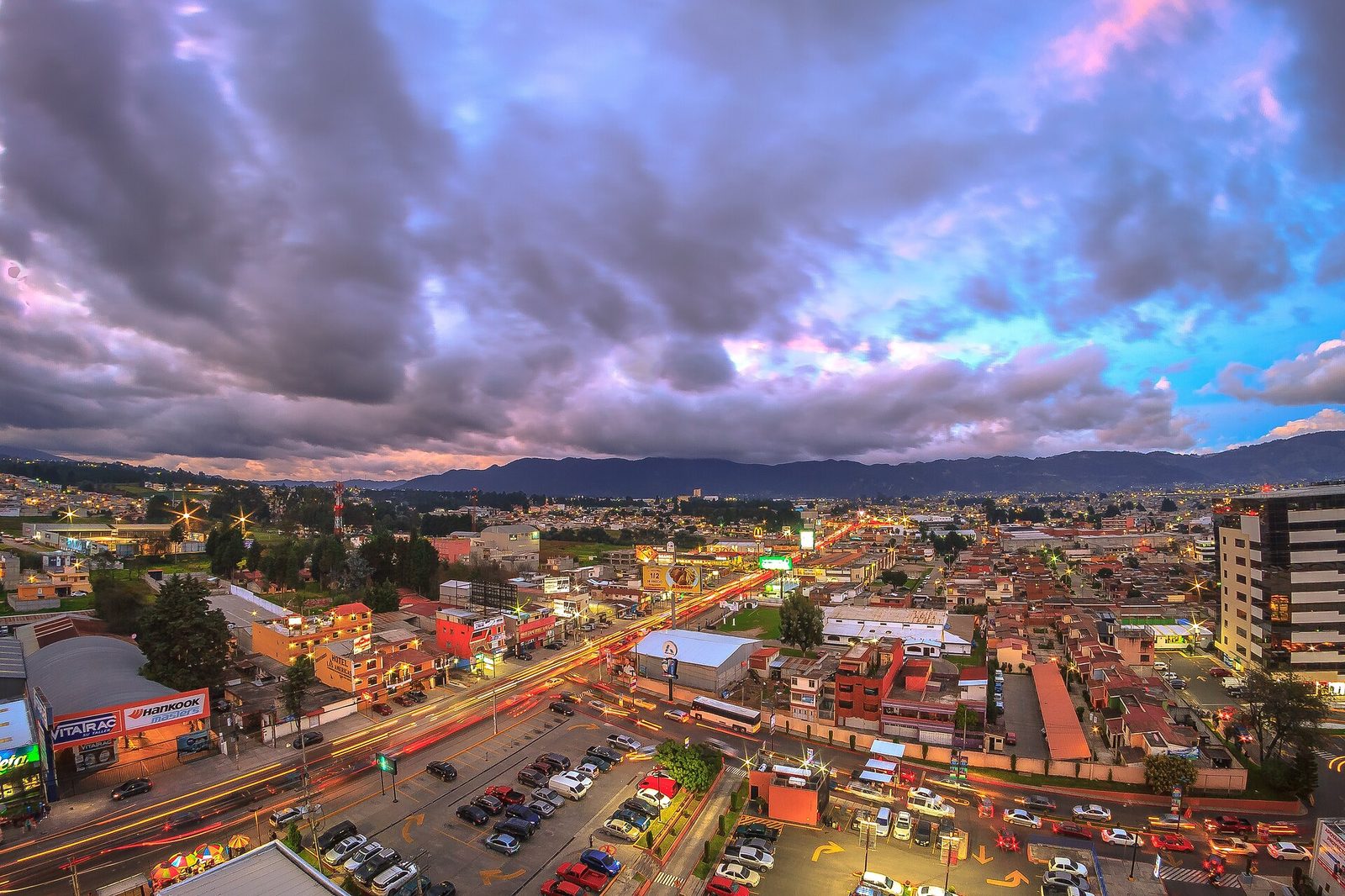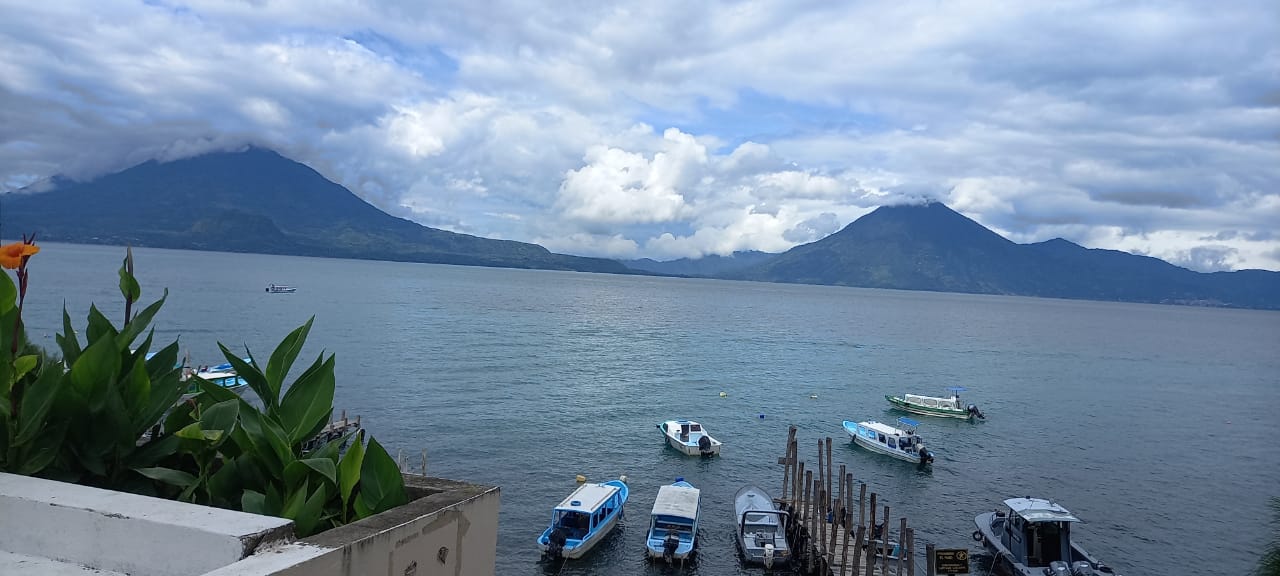
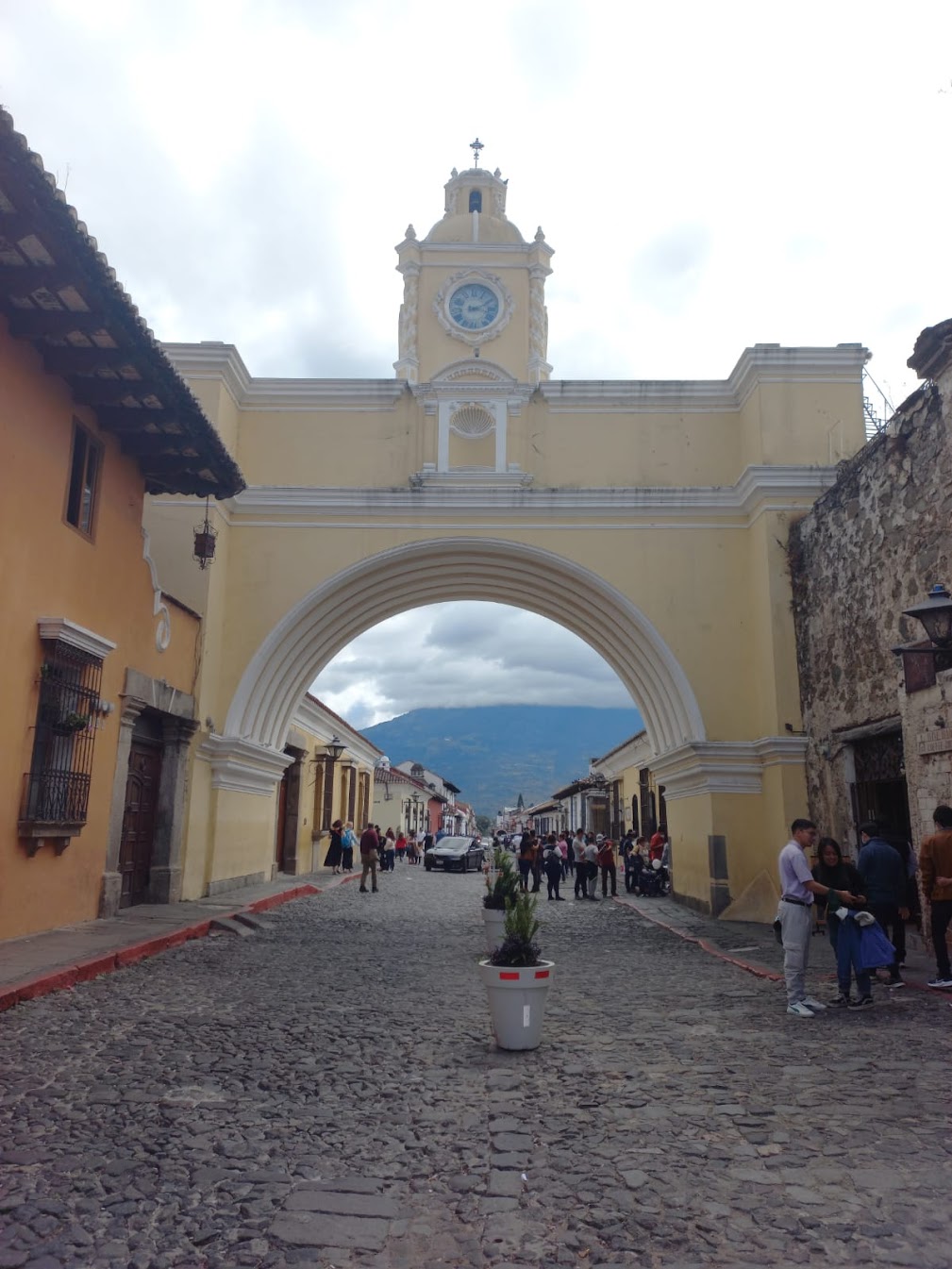
Antigua Guatemala is the place most foreigners picture when they think of moving to Guatemala. The cobblestone streets, the three volcanoes framing the skyline, the colonial architecture painted in faded yellows and terracottas — it looks like a postcard, and it mostly lives up to the image.
I grew up an hour away in Guatemala City, and Antigua was always the weekend escape. When I came back from the US, I spent my first three months here before settling into a routine that splits time between the capital and this colonial town. Antigua is easy to love. It is also easy to misjudge if you only see the tourist surface.
This guide covers what it actually costs, where to live, how the internet works, and the things nobody puts in the brochure.
Why Antigua?
Antigua was the colonial capital of Central America until earthquakes destroyed it in 1773. That destruction preserved it — the city never industrialized, never got high-rises, never lost its 16th-century street grid. UNESCO made it a World Heritage Site in 1979, and strict building codes keep it that way. No building over two stories. No neon signs. No chain restaurants on the main streets.
For the practical considerations:
- 45 minutes from the international airport in Guatemala City. No other expat destination in Guatemala is this close to flights home.
- Walkable. The entire central area is about 12 blocks by 12 blocks. You can walk from one end to the other in 20 minutes.
- Established expat infrastructure. English-speaking doctors, international restaurants, coworking spaces, Spanish schools, and a social scene that makes it easy to meet people your first week.
- Safe by Guatemalan standards. Tourist police patrol the center. Violent crime rates in Sacatepequez are among the lowest in the country. See our safety guide for department-by-department data.
- Beautiful climate. At 1,530 meters (5,020 feet) elevation, it is warm during the day (22-25C / 72-77F) and cool at night (12-15C / 54-59F) year-round.
- Semana Santa epicenter. Antigua hosts the largest Holy Week celebration in the Americas, with UNESCO-recognized processions and elaborate sawdust carpets drawing over 300,000 visitors each April. See our complete Semana Santa guide for dates and planning details.
The downsides are real too. Tourist prices on the main streets. Cobblestones that destroy shoes and make rolling luggage a nightmare. Limited nightlife compared to Guatemala City. And a certain expat bubble where you can live for months without learning Spanish if you are not intentional about it.
Cost of Living
Antigua is more expensive than most of Guatemala but still a fraction of US or European costs. The tourist center inflates prices, but walk five blocks in any direction and costs drop. For the cheapest way to transfer money from the US, see our remittance comparison. All figures below are in USD at the current exchange rate of approximately Q7.66 per dollar.
Monthly Budget Breakdown (Single Person)
| Expense | Budget | Comfortable | Luxury |
|---|---|---|---|
| Rent (1BR furnished) | $350–500 | $600–900 | $1,200–2,000 |
| Groceries | $100–150 | $200–300 | $350–500 |
| Eating out | $60–100 | $150–250 | $300–500 |
| Transport | $15–30 | $40–80 | $100–200 |
| Utilities (electric, water, gas) | $30–50 | $60–90 | $100–150 |
| Internet | $30 | $30–40 | $40–66 |
| Phone plan | $10–13 | $13–20 | $20–30 |
| Healthcare | $15–25 | $40–80 | $100–200 |
| Entertainment | $30–60 | $80–150 | $200–400 |
| Monthly Total | $640–958 | $1,213–1,910 | $2,410–4,046 |
For a deeper breakdown with grocery prices and comparisons to other cities, see our cost of living data page.
Rent details: Budget means a simple room or studio a few blocks from the center, possibly with shared kitchen. Comfortable means a furnished one-bedroom apartment with a private courtyard (Antigua’s signature feature) and hot water. Luxury means a restored colonial house or high-end apartment with rooftop terrace, daily cleaning, and volcano views.
Pro Tip: Rent drops 20-30% if you sign a 6-month or 12-month lease instead of month-to-month. The tourist rental market inflates short-term prices. Ask for “precio de planta” (long-term price) and negotiate in person, not over WhatsApp.
Key Prices
| Item | Price (GTQ) | Price (USD) |
|---|---|---|
| Comida corriente (set lunch) | Q25–35 | $3.25–4.55 |
| Coffee at a cafe | Q15–30 | $2–4 |
| Beer at a bar | Q20–35 | $2.60–4.55 |
| Uber to Guatemala City | Q150–200 | $19.50–26 |
| Chicken bus to GC | Q10–15 | $1.30–1.95 |
| Gym membership (monthly) | Q200–400 | $26–52 |
| Spanish school (20hrs/week) | Q600–1,200 | $78–157 |
| Doctor visit (private) | Q150–400 | $19.50–52 |
Neighborhoods
Antigua is small enough that “neighborhoods” really means a few distinct areas within walking distance of each other. Here is how they break down.
Central Antigua (Within the Grid)
This is the 12x12 block core bounded by the main ruins and churches. The closer you are to Parque Central, the higher the rent and the more tourists you encounter. Streets closest to 5a Avenida Norte (the main restaurant strip) are the most expensive.
Best for: Short-term stays, first-time visitors who want walkability, anyone who prioritizes convenience over quiet.
Rent: $600–2,000/month furnished, depending on proximity to the center and whether you get a courtyard.
San Pedro Las Huertas
A village that has been absorbed into Antigua’s orbit, about 2 km south of the center. It is quieter, cheaper, and more Guatemalan. Local tiendas, comedores, and a pace of life that the tourist center lost years ago. You can walk to Antigua’s center in 20-25 minutes or take a tuk-tuk for Q10 ($1.30).
Best for: Long-term residents who want lower costs and a more authentic feel. Spanish immersion (fewer English speakers here).
Rent: $300–600/month. Houses with gardens are common.
San Juan del Obispo
Perched on the hillside south of Antigua with panoramic views of the valley. A small, quiet village with limited services but stunning scenery. The commute into Antigua center is 10 minutes by car or tuk-tuk (Q15-20).
Best for: Writers, remote workers who want solitude, couples who prioritize views and quiet.
Rent: $250–500/month. Larger spaces for less money, but limited restaurant and shop options.
Ciudad Vieja
The original colonial capital, 5 km southwest of Antigua. A working Guatemalan town with its own market, churches, and identity. Very few tourists. Significantly cheaper than Antigua proper, with a chicken bus connection every 10 minutes.
Best for: Budget-conscious long-termers, people who want to live in a real Guatemalan town with Antigua access.
Rent: $200–400/month.
Jocotenango
Just north of Antigua, practically connected. This is where many Antiguan workers live. It has its own market, a large public park, and increasingly some cafes and restaurants catering to the overflow from Antigua. Walking distance to the center (15 minutes).
Best for: Budget-friendly living with easy Antigua access. Good for families.
Rent: $250–500/month.
Pro Tip: The best deals in Antigua are never listed online. Walk the streets looking for “Se Alquila” (For Rent) signs, or ask at tiendas and Spanish schools. Locals know who has rooms available. Facebook groups like “Antigua Guatemala Housing” are useful but prices there trend 20-30% higher than walk-in deals.
Internet and Coworking
Antigua’s internet has improved dramatically. The central area now has fiber options from both Tigo and Claro, and most residential streets within the grid get 50-150 Mbps cable. For the full picture of ISP options and pricing, see our internet guide.
Home Internet
- Tigo Fiber: Up to 150 Mbps for Q235/month (~$30). Available in the central grid and expanding.
- Claro Fiber: Up to 120 Mbps for Q229/month (~$30). Slightly smaller coverage area.
- Starlink: Q345–510/month (~$45–66). Works anywhere, no installation wait. Good backup for areas without fiber.
Reality check: Fiber is available in the center, but if you live in San Pedro Las Huertas or San Juan del Obispo, you may be limited to cable (30-50 Mbps) or need Starlink. Always verify availability at the specific address before signing a lease.
Coworking Spaces
- Impact Hub Antigua — The most established space. Monthly memberships, meeting rooms, community events. Reliable 50+ Mbps wifi.
- Selina Antigua — Hotel-coworking hybrid popular with nomads. Day passes available.
- Cafe culture — Fernando’s Kaffee, Cafe Sky, Rainbow Cafe, and a dozen others welcome laptop workers. Expect 15-40 Mbps wifi. No time limits at most places if you buy a drink every couple hours.
For more coworking details and nomad-specific recommendations, see our digital nomad guide.
Getting Around
Antigua is fundamentally walkable. If you live within the central grid, you can reach everything on foot. Beyond the center:
- Tuk-tuks: Q5–20 within Antigua, Q10–25 to surrounding villages. Flag them on any street. No meters — agree on the price before getting in.
- Chicken buses: Q3–5 to Ciudad Vieja, Jocotenango, or San Pedro Las Huertas. Frequent, cheap, crowded.
- Uber: Works in Antigua but with fewer drivers than Guatemala City. Expect Q15–40 within town, Q150–200 to Guatemala City.
- Shuttle services: Q80–120 to Guatemala City, Q150–250 to Lake Atitlan, available from agencies on 5a Avenida. Book the day before.
- Renting a car: Not necessary for Antigua itself, but useful for day trips. Q200–400/day from local agencies.
For transportation details across the whole country, see our transportation guide.
Spanish Schools
Antigua is the Spanish school capital of Central America. There are over 30 schools within walking distance of Parque Central. For a complete comparison including schools in Xela and Lake Atitlan, read our Spanish school guide.
Top Schools in Antigua
| School | Price (20hrs/week) | Style | Best For |
|---|---|---|---|
| Probigua | Q500–600 ($65–78) | Non-profit, profits fund libraries | Budget, social impact |
| Antigua Spanish Academy | Q700–900 ($91–117) | Professional, structured curriculum | Serious learners |
| Christian Spanish Academy | Q600–800 ($78–104) | Immersive, small class size | Beginners |
| Cooperativa Spanish | Q500–700 ($65–91) | Worker-owned cooperative | Cultural immersion |
| PLFM Spanish School | Q800–1,200 ($104–157) | Premium, tailored programs | Professionals, executives |
Most schools offer homestay packages where you live with a Guatemalan family, eat meals together, and practice Spanish outside of class. Typical cost: Q400–700/week ($52–91) including meals and a private room.
Pro Tip: Do not choose a school based on Google reviews alone. Walk in, ask for a trial class, and talk to current students. The best school for you depends on your level, learning style, and whether you want social activities or pure grammar drilling. Many schools let you try one day free.
Top 10 Things to Do
Antigua is not just a town to live in — it is a base for exploring the central highlands. For the complete activities database with hundreds of listings, explore on the map.
- Hike Volcan Acatenango (overnight) — Camp at 3,976m and watch Fuego erupt at night. The most popular hike in Guatemala. Q250–400 ($33–52) with a guide.
- Watch sunrise from Cerro de la Cruz — The iconic viewpoint overlooking Antigua with Volcan de Agua behind it. Free, 15-minute walk uphill.
- Explore the ruins — Santa Clara, La Merced, San Jose Cathedral, and a dozen others. Most charge Q5–40 entry.
- Visit a coffee farm — Antigua is one of Guatemala’s premier coffee regions. Finca Filadelfia, De La Gente, and Cafetenango offer tours with tastings. Q80–200.
- Take a cooking class — Learn to make pepian, jocon, and other Guatemalan dishes. Several operators in the center, Q200–400.
- Shop at the Mercado de Artesanias — Textiles, jade, ceramics, and woodwork from across the country. Prices are negotiable.
- Bike through the valley — Old Town Outfitters and others rent mountain bikes and run guided rides through coffee farms and villages. Q150–300.
- Soak in hot springs — Fuentes Georginas (near Xela, day trip possible) or the closer Santa Teresita hot springs near Amatitlan. Q30–80 entry.
- Day trip to Lake Atitlan — 2.5 hours by shuttle. Go for a day, or stay the weekend. See our Lake Atitlan guide.
- Weekend market in Chichicastenango — Thursdays and Sundays, the largest indigenous market in Central America. Shuttle from Antigua takes 2 hours.
In-depth guides for Antigua-based activities:
- Coffee Farm Tours – detailed comparison of Filadelfia, De La Gente, El Pilar, and more with prices and what is included
- Spanish Schools: Antigua vs Xela – school-by-school comparison, weekly rates, homestay options
- Hiking Volcanoes – complete trail guide for Acatenango, Pacaya, Agua, and more
- Cycling & Mountain Biking – Antigua trail rides, valley routes, and bike rental info
- Hot Springs & Natural Pools – Fuentes Georginas and 6 more natural bathing spots
Weather and Climate
Antigua’s climate is one of its biggest draws. At 1,530 meters elevation, it avoids both the coastal heat and the highland cold.
| Month | High (C/F) | Low (C/F) | Rain Days | Notes |
|---|---|---|---|---|
| Jan | 23/73 | 12/54 | 1 | Dry, clear skies |
| Feb | 25/77 | 12/54 | 1 | Warmest dry month |
| Mar | 26/79 | 13/55 | 2 | Jacarandas blooming |
| Apr | 26/79 | 14/57 | 4 | Semana Santa (packed) |
| May | 25/77 | 15/59 | 12 | Rainy season starts |
| Jun | 24/75 | 15/59 | 18 | Afternoon storms |
| Jul | 23/73 | 14/57 | 16 | Canicula (brief dry spell mid-month) |
| Aug | 23/73 | 15/59 | 16 | Green, lush landscapes |
| Sep | 23/73 | 15/59 | 20 | Wettest month |
| Oct | 23/73 | 14/57 | 16 | Rainy season fading |
| Nov | 23/73 | 13/55 | 4 | Dry season returns |
| Dec | 22/72 | 12/54 | 1 | Cool evenings, festive |
What “rainy season” actually means: It does not rain all day. Mornings are typically sunny and clear. Storms roll in between 2-5 PM, dump rain for 1-2 hours, and then clear up for a cool, clean evening. You can work and explore all morning, then retreat to a cafe or coworking space in the afternoon. Most expats find the rainy season more pleasant than the dusty dry season.
For real-time weather data and forecasts, check our weather page.
Safety
Antigua is one of the safest places in Guatemala. Sacatepequez department has a homicide rate well below the national average, and the tourist police (POLITUR) patrol the central streets day and night.
Common sense rules:
- Avoid walking alone outside the central grid after 10 PM. Use a tuk-tuk or Uber.
- Do not flash expensive electronics or jewelry on quiet streets.
- Petty theft (phone snatching, pickpockets) is the main risk, not violent crime.
- The road between Antigua and Guatemala City (RN-14) occasionally has highway robberies, especially at night. Travel during daytime when possible, or use shuttle services.
For detailed crime statistics by department and safety tips, read our comprehensive safety guide with real crime data.
Healthcare
Antigua has several private clinics and a public hospital. For anything serious, Guatemala City (45 minutes away) has world-class private hospitals like Hospital Herrera Llerandi and Centro Medico.
- Private doctor visit: Q150–400 ($19.50–52)
- Dental cleaning: Q200–400 ($26–52)
- Pharmacy: Well-stocked Farmacias Galeno and Cruz Verde in the center
- Emergency: Hospital Nacional Pedro de Betancourt (public) or private ambulance to Guatemala City
Many expats use Guatemala City specialists for anything beyond basic care and keep Antigua as their day-to-day healthcare base.
Who Antigua Is For (and Who It Is Not For)
Antigua is ideal for:
- First-time movers to Guatemala who want an easy landing
- Spanish students (the entire town is built for this)
- Remote workers who want reliable internet and cafe culture
- Couples and retirees who value walkability and beauty
- Anyone who wants Guatemala access without Guatemala City’s chaos
Antigua may not be for you if:
- You want big-city nightlife and entertainment (Guatemala City is better)
- You need the absolute lowest cost of living (Xela or Lake Atitlan are cheaper)
- You want to avoid other foreigners and fully immerse (the expat bubble is real)
- You need a car-friendly town (cobblestones are brutal, parking is limited)
Frequently Asked Questions
Is Antigua Guatemala safe for expats?
Yes. Antigua is one of the safest cities in Guatemala. The Sacatepequez department has a homicide rate well below the national average, tourist police patrol regularly, and the walkable center makes it easy to stay in well-lit, populated areas. Petty theft is the main concern — keep your phone and wallet secure. For detailed crime statistics, see our safety guide.
How much does it cost to live in Antigua Guatemala?
A comfortable single person spends $1,200–1,900 per month including rent, food, internet, and entertainment. Budget living is possible at $640–950 per month if you rent outside the center, cook at home, and limit dining out. Luxury living with a restored colonial house runs $2,400–4,000+. See the full breakdown in our cost of living page.
Can I work remotely from Antigua?
Yes. Antigua has fiber internet (up to 150 Mbps) in the central area, multiple coworking spaces, and dozens of cafes with working wifi. The CST timezone (UTC-6) overlaps perfectly with US business hours. See our digital nomad guide for workspace recommendations.
How do I get from Guatemala City airport to Antigua?
The drive takes 45-75 minutes depending on traffic. Options: shuttle service ($10-15, bookable through your hotel or agencies like Adrenalina Tours), Uber ($19-26), private transfer ($30-50), or chicken bus from the Antigua terminal in Zona 1 GC ($1.30, not recommended with luggage). Avoid driving RN-14 at night.
Do I need to speak Spanish to live in Antigua?
You can get by with English in Antigua’s tourist core — many restaurant menus, tours, and real estate agents operate in English. But beyond the center, Spanish is essential. I strongly recommend at least basic conversational Spanish before arriving, and enrolling in a local school once here. See our Spanish school guide for options starting at $65/week.