![Best Guatemala Coffee Tours: Farm to Cup Guide [2026]](/images/photos/portabello-breakfast-caoba-farms.jpg)
Guatemala produces some of the finest coffee in the world. That is not national pride talking – it is the assessment of specialty roasters and competition judges globally. The country’s combination of volcanic soil, altitude (1,200-2,000+ meters), and distinct microclimates creates flavor profiles that are genuinely unique.
I grew up drinking Guatemalan coffee without thinking much about it. Then I visited my first finca and watched the entire process from cherry to cup. Now I cannot drink gas station coffee without feeling a little sad. A coffee tour in Guatemala will ruin you in the best possible way.
TL;DR: Coffee farm tours in Guatemala cost $20-35 per person. Eight distinct growing regions produce world-class beans. Filadelfia (Q270/$35) is the most popular, De La Gente (Q190/$25) is the most authentic. Buy whole bean bags from Q50-120 ($6-16) per pound.
Guatemala’s Coffee Regions
Guatemala has 8 officially recognized coffee-growing regions, each with distinct characteristics.
| Region | Elevation (masl) | Flavor Profile | Best Farms to Visit | Season |
|---|---|---|---|---|
| Antigua | 1,500-1,700 | Chocolate, nutty, balanced, full body | Filadelfia, De La Gente, El Pilar | Nov-Mar |
| Huehuetenango | 1,500-2,000+ | Complex, fruity, bright acidity, wine-like | El Injerto, Finca Rosma | Year-round |
| Atitlan | 1,500-1,700 | Citrusy, floral, medium body | Family farms near San Juan/San Pedro | Nov-Mar |
| Coban/Alta Verapaz | 1,300-1,500 | Balanced, mild, clean, spicy | Chicoj, Finca Sacmoc | Year-round |
| Fraijanes | 1,400-1,800 | Bright, fruity, clean finish | Near Guatemala City | Nov-Mar |
| San Marcos | 1,300-1,800 | Floral, delicate, light body | Small cooperatives | Nov-Mar |
| Nuevo Oriente | 1,300-1,700 | Balanced, chocolate, smooth | Remote, fewer tours available | Nov-Mar |
| Acatenango | 1,300-2,000 | Rich, sweet, chocolatey | Growing specialty scene | Nov-Mar |
Prices verified February 2026. See our exchange rates page for today’s USD/GTQ rate.
Antigua Region: Most Accessible Tours
The Antigua valley is the most visited coffee region because of its proximity to the country’s main tourist hub and its excellent accommodation options for visitors. Several major fincas offer daily tours in English and Spanish.
Farm Comparison
| Farm | Location | Price (GTQ) | Price (USD) | Duration | Includes | Highlight |
|---|---|---|---|---|---|---|
| Filadelfia | 5 min from Antigua | Q270 | $35 | 2 hours | Tour, tasting, history | Largest, most professional |
| De La Gente | San Miguel Escobar | Q190 | $25 | 3 hours | Tour, roasting class | You roast your own beans |
| El Pilar | San Felipe | Q150 | $20 | 1.5 hours | Tour, tasting | Small, intimate, family-run |
| El Tenedor | Near Antigua | Q200 | $26 | 2 hours | Tour, tasting, lunch | Organic focus |
| Santo Domingo | Inside the hotel | Free | Free | Self-guided | Museum exhibit | Coffee history museum |
Filadelfia Coffee Resort
The most popular tour. The finca has been producing coffee since 1870 and runs a professional operation with multilingual guides. The tour walks you through the entire process: nursery, planting, harvesting (if in season), wet mill, drying patios, roasting, and cupping. The tasting at the end is excellent.
Practical info: Book online or just show up. Tours run multiple times daily. The finca also has a restaurant and zipline course – a fun add-on to the coffee experience.
De La Gente Community Tours
This is my personal recommendation. De La Gente is a social enterprise that partners with smallholder farmers in San Miguel Escobar, a community 10 minutes from Antigua. The tour takes you to an actual family farm (not a resort), and the highlight is roasting your own coffee on a comal and grinding it with a hand mill.
You leave with a bag of coffee you roasted yourself. The Q190 ($25) goes directly to the farming family and the cooperative. If you care about where your money goes, this is the tour to take.
Free and Almost-Free Options
- Walk through fincas during harvest (Nov-Feb): Some farms along the roads outside Antigua let you walk the rows and watch pickers work. Ask permission first.
- Santo Domingo coffee museum (free with hotel access): Small but informative exhibit on coffee history.
- Market tastings: Several coffee shops in Antigua offer free cupping sessions if you ask nicely. Fernando’s Kaffee and Cafe Boheme are good starting points.
- Chimaltenango cooperatives: Several cooperatives near Chimaltenango welcome visitors. Less polished than Antigua tours but more authentic and cheaper (Q50-100). See the Chimaltenango region on the map.
Huehuetenango: The Specialty Region
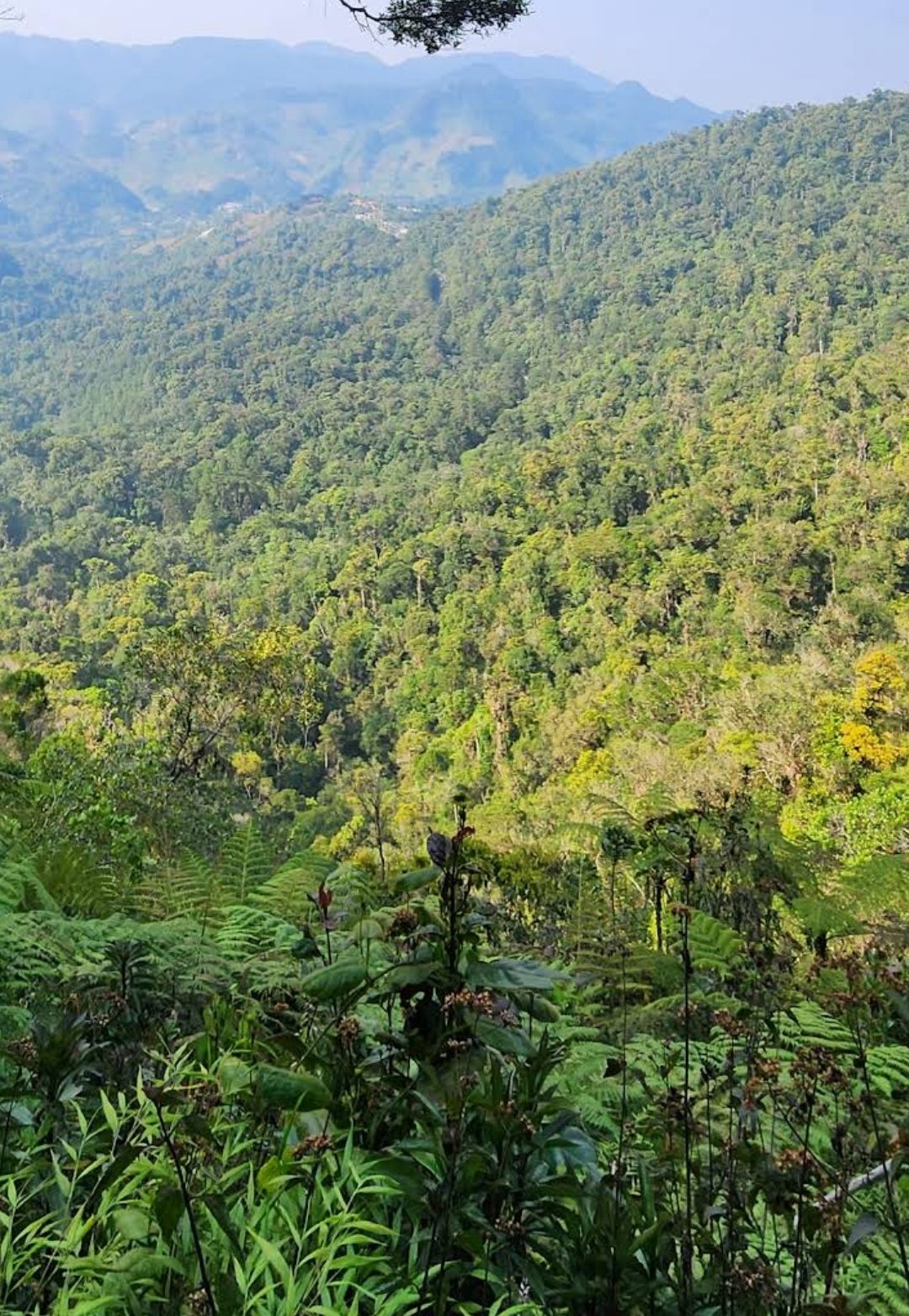
Huehuetenango grows Guatemala’s highest-altitude coffee, some above 2,000 meters. The remote location and extreme altitude produce incredibly complex, fruity flavors that win international competitions. Finca El Injerto has won the Cup of Excellence multiple times.
Getting to Huehuetanango’s coffee region requires effort – it is a 5-6 hour drive from Guatemala City. Tours are less organized than Antigua but more rewarding for serious coffee enthusiasts.
| Farm | Location | Price | Accessibility | Notes |
|---|---|---|---|---|
| El Injerto | La Libertad | By arrangement | Difficult | Competition-winning, exclusive |
| Finca Rosma | Todos Santos area | Q200 ($26) | Moderate | Combines coffee with indigenous culture |
| ACODIHUE cooperative | Huehue city | Q100-150 ($13-20) | Easy | Women’s cooperative, Q’anjob’al community |
Explore Huehuetenango on the map for accessibility and infrastructure data.
Atitlan Slopes: Family Farm Experience
The volcanic slopes surrounding Lake Atitlan produce excellent coffee. Many small family farms in San Juan La Laguna, San Pedro, and Santa Clara La Laguna offer informal tours. This is cooperative tourism at its most grassroots.
Expect to pay Q50-150 ($6-20) for a walk through a family’s coffee plot with explanations in Spanish (sometimes English). Picking up some basic Spanish before visiting will make the experience much richer. The farms are small – often a few hundred trees – but the personal experience and direct connection to the farmer make up for the lack of polished infrastructure.
How to arrange: Ask at your hotel in San Pedro or San Juan. Local guides know which families are receiving visitors.
Coban and Alta Verapaz: Cloud Forest Coffee
Coban’s perpetual drizzle and cloud forest environment create unique growing conditions. The coffee here tends to be cleaner and more balanced than the bold Antigua style.
The town of Coban itself is a working agricultural center, not a tourist hub. Coffee tours are less common but can be arranged through local operators. The combination of coffee farms, the Biotopo del Quetzal, and the Semuc Champey natural pools makes the Alta Verapaz region an excellent 3-4 day trip. Check our transportation guide for how to reach Coban from Antigua or Guatemala City.
What to Buy and How to Bring It Home
| Product | Price Range (GTQ) | Price (USD) | Where to Buy | Shelf Life |
|---|---|---|---|---|
| Roasted whole bean (1 lb) | Q50-120 | $6-16 | Farms, markets, shops | 2-4 weeks peak freshness |
| Roasted ground (1 lb) | Q40-100 | $5-13 | Supermarkets, markets | 1-2 weeks peak |
| Green (unroasted) beans (1 lb) | Q30-80 | $4-10 | Farms, cooperatives | 6-12 months |
| Specialty single-origin (12 oz) | Q80-200 | $10-26 | Specialty shops, farms | 2-4 weeks |
Customs and Travel Tips
- Roasted coffee in sealed bags flies home in checked luggage without issues. No agricultural restrictions.
- Green beans may be inspected by US customs (APHIS). Usually fine if declared, but technically require a phytosanitary certificate.
- Buy whole bean, not ground. Ground coffee loses flavor within days. Whole bean keeps 2-4 weeks.
- Vacuum-sealed bags from farms are designed for travel. Ask the farm to seal your purchase.
- Airport prices are 20-40% higher than farm prices. Buy at the source if you can.
Coffee + Birdwatching: The Perfect Combination
Many coffee farms in Guatemala double as excellent birdwatching sites. Shade-grown coffee farms preserve canopy habitat that attracts hundreds of bird species. Los Tarrales reserve on the Pacific slope of Atitlan volcano is both a working coffee farm and one of the best birding spots in the country with 350+ species recorded.
See our Birdwatching in Guatemala guide for more on combining coffee tours with birding.
Related Guides
- Birdwatching in Guatemala – coffee farms as birding hotspots
- Lake Atitlan Towns – base yourself here for Atitlan coffee tours
- Cost of Living in Guatemala – what Q50 for a bag of the world’s best coffee means in context
- Remittance Comparison – best rates for sending money to Guatemala
- 40+ Free Things to Do – including free market tastings
![Viernes Santo Antigua 2026: Hour-by-Hour Procession Guide [Maps & Times]](/images/photos/semana-santa-2.jpg)