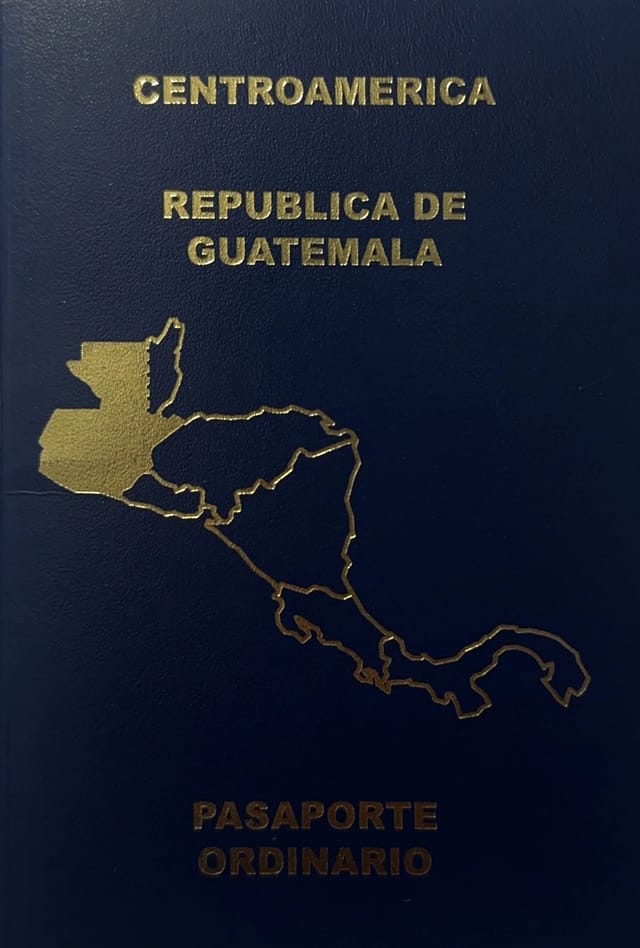

Guatemala has recognized dual nationality since 1999, meaning that Guatemalan citizens who naturalize as US citizens retain their Guatemalan citizenship automatically. For the millions of Guatemalans in the USA who have become US citizens, this is one of the most important pieces of legal status — it preserves property rights, inheritance rights, voting rights, and the ability to live in either country without restriction.
This page covers what dual nationality means, how to confirm and document your status, what rights and obligations come with it, and the practical implications for inheritance, property ownership, and taxation.
How dual nationality works
The Guatemalan Constitution (Article 144 and related provisions) and the Nationality Law (Decreto 1613) establish that Guatemalan nationality is acquired by:
- Birth in Guatemala (jus soli)
- Birth abroad to a Guatemalan parent (jus sanguinis) — must be registered with RENAP within applicable timeframes
Once acquired, Guatemalan nationality is preserved unless formally renounced through the Guatemalan government. Naturalizing as a citizen of another country (USA, Canada, Spain, etc.) does NOT cause loss of Guatemalan nationality.
The US naturalization oath includes renunciation language, but this is a US-side declaration — it has no effect on Guatemalan law. Guatemala simply does not recognize foreign oaths as renunciation of Guatemalan citizenship.
Confirming your dual national status
If you were born in Guatemala and naturalized in the USA, you are automatically a dual national. No application is needed from the Guatemalan side. However, you may want to formally document your status for practical purposes:
Maintaining current Guatemalan documents
The most practical confirmation of your dual national status is keeping current:
- Guatemalan passport (renew before expiration)
- Guatemalan DPI (renew when expired)
If both are current, your dual national status is documented and ready for any practical use.
Certificate of nationality (constancia de nacionalidad)
For specific situations — major property purchases, inheritance proceedings, court matters — you can request a constancia de nacionalidad from a Guatemalan consulate or RENAP in Guatemala. This is a formal certificate confirming your nationality status.
Cost: typically $30-$80 at US consulates. Generally not needed for routine matters but useful for significant transactions.
Rights as a dual national
Dual nationals have full Guatemalan citizen rights:
Property ownership
- Can own property anywhere in Guatemala without restrictions
- The 200-meter coastal/lakeshore restriction (Article 122) does NOT apply to Guatemalan citizens, only to foreigners
- This is a major advantage over non-citizen foreigners — no need for sociedad anónima structure for restricted-zone properties
- Inheritance of Guatemalan property works the same as for any Guatemalan citizen
Voting
- Eligible to vote in Guatemalan presidential elections from abroad
- Requires advance registration with TSE (Tribunal Supremo Electoral)
- See our voting from USA page for the process
Work and residence
- Can live in Guatemala without any visa or permit
- Can work in Guatemala without work-permit requirements
- Children retain rights to Guatemalan public services and education
Inheritance
- Inherit Guatemalan property and assets without foreigner restrictions
- Pass Guatemalan citizenship to your children (with proper RENAP registration)
- Generally exempt from Guatemalan inheritance taxes for direct family
Restrictions on dual nationals
While most rights are full, a few restrictions apply:
Government positions
Some Guatemalan government positions are constitutionally restricted to citizens without dual nationality:
- President and Vice President
- Ministers and high officials
- Certain judicial positions
- Diplomatic posts
Most diaspora are not affected by these restrictions in practice.
Compulsory military service
Guatemalan military service is technically compulsory but not actively enforced for diaspora living abroad. If you return to Guatemala permanently and are of military age, the situation may need to be addressed.
Tax implications
This is the most-asked question for dual nationals — how does dual citizenship affect taxes?
US taxes (worldwide income)
The USA taxes worldwide income for all US citizens regardless of residence. As a US citizen, you’re subject to US tax obligations on:
- Your US salary and income
- Any Guatemalan rental income, business income, or investment income
- Capital gains on Guatemalan property when sold
The Foreign Earned Income Exclusion (FEIE) and Foreign Tax Credit help offset US taxes on foreign income, but the reporting obligation remains.
Guatemalan taxes (territorial system)
Guatemala uses a territorial tax system — generally taxing only Guatemalan-source income, not worldwide income. As a dual national living in the USA:
- You generally do NOT file Guatemalan tax returns on your US salary
- You DO file Guatemalan returns if you have Guatemalan rental income, business income, or other Guatemalan-source revenue
- Capital gains on sale of Guatemalan property are subject to Guatemalan ISR
The double-taxation question
For Guatemalan-source income subject to both US and Guatemalan tax:
- The US-Guatemala tax treaty provides relief from double taxation
- US Foreign Tax Credit allows you to credit Guatemalan taxes paid against US tax owed
- Net effect: you typically pay the higher of the two countries’ tax rates, not both in full
For any significant cross-border tax situation, consult a tax professional with US-Guatemalan dual-national experience. Generic accountants often miss treaty-based relief or filing requirements.
NIT (Guatemalan tax ID)
If you have Guatemalan-source income, you’ll need a NIT for SAT compliance. See our NIT from USA page for the process.
Practical situations
Buying property in Guatemala as a dual national
Major advantage: you can buy directly in your own name anywhere in Guatemala, including beachfront and lakefront — no sociedad anónima required. This saves $1,500-$3,000 in setup and $500-$1,500 annually in maintenance vs. non-citizen foreigners.
Always confirm your dual national status is documented (current Guatemalan passport or DPI) before the closing.
Inheriting from Guatemalan family
As a Guatemalan citizen, you inherit on the same basis as Guatemalan-resident citizens. No special procedures, no additional taxes for direct family inheritance.
If you’ve never registered or claimed your dual nationality, the inheritance process can still proceed but may require additional documentation to establish your citizenship. Renew your Guatemalan documents before initiating any inheritance claim.
Sending money to Guatemala
Dual nationals send remittances on the same basis as anyone else — see our remittances guide. Your dual national status doesn’t change the remittance options or fees, but it may affect tax reporting if you’re sending significant amounts that touch your Guatemalan tax situation.
Children of dual nationals
US-born children of at least one Guatemalan-citizen parent are eligible for Guatemalan citizenship. They must be registered with RENAP through a Guatemalan consulate. See our birth registration for US-born children page.
Once registered, children become dual nationals from birth — preserving their property and inheritance rights for life.
Common misconceptions
“I lost my Guatemalan citizenship when I became a US citizen.” — Not true under Guatemalan law. Your citizenship is retained automatically.
“I have to choose one or the other.” — Not under Guatemalan law. You can hold both indefinitely.
“Dual nationality is taxed twice.” — Not under the US-Guatemala tax treaty. You may have reporting obligations to both countries, but proper application of the treaty avoids true double taxation in most cases.
“My Guatemalan documents expired so my citizenship lapsed.” — Not true. Citizenship is permanent unless formally renounced. Documents lapse but underlying citizenship doesn’t.
What’s next
If you’re rebuilding your Guatemalan documentation as a dual national:
- Renew your Guatemalan passport from USA
- Renew your DPI from USA
- Register US-born children: birth registration page
- If you have Guatemalan financial activity: get your NIT
- To vote in Guatemalan elections: voting from USA
For complex cross-border tax situations, email stu@livinginguatemala.com and we can suggest tax professionals with relevant experience.
Frequently Asked Questions
Does Guatemala recognize dual nationality with the USA?
Yes. Guatemala has recognized dual nationality with all countries since 1999. A Guatemalan citizen who naturalizes as a US citizen retains their Guatemalan citizenship automatically. No special application or notification is required from the Guatemalan side.
Will I lose my Guatemalan citizenship if I become a US citizen?
No. Guatemalan citizenship is retained automatically when you naturalize in the USA. The US naturalization oath references renouncing prior allegiance, but this has no effect under Guatemalan law — Guatemala does not recognize the US oath as a renunciation of Guatemalan nationality.
Can my US-born children claim Guatemalan citizenship?
Yes. Children born in the USA to at least one Guatemalan parent are eligible for Guatemalan citizenship. The child must be registered with the Guatemalan civil registry (RENAP) — typically through a US consulate. See our birth registration page for the process.
What rights do dual nationals have in Guatemala?
Full citizenship rights — own property in any zone (subject to Article 122 restrictions which apply only to non-Guatemalan citizens), inherit without restriction, vote in Guatemalan elections, work without permits, and access all public services. Some government positions are restricted to Guatemalans without dual nationality.
Do I need to file Guatemalan taxes if I'm a dual national living in the USA?
Generally no, if you don’t have Guatemalan-source income. Guatemala taxes worldwide income only for Guatemalan residents, not for citizens living abroad. If you have Guatemalan-source income (rental property, business interests, investment income), you do file Guatemalan tax returns. Consult a tax professional familiar with cross-border situations.