Zona 1 is the oldest, cheapest, and most culturally rich zone in Guatemala City — and the one most expats avoid. The Centro Historico is where Guatemala’s political, religious, and commercial life has centered since the capital moved here in 1776. The Parque Central, the Metropolitan Cathedral, the National Palace, the massive Central Market — it is all here.
It is also gritty, crowded, loud, and has the lowest safety scores among central zones. But if you want to experience the real Guatemala City — not the sanitized version — Zona 1 is where it lives.
TL;DR: Zona 1 is Guatemala City’s cheapest central zone ($300–500/month rent) with unmatched cultural richness — colonial architecture, massive markets, street food for under $2. Safe by day, avoid walking at night.
Quick Stats
| Metric | Score |
|---|---|
| Safety | 6/10 — Safe during daytime hours; avoid after dark |
| Average rent (1BR) | $300–500/month |
| Internet quality | 55 Mbps avg — Cable/DSL, fiber limited |
| Walkability | High — dense, flat, everything close together |
| Noise level | High — traffic, vendors, buses, churches |
| Elevation | 1,502m (4,928 ft) |
| Population | ~60,000 |
Prices verified February 2026. See our exchange rates page for today’s USD/GTQ rate.
What Is Here
- Parque Central: The historic main plaza, flanked by the Metropolitan Cathedral and the National Palace of Culture. This is ground zero for Guatemalan civic life — protests, celebrations, and daily chess games under the trees.
- Mercado Central: Underground artisan market beneath the cathedral. Textiles, jade, wooden masks, leather goods — at local prices, not tourist markup. The best souvenir shopping in the city.
- Metropolitan Cathedral: Built 1782–1815, surviving multiple earthquakes. The most significant church in Guatemala.
- Palacio Nacional de la Cultura: The former presidential palace, now a museum. Jade-green facade, ornate interiors.
- 6a Avenida (Sexta): The main commercial pedestrian street. Wall-to-wall shops, street vendors, food stalls. Pure sensory overload.
- Pasaje Rubio, Portal del Comercio: Historic commercial arcades with colonial architecture.
- Street food: The cheapest eats in the city. Comida corriente for Q15–25. Tacos for Q3–5 each.
Best For
- Budget travelers and backpackers — cheapest rent and food in the central city (see our full cost of living breakdown)
- History and culture enthusiasts — colonial architecture, museums, markets
- Photography — the visual texture here is unmatched
- People who speak Spanish — English is rare in Zona 1; learning Spanish makes it a completely different experience
Worst For
- People uncomfortable with crowds and noise — Zona 1 is intense during business hours
- Anyone planning to walk alone at night — safety drops significantly after 7 PM
- Families with small children — traffic, crowds, and limited green space
- People who want quiet residential living — this is a commercial zone first
Typical Costs
| Expense | Price |
|---|---|
| 1BR apartment | $300–500/month |
| Room in a shared house | $150–250/month |
| Comida corriente (set lunch) | Q15–25 ($1.95–3.25) |
| Street tacos (3 tacos) | Q10–15 ($1.30–1.95) |
| Coffee at a market stall | Q5–10 ($0.65–1.30) |
| Uber to Zona 10 | Q20–35 ($2.60–4.55) |
| Uber to airport | Q25–40 ($3.25–5.20) |
Transportation
- Walking: Zona 1 is one of the most walkable zones. The grid layout is easy to navigate, everything is close together, and the flat terrain helps. But be aware of traffic — pedestrians do not have automatic right-of-way.
- Transmetro: Plaza Barrios station is in Zona 1, connecting to the north-south trunk line. This is the best public transit access of any zone.
- Buses: The city’s main bus terminal (for regional chicken buses) is on the edge of Zona 1. Direct connections to Antigua, Lake Atitlan, Xela, and beyond (see our transportation guide).
- Uber: Works well. Zona 1 is centrally located, so rides to anywhere in the city are relatively short.
Safety: The Real Talk
Zona 1’s 6/10 safety score needs context:
- Daytime (7 AM – 6 PM): Generally safe. The streets are crowded with shoppers, workers, and vendors. Pickpocketing exists (especially in crowded markets and on buses), so keep your phone in your front pocket and your bag in front of you. But violent crime during business hours is rare in the commercial core.
- Evening (6 PM – 9 PM): Most shops close, the crowds thin, and the vibe shifts. The main commercial streets are still okay, but side streets empty out fast.
- Night (after 9 PM): This is when Zona 1 becomes risky. Muggings and petty theft increase significantly. Do not walk around Zona 1 after dark unless you know exactly where you are going. Use Uber.
Comparison: In Zona 10 or 14, you can walk home from a restaurant at 11 PM without worry. In Zona 1, you Uber home after dinner. For a broader picture, read our Guatemala safety guide.
The Vibe
Zona 1 is Guatemala City with the filter off. The noise, the smells (corn tortillas, exhaust fumes, incense from churches, fried plantains), the visual chaos of hand-painted signs, street vendors’ carts, and colonial buildings slowly crumbling next to modern storefronts — it is all happening simultaneously.
For the right person, this is intoxicating. Walking down Sexta Avenida on a Saturday morning, dodging through the crowd, stopping for a Q5 café de olla, watching a street performer while the cathedral bells ring in the background — it is an experience you will not get in any other zone.
The few expats who do live in Zona 1 are usually long-term residents who speak fluent Spanish, know the neighborhood intimately, and appreciate the cultural richness that no other zone offers. It is not for newcomers to Guatemala, but it is worth visiting often.
Explore on the Map
See Zona 1 data on our interactive map — safety scores, costs, and more for every zone.
Want the arts scene without the grit? Check Zona 4. Want the safest zone? See Zona 14 or Zona 16.
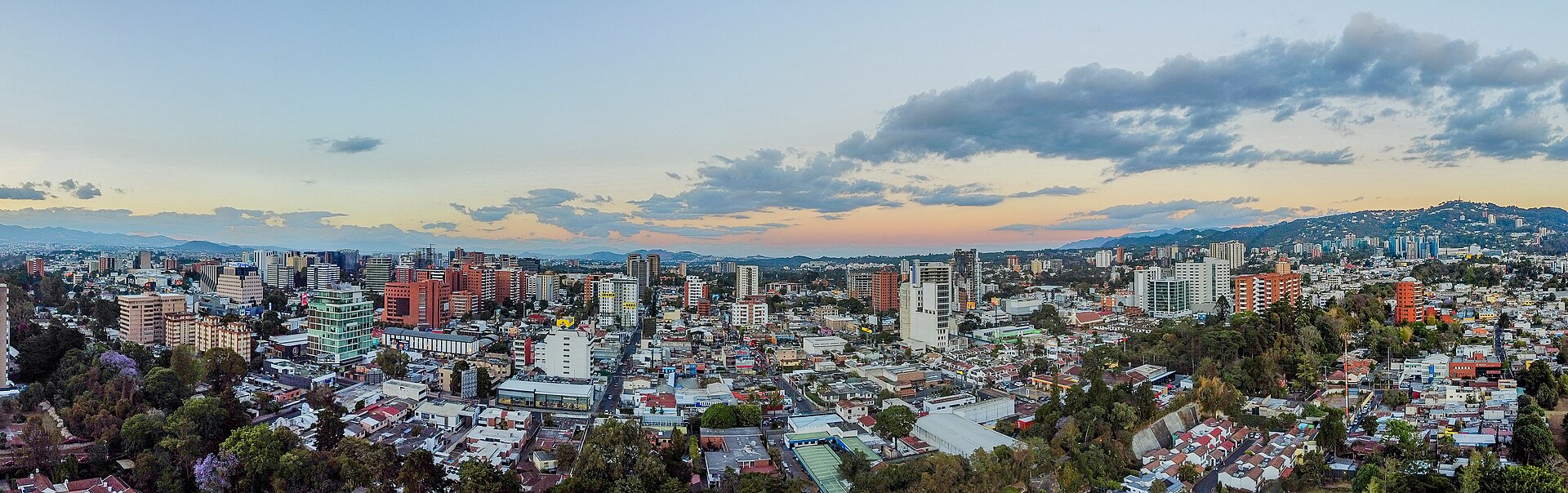
![Zona 10 Guatemala City: Stay, Eat & Go Out [2026]](/images/photos/zona-10-guatemala-city-aerial.jpg)