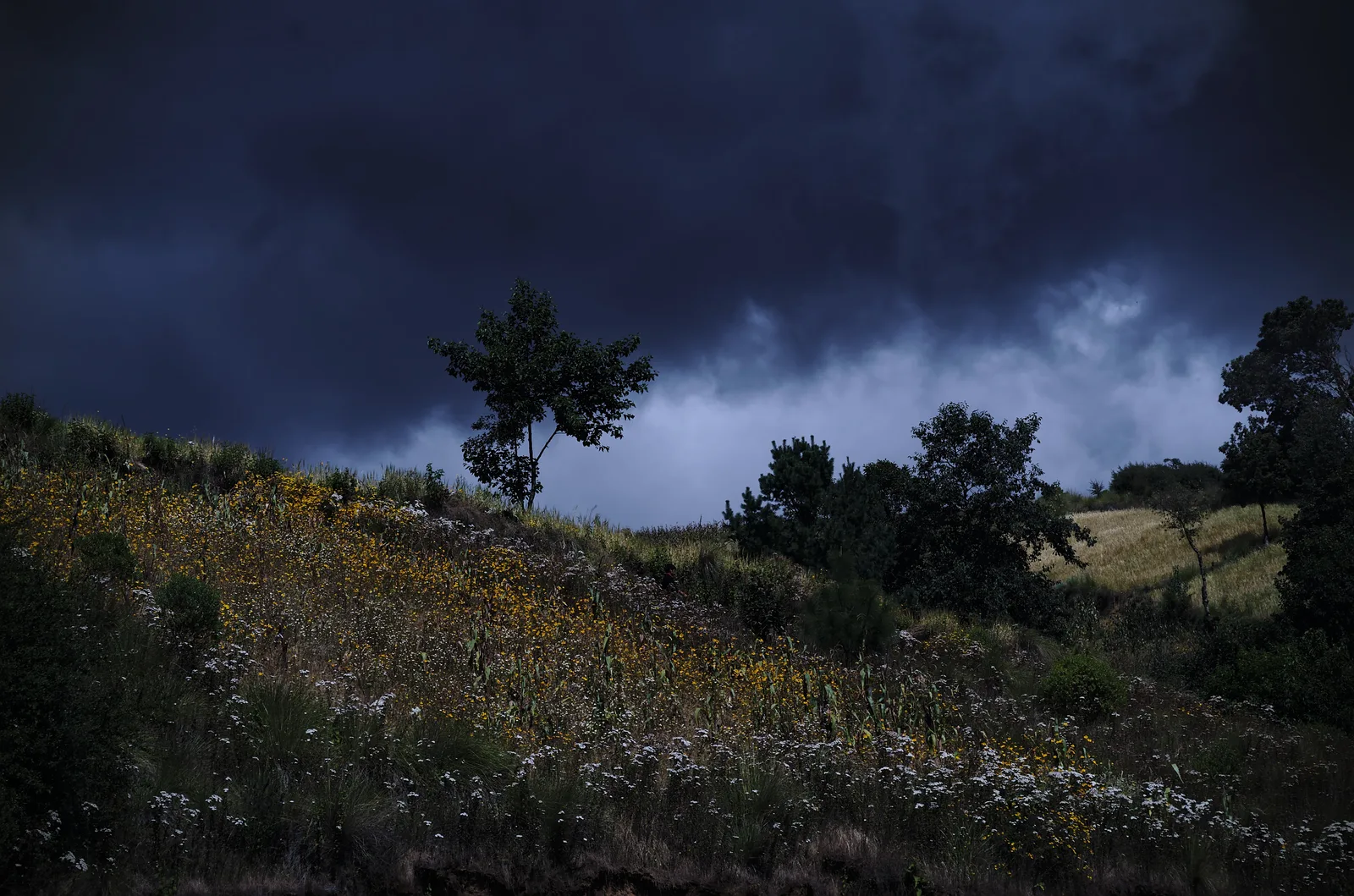
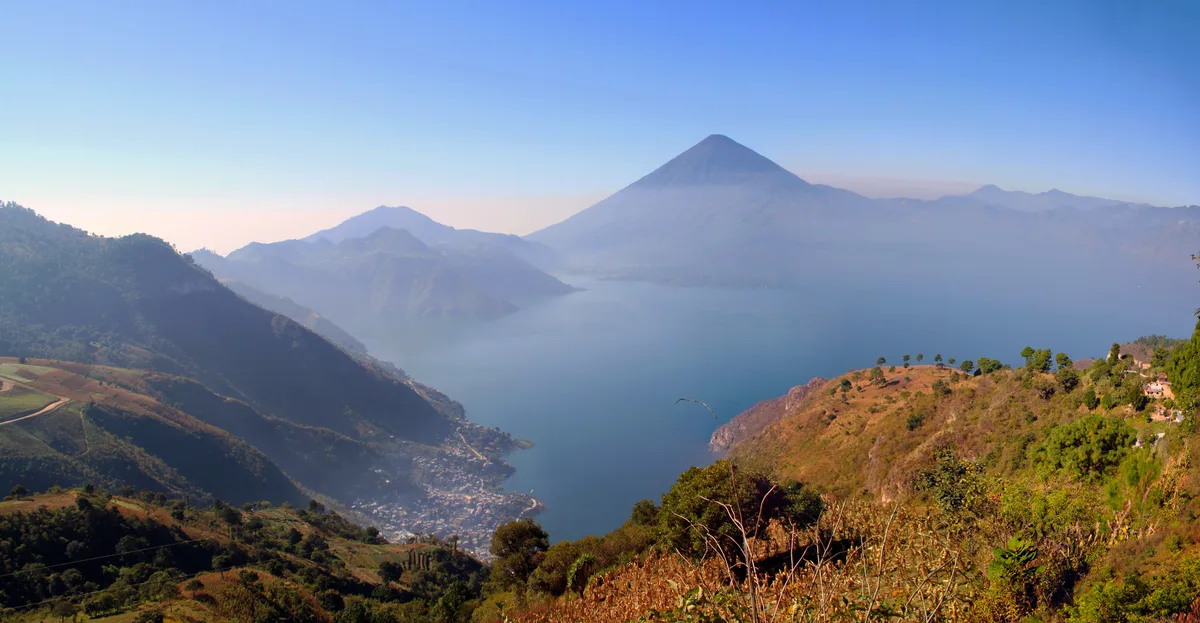
Guatemala does not have four seasons. We have two: dry and rainy. That distinction matters more than anything else when planning your trip, because the difference between a January visit and a September visit is not subtle – it is the difference between dusty cobblestones under blue sky and afternoon downpours that turn streets into rivers.
I have lived in Guatemala my entire life. I have driven through every department, hiked the volcanoes in both seasons, sat through hundreds of rainy afternoons, and navigated the chaos of Semana Santa crowds in Antigua more times than I can count. This guide is not recycled from other travel blogs. It is what I would tell a friend planning their first trip.
TL;DR: Visit January through March for the best combination of dry weather, comfortable temperatures, and reasonable prices. If you want the absolute cheapest trip, come September through November. Avoid Semana Santa week (late March/early April) unless you specifically want the cultural experience – and book months ahead if you do. The rainy season (May-October) is underrated: mornings are clear, prices drop 20-40%, and the landscape turns impossibly green.
Dry Season vs. Rainy Season: Quick Comparison
Before diving into the month-by-month breakdown, here is the big-picture view.
| Factor | Dry Season (Nov-Apr) | Rainy Season (May-Oct) |
|---|---|---|
| Weather | Sunny, low humidity, 23-28C highs | Morning sun, afternoon rain, 24-27C highs |
| Rainfall | 3-30mm/month | 150-270mm/month |
| Rainy Days | 1-5 per month | 16-21 per month |
| Crowds | Moderate to heavy | Light to empty |
| Hotel Prices | $40-80/night mid-range (Antigua) | $30-50/night mid-range (Antigua) |
| Flight Prices (US) | $300-600 depending on month | $250-400 |
| Volcano Hiking | Excellent – clear summit views | Cloudy, muddy trails, limited visibility |
| Photography | Golden light, clear skies | Dramatic clouds, lush green landscapes |
| Road Conditions | Good everywhere | Some rural roads flood or close |
| Pros | Predictable weather, best for hiking and ruins | Cheaper, fewer tourists, greener scenery |
| Cons | Higher prices, dusty lowlands, crowds at peak | Afternoon rain disrupts plans, some roads impassable |
Bottom line: Most visitors should target the dry season. Budget travelers and those who do not mind afternoon rain will find the rainy season rewarding and significantly cheaper.
Month-by-Month Breakdown
This is the core of the guide. Weather data is for the Guatemala City/Antigua highlands (1,500m elevation), which is where most visitors spend the majority of their trip. Coastal and Peten lowlands are hotter by 5-10C and wetter during the rainy season.
January
| Metric | Value |
|---|---|
| Avg High / Low | 24C / 12C |
| Rainfall | 3mm |
| Rainy Days | 1 |
| Tourist Crowds | Moderate |
| Hotel Price Range | $40-70/night (Antigua mid-range) |
| Flight Price (US) | $300-400 round trip |
Events: New Year’s celebrations carry into the first week. The dry season is fully established – skies are consistently clear and the air is crisp, especially in the highlands.
Verdict: One of the best months to visit. The holiday rush from December has faded, prices have normalized, and the weather is ideal. January is perfect for hiking volcanoes – Acatenango views are at their clearest. If you are a first-time visitor with flexibility, this is my top recommendation.
Best for: First-time visitors, hikers, photographers.
February
| Metric | Value |
|---|---|
| Avg High / Low | 25C / 12C |
| Rainfall | 5mm |
| Rainy Days | 1 |
| Tourist Crowds | Moderate |
| Hotel Price Range | $40-70/night (Antigua mid-range) |
| Flight Price (US) | $300-400 round trip |
Events: Dry season continues. February is the driest month alongside January. The highlands are warm during the day and cool at night – perfect sleeping weather without air conditioning.
Verdict: Tied with January as the best month overall. Slightly warmer, equally dry, and still not crowded. February is the month I recommend most to friends visiting from abroad. Flight prices have settled after the holiday spike and Semana Santa has not driven them up yet.
Best for: Everyone. This is the all-around sweet spot.
March
| Metric | Value |
|---|---|
| Avg High / Low | 27C / 14C |
| Rainfall | 10mm |
| Rainy Days | 2 |
| Tourist Crowds | Moderate to high (rising toward Semana Santa) |
| Hotel Price Range | $50-90/night (Antigua mid-range) |
| Flight Price (US) | $350-500 round trip |
Events: The warmest dry-season month. Late March often includes Semana Santa preparations, and if Holy Week falls in March, Antigua becomes packed. Lent processions begin on Sundays throughout the month.
Verdict: Excellent weather but watch the calendar. If Semana Santa falls in late March, the last week is peak season with peak prices. Book early March for the best of both worlds – warm, dry weather without the Holy Week premium.
Best for: Culture enthusiasts (Lent processions), warm-weather seekers.
April
| Metric | Value |
|---|---|
| Avg High / Low | 28C / 15C |
| Rainfall | 30mm |
| Rainy Days | 5 |
| Tourist Crowds | Very high (Semana Santa) then drops sharply |
| Hotel Price Range | $80-200+/night SS week, $40-60 after |
| Flight Price (US) | $400-600+ (SS), $300-400 (late April) |
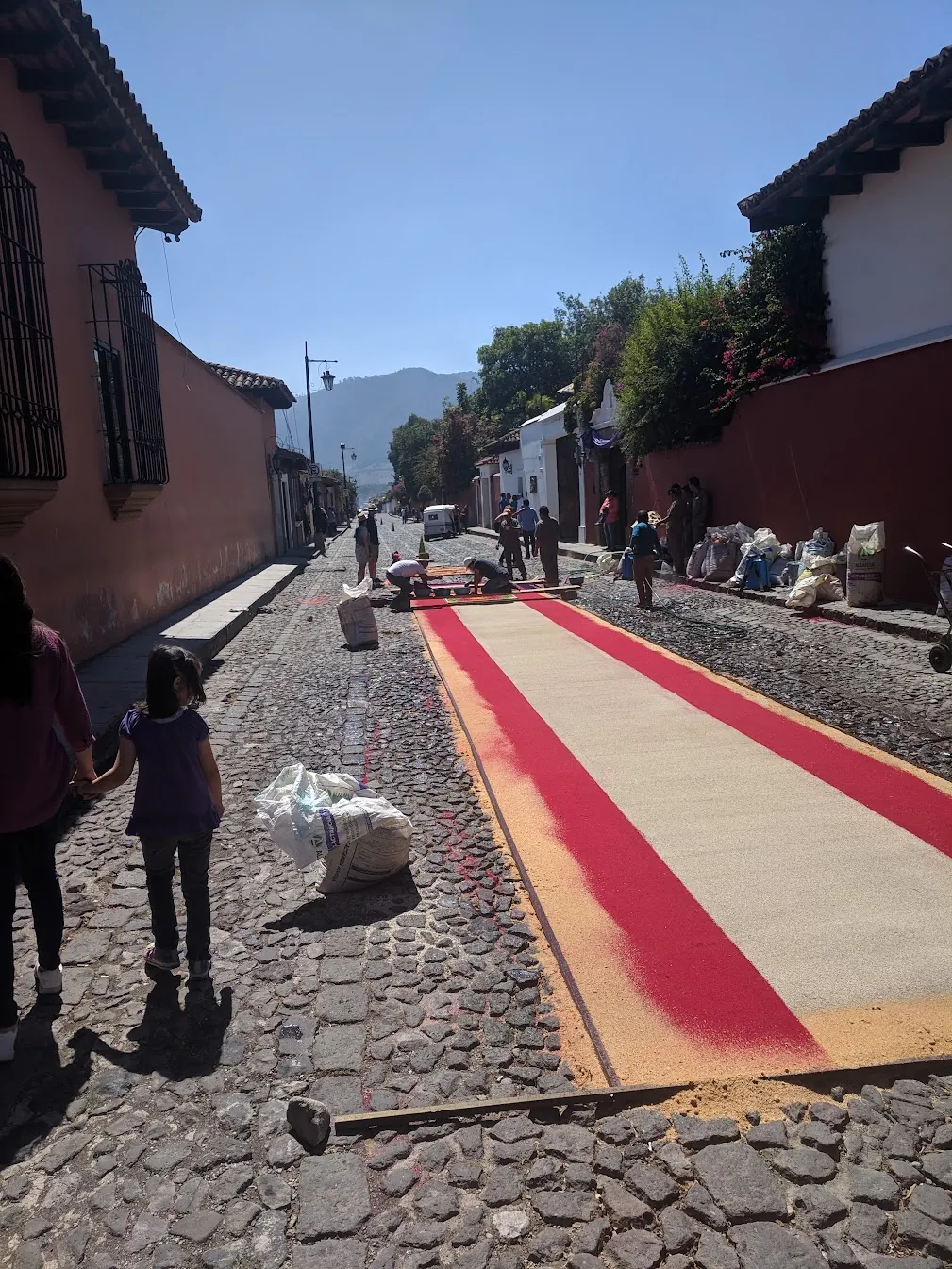
Events: Semana Santa dominates early April when it falls here (2026: March 29 - April 5). This is the single biggest cultural event of the year. Antigua’s cobblestone streets are covered in elaborate alfombras – intricate carpets made from dyed sawdust, flowers, and fruit. Processions carry massive floats through town for a full week. Late April marks the transition toward rainy season; you will start to see afternoon clouds building.
Verdict: Two very different experiences depending on timing. Semana Santa week is extraordinary but expensive and crowded – hotels in Antigua sell out months ahead and prices triple. After Easter, April is actually a great value: still mostly dry, prices drop immediately, and the crowds vanish overnight.
Best for: Cultural immersion (SS week), budget travelers (late April).
May
| Metric | Value |
|---|---|
| Avg High / Low | 27C / 16C |
| Rainfall | 150mm |
| Rainy Days | 16 |
| Tourist Crowds | Low |
| Hotel Price Range | $30-55/night (Antigua mid-range) |
| Flight Price (US) | $280-380 round trip |
Events: Rainy season begins. May 1 is Labor Day (public holiday). May 10 is Mother’s Day – one of Guatemala’s biggest celebrations, when restaurants fill up and markets explode with flowers. The landscape begins its transformation from dusty brown to vivid green.
Verdict: The first month of rain, but it has not hit full intensity yet. Mornings are still mostly clear. This is where the value play starts – prices drop noticeably and tourist crowds thin out. A solid choice if you do not mind adjusting your schedule around afternoon showers.
Best for: Budget travelers, anyone who enjoys fewer crowds.
June
| Metric | Value |
|---|---|
| Avg High / Low | 26C / 16C |
| Rainfall | 270mm |
| Rainy Days | 21 |
| Tourist Crowds | Low |
| Hotel Price Range | $30-50/night (Antigua mid-range) |
| Flight Price (US) | $280-380 round trip |
Events: June 30 is Army Day (Dia del Ejercito), a public holiday. The rainy season is now in full swing. This is the wettest month by rainfall volume. Rivers swell, waterfalls are at their most impressive, and the countryside is a deep, saturated green.
Verdict: Not ideal for first-time visitors, but there is a real appeal for repeat visitors and photographers. Semuc Champey and other waterfall destinations are at their most dramatic. Expect rain every afternoon, sometimes heavy. Road conditions in rural areas can deteriorate.
Best for: Waterfall chasers, repeat visitors, photographers.
July
| Metric | Value |
|---|---|
| Avg High / Low | 25C / 16C |
| Rainfall | 200mm |
| Rainy Days | 18 |
| Tourist Crowds | Moderate (US summer travelers) |
| Hotel Price Range | $35-60/night (Antigua mid-range) |
| Flight Price (US) | $350-500 round trip |
Events: The canicula (mid-summer dry spell) often brings a week or two of reduced rainfall in mid-to-late July – a well-known local phenomenon. The Rabin Ajau festival in Coban celebrates Q’eqchi’ Maya culture with traditional dress, music, and the crowning of a Maya queen. Guatemala’s ferias are in full swing across the country.
Verdict: The canicula break makes July more pleasant than June. Flight prices rise due to US summer vacation demand, but hotel prices in Guatemala stay reasonable. The Rabin Ajau festival is one of Guatemala’s most authentic cultural events – far less commercialized than Semana Santa. Worth timing your trip around if you are interested in Maya culture.
Best for: Families on summer break, cultural travelers.
August
| Metric | Value |
|---|---|
| Avg High / Low | 25C / 16C |
| Rainfall | 195mm |
| Rainy Days | 17 |
| Tourist Crowds | Moderate |
| Hotel Price Range | $35-60/night (Antigua mid-range) |
| Flight Price (US) | $350-500 round trip |
Events: Feria de Jocotenango (a neighborhood festival in Guatemala City) and the Feria de Agosto (Guatemala City’s official fair) bring rides, food, and concerts. August 15 is the feast of the Virgen de la Asuncion, Guatemala City’s patron saint – a public holiday.
Verdict: Similar to July in weather. The canicula may extend into early August, giving you a pocket of drier weather. Flight prices remain elevated due to summer demand, but it is still cheaper than Semana Santa or December. A reasonable option for families locked into summer schedules.
Best for: Families, Guatemalan cultural festivals.
September
| Metric | Value |
|---|---|
| Avg High / Low | 25C / 16C |
| Rainfall | 235mm |
| Rainy Days | 20 |
| Tourist Crowds | Very low |
| Hotel Price Range | $25-45/night (Antigua mid-range) |
| Flight Price (US) | $250-350 round trip |
Events: September 15 is Independence Day – one of Guatemala’s most patriotic celebrations. Students march in parades across every city and town. The torch relay (Antorcha) arrives from Central America on September 14. The rest of the month is deep rainy season.
Verdict: The cheapest month to visit Guatemala, period. Flights, hotels, and tours are all at rock-bottom prices. The trade-off is real: this is the second-wettest month, roads can flood, and some rural routes become difficult. But if you stick to the main tourist corridor (Guatemala City, Antigua, Atitlan), infrastructure holds up fine. The Independence Day celebrations are genuinely fun and you will be one of the only tourists there.
Best for: Extreme budget travelers, Independence Day.
October
| Metric | Value |
|---|---|
| Avg High / Low | 24C / 15C |
| Rainfall | 170mm |
| Rainy Days | 16 |
| Tourist Crowds | Very low |
| Hotel Price Range | $25-45/night (Antigua mid-range) |
| Flight Price (US) | $250-350 round trip |
Events: Rain begins to taper off in the second half of the month. Preparations for Dia de los Muertos (November 1) begin in late October, with markets filling up with ceremonial items and kite-making supplies.
Verdict: A transitional month. Early October still feels like rainy season; late October starts to feel like the dry season is approaching. Prices remain at their lowest. If you can time it for the last two weeks of October, you get the budget benefits of rainy season with improving weather. A good lead-in to the November 1 celebrations.
Best for: Budget travelers, lead-in to Day of the Dead.
November
| Metric | Value |
|---|---|
| Avg High / Low | 24C / 13C |
| Rainfall | 25mm |
| Rainy Days | 4 |
| Tourist Crowds | Low to moderate |
| Hotel Price Range | $35-55/night (Antigua mid-range) |
| Flight Price (US) | $270-380 round trip |
Events: November 1 is Dia de los Muertos – Guatemala’s version involves giant kites (barriletes gigantes) in Sumpango and Santiago Sacatepequez. Kites reach 12+ meters in diameter and the tradition is unique to Guatemala. All Saints’ Day fills cemeteries with families, food, and music. The dry season officially begins and the skies clear.
Verdict: The best-value month in Guatemala. Dry season weather returns, prices have not caught up yet, and the giant kite festival on November 1 is one of the most spectacular events in the country. This is my pick for the best month for budget-conscious travelers who still want good weather.
Best for: Best value overall, Day of the Dead, dry season on a budget.
December
| Metric | Value |
|---|---|
| Avg High / Low | 23C / 12C |
| Rainfall | 6mm |
| Rainy Days | 2 |
| Tourist Crowds | High (holiday season) |
| Hotel Price Range | $50-100/night (Antigua mid-range) |
| Flight Price (US) | $400-600+ round trip |
Events: December 7 is Quema del Diablo (Burning of the Devil) – Guatemalans burn devil effigies and old junk in bonfires on every street corner to “purify” their homes before Christmas. December 21 is the Fiesta de Santo Tomas in Chichicastenango, with the famous Palo Volador (pole dance) ritual. Christmas and New Year’s bring fireworks that make the 4th of July look tame – the midnight displays on December 24 and 31 are citywide and intense. Check our holidays calendar for exact dates.
Verdict: Beautiful weather, but peak holiday pricing on flights and hotels. If you are coming from the US, December flights are the most expensive of the year. The cultural experiences are worth it if budget is not the primary concern – Quema del Diablo and Guatemalan Christmas are unlike anything you have experienced elsewhere.
Best for: Holiday travelers, cultural immersion, those with flexible budgets.
Annual Weather Summary
| Month | Avg High (C) | Avg Low (C) | Rainfall (mm) | Rainy Days | Season |
|---|---|---|---|---|---|
| Jan | 24 | 12 | 3 | 1 | Dry |
| Feb | 25 | 12 | 5 | 1 | Dry |
| Mar | 27 | 14 | 10 | 2 | Dry |
| Apr | 28 | 15 | 30 | 5 | Dry (transition) |
| May | 27 | 16 | 150 | 16 | Rainy |
| Jun | 26 | 16 | 270 | 21 | Rainy (wettest) |
| Jul | 25 | 16 | 200 | 18 | Rainy (canicula break) |
| Aug | 25 | 16 | 195 | 17 | Rainy |
| Sep | 25 | 16 | 235 | 20 | Rainy |
| Oct | 24 | 15 | 170 | 16 | Rainy (tapering) |
| Nov | 24 | 13 | 25 | 4 | Dry |
| Dec | 23 | 12 | 6 | 2 | Dry |
Data for Guatemala City area (1,500m elevation). Coastal lowlands are 5-10C warmer. Peten is hotter and more humid. Check our weather page for current conditions.
Best Month by Travel Style
Not everyone wants the same thing from a Guatemala trip. Here is my recommendation based on what you are prioritizing.
| Travel Style | Best Months | Why |
|---|---|---|
| Budget travelers | Sep-Nov | Cheapest flights ($250-350), lowest hotel rates, November adds dry weather |
| Families | Jul-Aug, Dec | Aligns with school breaks; Jul-Aug has canicula dry spell |
| Hiking and adventure | Jan-Mar | Driest trails, clearest volcano summit views, best for Acatenango |
| Culture and festivals | Apr (SS), Nov (kites), Sep 15 | Semana Santa, giant kites, Independence Day |
| Digital nomads | Jan-Mar | Best weather for cafe-hopping in Antigua, reliable internet, comfortable temps |
| Photographers | Nov-Feb (dry light), Jun-Jul (green) | Dry season for golden light; rainy for dramatic skies and saturated landscapes |
| Beach and surf | Nov-Apr | Pacific coast is hot year-round, but roads and boat access to coast are better in dry season |
| Birdwatching | Mar-May | Migratory species peak, quetzals nesting in cloud forests; see our birdwatching guide |
Regional Differences: Why Location Matters
Guatemala is roughly the size of Tennessee, but the climate varies dramatically by elevation and region. The month-by-month data above applies to the central highlands where most visitors spend their time. Here is how other regions compare.
Highlands (Guatemala City, Antigua, Lake Atitlan, Xela)
- Elevation: 1,200-2,500m
- Character: Spring-like year-round. Cool nights (10-14C), warm days (22-28C). Most comfortable climate in the country.
- Rain pattern: Afternoon showers May-October, dry November-April. Rain rarely lasts more than 2-3 hours.
- Best time: November through March.
Pacific Lowlands (Monterrico, Escuintla, Retalhuleu)
- Elevation: 0-300m
- Character: Hot and humid year-round. Daytime temps 30-36C. The coast never gets “cold.”
- Rain pattern: Heavier and longer rain events during May-October. Coastal flooding possible in September-October.
- Best time: November through April. December weekends are popular with Guatemalan families.
Peten (Tikal, Flores, El Remate)
- Elevation: 100-300m
- Character: Tropical jungle. Hot and humid year-round (30-38C). The most extreme climate in Guatemala.
- Rain pattern: Wet season is brutal – trails flood, humidity is oppressive. February through April is the driest window.
- Best time: February through April. If visiting Tikal, target these months for the best experience. The jungle canopy blocks some rain, but muddy trails make rainy-season visits challenging.
Verapaces (Coban, Semuc Champey, Lanquin)
- Elevation: 300-1,400m
- Character: Cloud forest. Cooler than the coast but warmer than the highlands. Perpetually misty. Coban has a local saying: “chipi chipi” for the constant light drizzle.
- Rain pattern: The Verapaces get rain year-round – even in “dry” season, expect drizzle. May-October is wetter, but the difference is less dramatic than in other regions.
- Best time: March through May. Semuc Champey’s turquoise pools are best when water levels are moderate. In heavy rainy season, the river turns brown.
| Region | Dry Season Temp (C) | Rainy Season Temp (C) | Annual Rainfall (mm) | Driest Months |
|---|---|---|---|---|
| Highlands | 22-28 / 10-14 | 22-27 / 14-16 | ~1,200 | Dec-Mar |
| Pacific Coast | 30-36 / 22-25 | 28-34 / 22-25 | ~2,000 | Dec-Mar |
| Peten | 30-38 / 18-22 | 28-35 / 20-24 | ~1,600 | Feb-Apr |
| Verapaces | 22-28 / 14-18 | 20-26 / 16-20 | ~2,400 | Mar-May |
Practical Tips
What to Pack by Season
Dry season (November-April):
- Light layers (t-shirts, one light jacket for highland evenings)
- Comfortable walking shoes (cobblestones in Antigua destroy cheap sandals)
- Sunscreen and sunglasses (UV is strong at altitude)
- Reusable water bottle
Rainy season (May-October):
- Everything above, plus:
- Packable rain jacket or poncho (you will use it daily)
- Quick-dry pants and shoes (avoid cotton)
- Waterproof bag or dry sack for electronics
- Insect repellent (mosquitoes increase with rain, especially in lowlands)
Booking Timeline
| When to Book | What |
|---|---|
| 3-6 months ahead | Semana Santa hotels in Antigua, December holiday flights |
| 1-2 months ahead | Dry season hotels, domestic tours |
| 2-4 weeks ahead | Rainy season travel (plenty of availability) |
| Last minute | Rainy season hotels (walk-in rates are often cheapest) |
Flight Prices from the US (Round Trip)
| Period | Price Range | Notes |
|---|---|---|
| Sep-Nov | $250-350 | Cheapest. Airlines discount to fill seats. |
| Jan-Feb | $300-400 | Good value. Post-holiday dip. |
| May-Jun | $280-380 | Rainy season discounts starting. |
| Mar-Apr | $400-600+ | Semana Santa premium. Book early. |
| Jul-Aug | $350-500 | US summer demand spike. |
| Dec | $400-600+ | Holiday premium. Most expensive month. |
Prices based on major US hubs (Miami, Houston, Dallas, LAX) to Guatemala City (GUA). Check our flights page for current deals.
Hotel Prices by Season (Antigua, Mid-Range)
| Season | Nightly Rate | Notes |
|---|---|---|
| Dry season | $40-80 | Standard rates. Book 2+ weeks ahead for weekends. |
| Rainy season | $30-50 | Walk-in rates common. Negotiate for multi-night stays. |
| Semana Santa week | $80-200+ | Book 2-3 months ahead. Many places require 3-night minimum. |
| December holidays | $50-100 | Elevated but not extreme. Guatemalan families drive demand. |
| Budget hostels | $8-15 | Year-round. Dorms are always cheap. |
The Bottom Line
If you have total flexibility, come in February. The weather is perfect, prices are moderate, crowds are manageable, and you avoid the Semana Santa spike.
If you are on a budget, target November. The rain has stopped, the dry season is beginning, prices have not caught up, and you can catch the giant kite festival on November 1.
If you want the single most memorable cultural experience, come for Semana Santa – but book early and bring your patience along with your wallet.
And if you end up coming during the rainy season? You will be fine. Mornings are clear, the country is at its most beautiful in green, and you will have the place to yourself.
Related Resources
- Guatemala Weather Dashboard – current conditions and forecasts
- Rainy Season in Guatemala: What to Actually Expect
- Guatemala Holidays and Public Holidays 2026
- Ferias and Local Festivals
- Cost of Living in Guatemala: City-by-City Breakdown
- Safety in Guatemala
- Hiking Guatemala’s Volcanoes
- Best Cafes with WiFi in Antigua
- Flights to Guatemala
- Exchange Rates