![Best Places for Remote Workers in Guatemala [2026 Ranked]](/images/photos/guatemala-city-skyline-zona10.jpg)
I’ve been working remotely from Guatemala for years now. During that time, I’ve tested internet connections in cafes from Antigua to Flores, burned through Tigo and Claro plans in places where neither worked well, and found the spots where you can actually hold a video call without freezing every 30 seconds.
This is my ranked guide to the best places in Guatemala for remote workers in 2026 — with real internet scores, monthly budgets, and coworking options for each location.
TL;DR: Antigua is the best all-around base for remote workers — fiber internet up to 300 Mbps, $1,000-1,400/month budget, and multiple coworking spaces. Guatemala City Zones 10/16 win on speed (up to 500 Mbps). Lake Atitlan and Xela are the budget picks under $800/month.
Why Guatemala for Remote Work?
Before we get into specific locations, here’s why Guatemala is on the radar for remote workers:
- CST timezone (UTC-6): Perfect overlap with US business hours. You’re in Central Time, which means 9-5 syncs with clients in New York, Chicago, and LA without waking up at 4am.
- Low cost of living: A comfortable lifestyle runs $800-1,400/month depending on location — including rent, food, internet, and going out. Our full cost of living breakdown compares 6 cities side by side.
- Fiber internet available: Guatemala City and Antigua now have fiber options up to 500 Mbps from Tigo and Claro. Even mid-tier towns get 50-150 Mbps cable. See our complete internet guide for provider details and pricing.
- Uber and InDrive: Available throughout Guatemala City and expanding. No need to negotiate taxi fares.
- Growing digital nomad community: Especially in Antigua and Lake Atitlan, where coworking spaces and nomad-friendly cafes have exploded in the last two years.
Quick Comparison Table
Here’s how the top 8 locations stack up, using data from our interactive map:
Prices verified February 2026. See our exchange rates page for today’s USD/GTQ rate.
| Rank | Location | Internet Score | Safety | Monthly Budget | Best For |
|---|---|---|---|---|---|
| 1 | Antigua Guatemala | 65/100 | 6/10 | $1,000-1,400 | Balanced lifestyle |
| 2 | GC Zones 10/14 | 80/100 | 8-9/10 | $1,200-1,800 | Fast internet, business |
| 3 | Panajachel / Lake Atitlan | 30/100 | 7/10 | $600-900 | Scenic, budget nomads |
| 4 | Quetzaltenango (Xela) | 55/100 | 7/10 | $550-800 | Affordable, cultural |
| 5 | Flores / Santa Elena | 25/100 | 5/10 | $500-750 | Adventure base |
| 6 | GC Zones 15/16 | 80-100/100 | 9/10 | $1,200-2,000 | Families, premium |
| 7 | Coban | 30/100 | 8/10 | $400-600 | Budget, nature |
| 8 | Puerto Barrios / Livingston | 30/100 | 3/10 | $450-650 | Caribbean, off-grid |
Internet score reflects available infrastructure (fiber, cable, wireless). Higher = more reliable options. Safety rated 1-10 (10 = safest). Monthly budget = comfortable single person including rent.
1. Antigua Guatemala — The Remote Worker’s Sweet Spot
Internet Score: 65/100 | Safety: 6/10 | Monthly Budget: $1,000-1,400
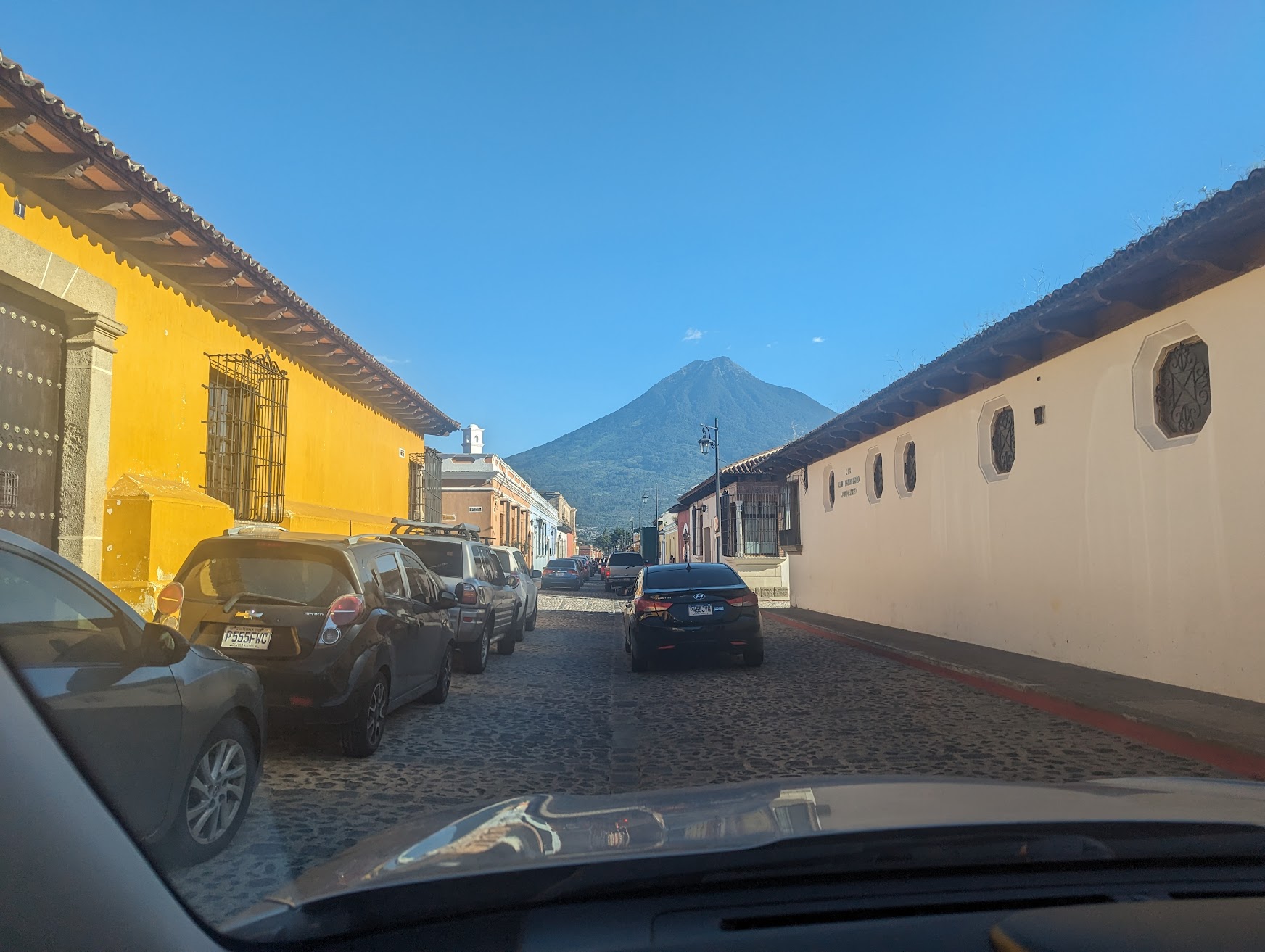
Antigua is the default recommendation for a reason. It’s a UNESCO World Heritage city with cobblestone streets, three volcanoes on the skyline, and an established expat community that keeps the cafe wifi fast and the coworking spaces full.
Internet Situation
Antigua falls in the “Premium Fiber” tier. Tigo and Claro both offer fiber connections in the central area, with speeds up to 150-300 Mbps. Most cafes and restaurants offer free wifi in the 15-40 Mbps range — enough for video calls in a pinch, but not for uploading large files.
My advice: Get your own apartment with a dedicated Tigo or Claro fiber line. Budget Q235/month ($30) for 150 Mbps from Tigo or Q229/month ($30) for 120 Mbps from Claro. Always buy your own router — the ones ISPs provide are terrible.
Coworking Spaces
Antigua has the most developed coworking scene outside the capital:
- Impact Hub Antigua — The most established space. Day passes and monthly memberships available. Good community events.
- Selina Antigua — Part of the global nomad-hotel chain. Coworking included with stays, or available as day passes.
- Cafe culture — Dozens of cafes cater to laptop workers. Fernando’s Kaffee, Cafe Sky, and Rainbow Cafe are popular picks with reliable wifi and no purchase-per-hour pressure.
Monthly Budget Breakdown
| Expense | Budget | Comfortable | Luxury |
|---|---|---|---|
| Rent (1BR) | $300 | $600 | $1,200 |
| Groceries | $100 | $200 | $350 |
| Eating out | $40 | $80 | $180 |
| Transport | $10 | $30 | $80 |
| Utilities | $30 | $65 | $120 |
| Internet | $30 | $30 | $66 |
| Phone | $13 | $13 | $30 |
| Entertainment | $25 | $50 | $120 |
| Total | $548 | $1,068 | $2,146 |
Pros and Cons
Pros: Walkable colonial center, strong cafe culture, active expat community, fiber internet available, volcano hikes on weekends, excellent coffee (this is the Antigua coffee region), plenty of restaurants and bars, Spanish schools everywhere.
Cons: Tourist prices on everything (search in Spanish to save 30-50%), weekend crowds from Guatemala City visitors, limited parking, gets repetitive after a few months if you don’t explore the surrounding villages. Check our Guatemala safety guide for Antigua’s neighborhood-level breakdown.
Local tip: Search for apartments on Facebook groups in Spanish (“apartamento alquiler Antigua”), not on English-language expat sites. Prices can be 30-50% lower.
2. Guatemala City — Zones 10 and 14
Internet Score: 80/100 | Safety: 8-9/10 | Monthly Budget: $1,200-1,800
If you need the fastest internet in the country and don’t mind trading cobblestone charm for urban convenience, Guatemala City’s Zona 10 and Zona 14 are where you want to be.
Internet Situation
This is Guatemala’s internet capital. Zone 10 scores 80/100 and Zone 14 matches it. Both have full fiber coverage from Tigo (up to 500 Mbps) and Claro (up to 300 Mbps, with 5G in select areas). Upload speeds are symmetrical on fiber plans — critical for video calls and cloud syncing.
Zone 16 (Cayala) technically scores even higher at 100/100, but I’m covering that separately below.
Coworking Spaces
Guatemala City has the most coworking options in the country:
- Campus Tec — Modern space in Zone 10 with high-speed fiber, meeting rooms, and a startup community.
- ImpactHub Guatemala — Social enterprise focused coworking in Zone 10. Events and networking.
- WeWork-style spaces in Oakland Mall / Zona Pradera — Several smaller spaces cater to freelancers and remote workers.
- Zona 4 (4 Grados Norte) — The hipster district just north of Zone 10 has cafe-coworking hybrids and an art scene. Safety: 7/10, Internet: 55/100, Cost: $700/month.
Monthly Budget Breakdown (Zone 10)
| Expense | Budget | Comfortable | Luxury |
|---|---|---|---|
| Rent (1BR) | $420 | $750 | $1,500 |
| Groceries | $120 | $250 | $400 |
| Eating out | $40 | $80 | $200 |
| Transport | $15 | $50 | $120 |
| Utilities | $35 | $76 | $150 |
| Internet | $30 | $30 | $66 |
| Phone | $13 | $13 | $30 |
| Entertainment | $30 | $60 | $150 |
| Total | $703 | $1,309 | $2,616 |
Pros and Cons
Pros: Best internet in the country, Uber and InDrive everywhere, international restaurants, shopping malls, embassies nearby, movie theaters, gyms, modern apartments.
Cons: Traffic is brutal (plan around rush hours), air pollution, not walkable beyond your immediate zone, the “most expensive” zone in GC, tourist/expat pricing in Zone 10, can feel generic compared to Antigua.
3. Panajachel & Lake Atitlan
Internet Score: 30/100 | Safety: 7/10 | Monthly Budget: $600-900
Lake Atitlan is where the digital nomad dream meets reality. The scenery is jaw-dropping — Aldous Huxley called it “the most beautiful lake in the world” — but the internet will test your patience.
Internet Situation
This is the biggest trade-off. Solola department scores 30/100 on internet infrastructure. In Panajachel, you can get Tigo cable at 30-50 Mbps on a good day. San Pedro, San Marcos, and other lakeside villages rely heavily on mobile data and Starlink.
Starlink is a game-changer here. At Q345-510/month (~$45-66) with Q1,600 hardware cost, it’s the most reliable option for serious remote work around the lake. Several cafes and hostels now run on Starlink.
Coworking Spaces
- Selina Atitlan (Panajachel) — Coworking + accommodation. The most reliable internet on the lake.
- The Beehive (San Pedro La Laguna) — Nomad-focused coworking with fast wifi and community events.
- Various cafe-workspaces — Panajachel’s Calle Santander has several cafes that tolerate laptop workers. Quality varies.
Monthly Budget Breakdown
| Expense | Budget | Comfortable | Luxury |
|---|---|---|---|
| Rent (1BR) | $100 | $350 | $700 |
| Groceries | $80 | $170 | $300 |
| Eating out | $25 | $50 | $100 |
| Transport | $8 | $20 | $50 |
| Utilities | $20 | $45 | $80 |
| Internet | $30 | $35 | $66 |
| Phone | $13 | $13 | $30 |
| Entertainment | $15 | $35 | $80 |
| Total | $291 | $718 | $1,406 |
Pros and Cons
Pros: Stunning natural beauty, incredibly affordable (the cheapest option on this list), strong yoga/wellness community, hiking everywhere, multiple lakeside villages with different vibes, boat transportation between towns, very safe (7/10).
Cons: Internet is unreliable outside Panajachel, boat-dependent travel between villages, cold nights at 2,114m elevation, power outages during rainy season, limited nightlife (unless San Pedro’s your scene).
Local tip: If you’re serious about remote work at the lake, get a place in Panajachel (best infrastructure) and buy a Starlink as backup. The cost pays for itself in avoided frustration.
4. Quetzaltenango (Xela)
Internet Score: 55/100 | Safety: 7/10 | Monthly Budget: $550-800
Xela is Guatemala’s best-kept secret for remote workers who want authenticity over tourism. It’s the country’s second-largest city with a university culture, dozens of Spanish schools, and prices that make Antigua look expensive.
Internet Situation
Xela scores 55/100 — solidly in the “Fiber available” tier. Tigo and Claro have fiber in the central zones, with cable/HFC in the surrounding neighborhoods. Expect 50-150 Mbps on a dedicated line. It’s not Guatemala City speed, but it handles video calls and cloud work without issues.
Coworking Spaces
Xela’s coworking scene is smaller but growing:
- Cafe Red — The closest thing to a dedicated coworking space, popular with language students and remote workers.
- Cafe culture — Xela has excellent coffee shops. Cafe Baviera and Chocolate Dorado are reliable spots for working.
- Spanish school common areas — Many of Xela’s language schools (Celas Maya, ICA, Pop Wuj) have shared spaces where students and remote workers mingle.
Monthly Budget Breakdown
| Expense | Budget | Comfortable | Luxury |
|---|---|---|---|
| Rent (1BR) | $200 | $400 | $600 |
| Groceries | $90 | $180 | $300 |
| Eating out | $30 | $55 | $110 |
| Transport | $10 | $25 | $60 |
| Utilities | $25 | $55 | $90 |
| Internet | $30 | $30 | $66 |
| Phone | $13 | $13 | $30 |
| Entertainment | $15 | $35 | $80 |
| Total | $413 | $793 | $1,336 |
Pros and Cons
Pros: Very affordable (rent under $400 for a nice place), strong local culture, excellent Spanish schools, cool highland climate (2,330m elevation — you’ll need a jacket), low crime (7/10 safety, only 8 homicides per 100K), hot springs nearby (Fuentes Georginas), great weekend hikes (Tajumulco, Chicabal).
Cons: Cold weather year-round (pack warm clothes), less English spoken (which is a pro if you’re learning Spanish), far from the coast or Guatemala City (4-hour drive), fewer international restaurants, smaller expat community.
5. Flores / Santa Elena (Peten)
Internet Score: 25/100 | Safety: 5/10 | Monthly Budget: $500-750
Flores is for the adventurous remote worker who wants to live next to Tikal and doesn’t mind being truly off the beaten path. The charming island town on Lake Peten Itza is improving its infrastructure, but it’s still frontier territory for internet.
Internet Situation
Peten scores 25/100 — firmly in the “Starlink Recommended” tier. Tigo mobile data is available, Claro 4G works in Flores and Santa Elena proper, but fixed broadband options are limited. Several hotels and restaurants now have Starlink, which is honestly the only reliable option for daily video calls.
Monthly Budget Breakdown
| Expense | Budget | Comfortable | Luxury |
|---|---|---|---|
| Rent (1BR) | $200 | $450 | $800 |
| Groceries | $80 | $160 | $280 |
| Eating out | $25 | $50 | $100 |
| Transport | $10 | $30 | $70 |
| Utilities | $20 | $50 | $90 |
| Internet | $35 | $45 | $66 |
| Phone | $13 | $13 | $30 |
| Entertainment | $15 | $30 | $70 |
| Total | $398 | $828 | $1,504 |
Pros and Cons
Pros: Tikal and El Mirador on your doorstep, affordable, unique island-town vibe in Flores, Lake Peten Itza for swimming and kayaking, less touristy than Antigua or Atitlan, incredibly safe from petty crime within Flores island itself.
Cons: Internet is the weakest on this list (25/100), very hot and humid at 127m elevation, long travel times to anywhere else (domestic flights or 8+ hour buses), limited dining and nightlife, seasonal flooding, safety is mixed (5/10 for the department overall — port areas have issues).
6. Guatemala City — Zones 15 and 16 (Cayala)
Internet Score: 80-100/100 | Safety: 9/10 | Monthly Budget: $1,200-2,000
If your priority is safety and internet speed above everything else, Zones 15 and 16 are Guatemala’s premium residential districts. Zone 16’s Cayala development scores a perfect 100/100 on internet — the only location in the country at that level.
Internet Situation
Zone 15 scores 80/100 with full fiber coverage. Zone 16 (Cayala) hits 100/100 — the entire development was built with fiber infrastructure from day one. You can get symmetrical 500 Mbps from Tigo. It’s the closest Guatemala gets to Silicon Valley-grade internet.
Why Choose This Over Zone 10?
Zone 10 is the social hub — restaurants, bars, embassies. Zones 15/16 are where you go for quiet, family-friendly residential living with maximum security. Cayala is a walkable mixed-use development with restaurants, shops, and a town square, all within a gated perimeter with 24/7 security.
Monthly Budget Breakdown (Zone 16 — Cayala)
| Expense | Budget | Comfortable |
|---|---|---|
| Rent (1BR) | $700 | $1,300+ |
| Internet | $30 | $66 |
| All other expenses | $350 | $600 |
| Total | $1,080 | $1,966+ |
Pros and Cons
Pros: Highest internet scores in the country (80-100), safest zones in Guatemala (9/10), gated communities, walkable Cayala town center, premium grocery stores, modern gyms, excellent for families.
Cons: The most expensive option on this list ($1,300/month rent for a comfortable 1BR in Cayala), car-dependent outside the Cayala bubble, isolated from the “real” Guatemala, can feel like a gated suburban compound, far from downtown cultural attractions.
7. Coban (Alta Verapaz)
Internet Score: 30/100 | Safety: 8/10 | Monthly Budget: $400-600
Coban is the dark horse on this list. It’s the capital of Alta Verapaz, a coffee-growing region with cloud forests, caves, and Guatemala’s highest safety score at 8/10 (only 5 homicides per 100K). If you want the cheapest and safest option and can tolerate weaker internet, Coban delivers.
Internet Situation
Alta Verapaz scores 30/100 — cable/HFC territory. Tigo and Claro have cable service in the city center with speeds around 30-80 Mbps. Outside the city, you’re looking at mobile data or Starlink. It works for remote work, but don’t expect to stream 4K while on a Zoom call.
Monthly Budget Breakdown
| Expense | Budget | Comfortable | Luxury |
|---|---|---|---|
| Rent (1BR) | $150 | $350 | $600 |
| Groceries | $75 | $150 | $250 |
| Eating out | $20 | $40 | $80 |
| Transport | $8 | $20 | $50 |
| Utilities | $20 | $40 | $70 |
| Internet | $30 | $35 | $66 |
| Phone | $13 | $13 | $30 |
| Entertainment | $10 | $20 | $50 |
| Total | $326 | $668 | $1,196 |
Pros and Cons
Pros: Safest department in Guatemala (8/10), cheapest option at $326-668/month, Semuc Champey and cloud forests nearby, cool climate at 1,320m, authentic Guatemalan culture (very few tourists), excellent local coffee (this is coffee country), Rabin Ajau festival in July.
Cons: Very rainy (Alta Verapaz is one of the wettest regions in Central America), limited coworking spaces, smaller expat community (close to zero), internet is functional but not fast (30/100), muddy roads in rainy season, remote location.
8. Puerto Barrios & Livingston (Izabal)
Internet Score: 30/100 | Safety: 3/10 | Monthly Budget: $450-650
This is the wildcard pick. Guatemala’s Caribbean coast offers something no other location on this list has — Garifuna culture, coconut-flavored cuisine, reggae music, and a laid-back Caribbean vibe. But the infrastructure challenges are real.
Internet Situation
Izabal scores 30/100. Puerto Barrios has Tigo and Claro cable service, but speeds are inconsistent. Livingston — accessible only by boat — is essentially a Starlink-or-nothing situation. If you’re working remotely from Livingston, budget $45-66/month for Starlink and accept that video calls may be your biggest challenge.
Monthly Budget Breakdown
| Expense | Budget | Comfortable | Luxury |
|---|---|---|---|
| Rent (1BR) | $150 | $300 | $550 |
| Groceries | $80 | $150 | $250 |
| Eating out | $22 | $45 | $90 |
| Transport | $10 | $25 | $55 |
| Utilities | $25 | $50 | $85 |
| Internet | $30 | $35 | $66 |
| Phone | $13 | $13 | $30 |
| Entertainment | $15 | $30 | $65 |
| Total | $345 | $648 | $1,191 |
Pros and Cons
Pros: Unique Garifuna culture found nowhere else in Guatemala, Caribbean beaches (Playa Blanca), affordable, seafood (tapado is incredible), Rio Dulce river trips, warm year-round, truly off the beaten path.
Cons: Lowest safety score on this list (3/10 — port area crime is real), internet is weak (Starlink needed for serious work), Livingston is boat-access only, hot and humid year-round at sea level, very limited expat community, limited coworking options (essentially none).
Internet Comparison Deep Dive
For remote workers, internet is the make-or-break factor. Here’s a detailed comparison:
| Location | Score | Best Provider | Max Speed | Type | Monthly Cost |
|---|---|---|---|---|---|
| GC Zone 16 (Cayala) | 100 | Tigo Fiber | 500 Mbps | Fiber | Q235 (~$30) |
| GC Zones 10/14/15 | 80 | Tigo/Claro | 300-500 Mbps | Fiber | Q229-235 (~$30) |
| Antigua | 65 | Tigo Fiber | 150-300 Mbps | Fiber | Q235 (~$30) |
| Xela | 55 | Tigo/Claro | 50-150 Mbps | Fiber/Cable | Q235 (~$30) |
| Panajachel | 30 | Starlink | 50-200 Mbps | Satellite | Q345-510 (~$45-66) |
| Coban | 30 | Tigo Cable | 30-80 Mbps | Cable | Q200 (~$26) |
| Izabal | 30 | Starlink | 50-200 Mbps | Satellite | Q345-510 (~$45-66) |
| Flores | 25 | Starlink | 50-200 Mbps | Satellite | Q345-510 (~$45-66) |
For the full breakdown of ISP providers, plans, and prices, see the Complete Internet Guide for Guatemala.
See internet speeds on our interactive map
My Recommendation by Worker Type
Freelancer with US clients (needs reliable video calls): Go to Antigua or Guatemala City Zone 10. The fiber internet is solid, the timezone alignment is perfect, and the coworking options are there when you need a change of scenery.
Budget digital nomad (under $700/month): Xela or Lake Atitlan. Xela gives you better internet; the lake gives you better scenery. Both are incredibly affordable.
Startup founder or tech worker (needs maximum speed): Guatemala City Zone 16 (Cayala). 100/100 internet score, safest zone in the country, and walkable amenities. The rent is higher, but the infrastructure is world-class.
Writer, designer, or async worker (doesn’t need constant video calls): Lake Atitlan or Coban. Both are inspirational settings where the internet is good enough for async work (email, file uploads, occasional calls) but not ideal for 6 hours of daily Zoom.
Adventure worker (wants the unique experience): Flores or Livingston. You’ll need Starlink and patience, but you’ll have stories that no one else at the next company retreat can match.
Practical Tips for Remote Workers in Guatemala
-
Get a Tigo prepaid SIM immediately. At the airport, the Tigo kiosk sells prepaid SIMs with data packages. Q100 (~$13) gets you a month of data as a backup for your home internet. Our Tigo vs Claro phone plans guide covers every option.
-
Always have two internet sources. Home fiber + mobile hotspot, or home cable + Starlink. Power outages and ISP outages happen. Having a backup is non-negotiable for client-facing work.
-
Use a VPN on public WiFi. If you work from cafes or coworking spaces, protect your banking and work logins with a VPN. NordVPN works reliably here and also lets you access US streaming content when libraries differ.
-
Buy your own router. The routers ISPs provide are universally bad. A decent TP-Link or Netgear router costs Q400-600 (~$50-78) and makes a measurable difference in wifi stability.
-
Get a UPS (battery backup). Power cuts happen, especially during rainy season (May-October). A basic UPS gives you 15-30 minutes to save your work and switch to mobile data. Essential in Antigua, Atitlan, and Coban.
-
Uber and InDrive work in Guatemala City. For everything else, there are tuk-tuks and chicken buses. Antigua also has Uber coverage for rides to/from Guatemala City.
-
Join the Facebook groups. “Expats in Guatemala,” “Digital Nomads Guatemala,” and “Antigua Expat Community” are active and helpful for apartment leads, ISP recommendations, and meetups.
-
Learn basic Spanish. Especially outside Antigua and GC Zone 10, English is rare. Even basic conversational Spanish will cut your costs and open doors. See our guide to Spanish schools in Guatemala.
For the full cost breakdown of living anywhere in Guatemala, see our comprehensive cost of living guide.
Explore all locations on our interactive map to compare internet, safety, and cost scores across 337 municipalities.
![Remote Work from Guatemala: $800/mo + US Timezone [2026 Guide]](/images/photos/antigua-street-scene-2020.jpg)