
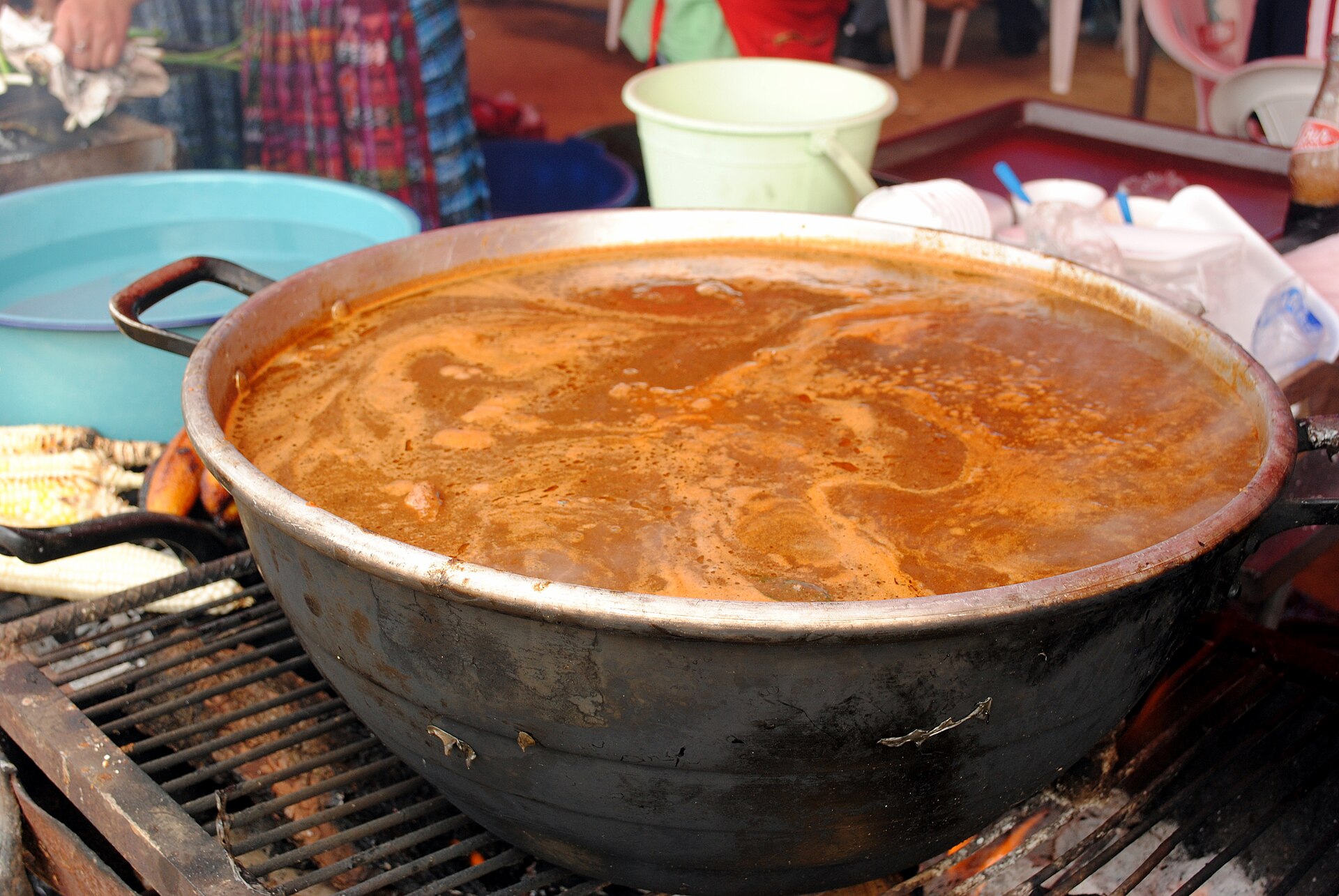
Dulce de coco is the candy that follows you through a Guatemalan market. You see it piled in small mounds on plates at vendor stalls, sometimes topped with a single raisin, sometimes dusted with cinnamon. It is chewy, sweet, deeply coconutty, and costs almost nothing. You buy one, and before you have walked ten steps, you turn around and buy three more.
Making dulce de coco at home requires nothing more than coconut, condensed milk, and patience. You stir. And stir. And stir some more. The mixture slowly transforms from loose and milky to thick and golden, with the coconut absorbing the sweetened milk and developing a caramel-like quality. It is the same meditative cooking technique used for canillitas de leche – low heat, constant stirring, trust the process.
Like most Guatemalan dulces tipicos, dulce de coco is associated with celebrations but available year-round. At ferias, you find it alongside canillitas de leche, dulce de ayote, and conservas de frutas in the sweet section of the market. It is the candy that every Guatemalan child grows up eating and every Guatemalan adult remembers with nostalgia.
Ingredients
- 3 cups unsweetened shredded coconut
- 1 can (14 oz) sweetened condensed milk
- 1/2 cup whole milk
- 2 tablespoons butter
- 1/2 teaspoon ground cinnamon
- 1 teaspoon vanilla extract
- Pinch of salt
- Raisins for decoration (optional)
Step-by-Step Instructions
Step 1: Combine ingredients. In a heavy-bottomed pot, combine the shredded coconut, condensed milk, whole milk, butter, cinnamon, and salt. Place over medium-low heat. Stir until the butter melts and everything is well combined.
Step 2: Cook and stir. Stir constantly for 25-30 minutes. The mixture will bubble gently, thicken gradually, and darken slightly as the sugars caramelize. The coconut will absorb the milk and become softer and more translucent. The mixture is ready when it starts pulling away from the sides of the pot and holds its shape when scooped.
Step 3: Add vanilla. Remove from heat. Add the vanilla extract and stir for 2 more minutes. The residual heat will incorporate the vanilla.
Step 4: Shape. Let the mixture cool for 5-10 minutes until warm but handleable. Scoop tablespoon-sized portions and roll into balls or shape into small mounds on parchment paper. Top each with a raisin if desired. For a more rustic look, simply drop spoonfuls onto parchment paper without shaping.
Step 5: Cool and dust. Let cool completely until firm to the touch, about 30 minutes at room temperature. Dust lightly with ground cinnamon for a finishing touch.
Como Lo Hacemos en Guatemala (Local Tips)
Low heat, constant stirring. The coconut burns easily. Keep the heat on medium-low and stir constantly, scraping the bottom of the pot. If you see the mixture browning too quickly, reduce the heat immediately.
Fresh coconut is the gold standard. If you can get a fresh coconut, crack it, peel it, and grate the meat. Fresh coconut has a sweetness and moisture that dried coconut cannot match. But dried unsweetened coconut works perfectly fine and is far more convenient.
The raisin on top is traditional. It seems like a small detail, but the single raisin pressed into the top of each dulce de coco is how you recognize them at the market. It is the visual signature of the candy.
Do not use sweetened shredded coconut. The condensed milk provides plenty of sweetness. Using sweetened coconut on top of that produces a candy that is cloyingly sweet.
Find Ingredients in the US
| Ingredient | Where to Find | Substitute |
|---|---|---|
| Unsweetened shredded coconut | Any supermarket (baking aisle) | Fresh grated coconut |
| Sweetened condensed milk | Any supermarket | No substitute |
| Ground cinnamon | Any supermarket | No substitute |
Approximate Nutrition (per piece)
| Nutrient | Amount |
|---|---|
| Calories | ~80 |
| Protein | 1g |
| Fat | 4g |
| Carbohydrates | 10g |
| Sugar | 8g |
More Guatemalan recipes: Canillitas de Leche (Milk Candy) | Dulce de Ayote (Pumpkin) | Rellenitos
Related: Guatemala Food Guide | Food Prices | Holidays in Guatemala