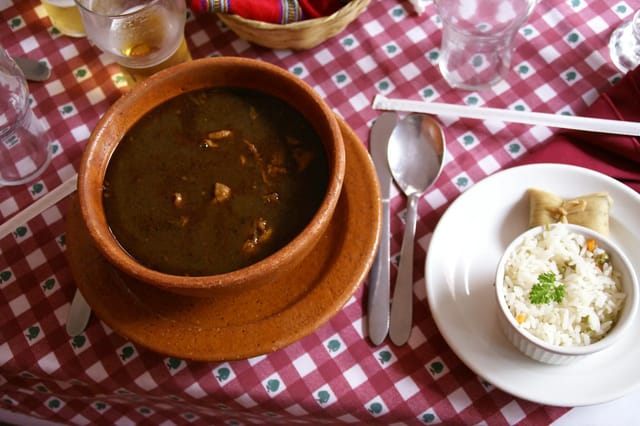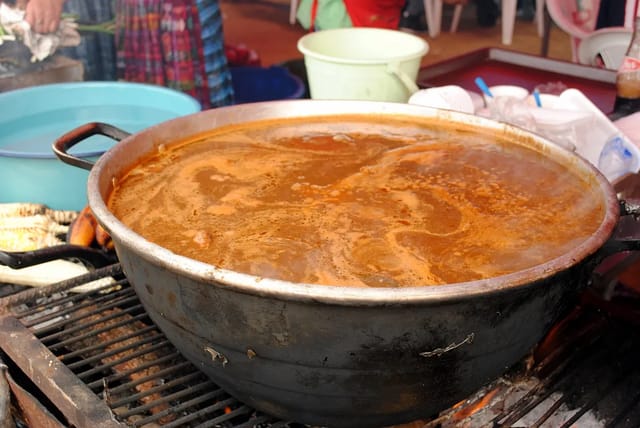
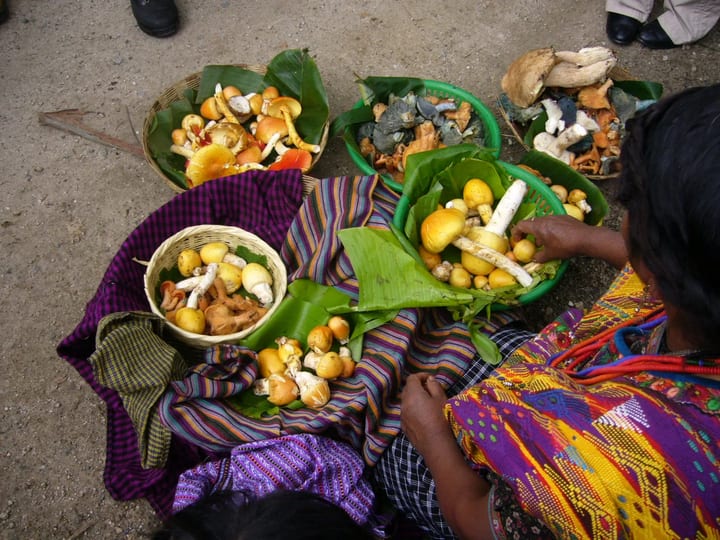
These are not tourist versions of Guatemalan food. They are the recipes I grew up eating — the ones my grandmother made, the ones you find at comedores in the mercado, the ones families spend all day preparing for holidays. 52 traditional dishes, all with step-by-step instructions, real ingredient names, and US substitutions where needed.
Guatemalan cuisine is one of the oldest living food traditions in the Americas. Dishes like pepián and kak’ik trace directly back to pre-Columbian Maya cooking, using ingredients like pepitoria (squash seeds), achiote, and chiles cultivated in this region for thousands of years. The Spanish brought wheat, beef, and dairy. The Garífuna brought tapado (coconut seafood stew) from the Caribbean coast. What you eat in Guatemala is the result of 500+ years of cultural layering on a Maya foundation.
Quick reference: Pepián is the national dish. Christmas means tamales colorados/negros + ponche. November 1 means fiambre (50-80 ingredients). Rainy season afternoons = atol caliente. Most everyday meals are some combination of pollo, frijoles, tortilla, and a salsa or curtido.
Iconic main dishes
The dishes most-asked-about by foreigners — and the ones any Guatemalan would name as “most representative”:
- Pepián — the national dish. Complex stew with chicken/beef, pepitoria-thickened recado, ancient Maya origin
- Kak’ik — Q’eqchi’ Maya turkey soup with achiote and coriander
- Jocón — green chicken stew with miltomate and cilantro
- Hilachas — shredded beef in tomato/achiote sauce
- Pollo en Crema — everyday Guatemalan chicken in cream sauce
- Pulique — recado-based stew, regional variations
- Estofado — Guatemalan beef stew
- Subanik — Kaqchikel ceremonial dish, three meats wrapped in maxan leaf
- Revolcado — pork organ stew, weekend specialty
- Tapado — Garífuna coconut seafood stew (Livingston/Caribbean)
Tamales
Tamales are Christmas Eve in Guatemala — every household makes some version. There are also year-round daily varieties.
- Tamales Colorados — red Christmas tamales with chicken and recado
- Tamales Negros — black Christmas tamales (sweeter, with chocolate)
- Chuchitos — small everyday tamales wrapped in corn husks
- Paches — potato-based Thursday tamales
- Tamalitos de Chipilín — herb tamales with chipilín leaves
- Tamalitos de Elote — sweet corn tamales
Soups and Caldos
- Caldo de Res — beef bone broth with vegetables
- Caldo de Gallina — old hen broth, the cure-all
- Caldo de Mariscos — Pacific coast seafood broth
- Sopa de Frijol Negro — black bean soup
Street food and antojitos
The Guatemalan equivalent of Mexican street tacos — what you eat at parques, mercados, ferias, and on November 1:
- Tostadas Guatemaltecas — fried tortillas with frijoles, guacamol, or salsa
- Dobladas — folded fried tortillas with meat or potato
- Enchiladas Guatemaltecas — cold tostadas with shredded beets (NOT Mexican enchiladas)
- Garnachas — masa cups with toppings
- Empanadas de Plátano — sweet plantain “empanadas” filled with refried beans or cream
- Molletes — sweet bread filled with cream and topped with miel
- Ceviche Guatemalteco — lighter than Peruvian, often with shrimp or curil
- Chiles Rellenos — stuffed chiles, batter-fried
- Carne Guisada — beef stew, comedor staple
- Pollo Guisado — chicken stew, comedor staple
- Gallo en Chicha — rooster in fermented corn drink, festival dish
- Arroz con Pollo — Guatemalan version (lighter than Cuban)
Holiday dishes
- Fiambre — November 1 cold salad with 50-80 ingredients (the icon)
- Tamales Colorados — Christmas Eve
- Ponche — Christmas hot fruit punch with cinnamon
- Torrejas — Semana Santa fried bread soaked in syrup
- Plátanos en Mole — Semana Santa
- Frijoles Volteados — refried black beans, daily breakfast staple
Atoles, drinks, desserts
- Atol Blanco — white corn warm drink, breakfast classic
- Atol de Elote — sweet corn warm drink (sweeter)
- Atol de Plátano — plantain atol, less common
- Horchata Guatemalteca — rice and morro seed drink
- Rosa de Jamaica — hibiscus iced drink
- Chocolate Caliente — Guatemalan hot chocolate (cinnamon + canela)
- Buñuelos — fried dough with miel
- Champurradas — sesame cookies, breakfast accompaniment
- Polvorosas — Guatemalan shortbread cookies
- Canillitas de Leche — milk caramels (originally from convents)
- Rellenitos — fried plantains stuffed with sweet beans
- Dulce de Ayote — squash in cane syrup, Semana Santa
- Dulce de Coco — coconut sweets
Sauces and accompaniments
- Curtido — pickled vegetable salad served with most dishes
- Chirmol — fresh tomato/cilantro salsa
- Guacamol Chapín — Guatemalan-style guacamole
Cooking from outside Guatemala?
Most Guatemalan ingredients are findable at Latin grocery stores in major US cities. For specialty items:
| Ingredient | US substitute / where to find |
|---|---|
| Pepitoria (toasted squash seeds) | Pepitas / pumpkin seeds, toasted in dry pan |
| Achiote (annatto) | Latin grocery, Amazon, sometimes Whole Foods |
| Miltomate | Tomatillos (most US stores) |
| Chile cobanero | Amazon, Mexican specialty grocers, or substitute pasilla |
| Chile guaque | Substitute guajillo (close cousin) |
| Chile pasa | Substitute ancho or pasilla |
| Masa harina (for tamales) | Maseca brand, available everywhere |
| Recado base | Make your own from toasted seeds + chiles + spices |
Related
- Food Prices in Guatemala — current ingredient costs across 39 staples
- Canasta Básica — official monthly food basket data from INE
- Día de los Santos / Fiambre — the cultural context behind the November 1 dish
- Quema del Diablo — when ponche and Christmas tamales appear (Dec 7)
- Semana Santa Guatemala — Holy Week food traditions (no red meat, torrejas, ayote)
If you find a recipe ratio off or a substitution that doesn’t work in your kitchen, let us know. These recipes get refined with reader feedback.