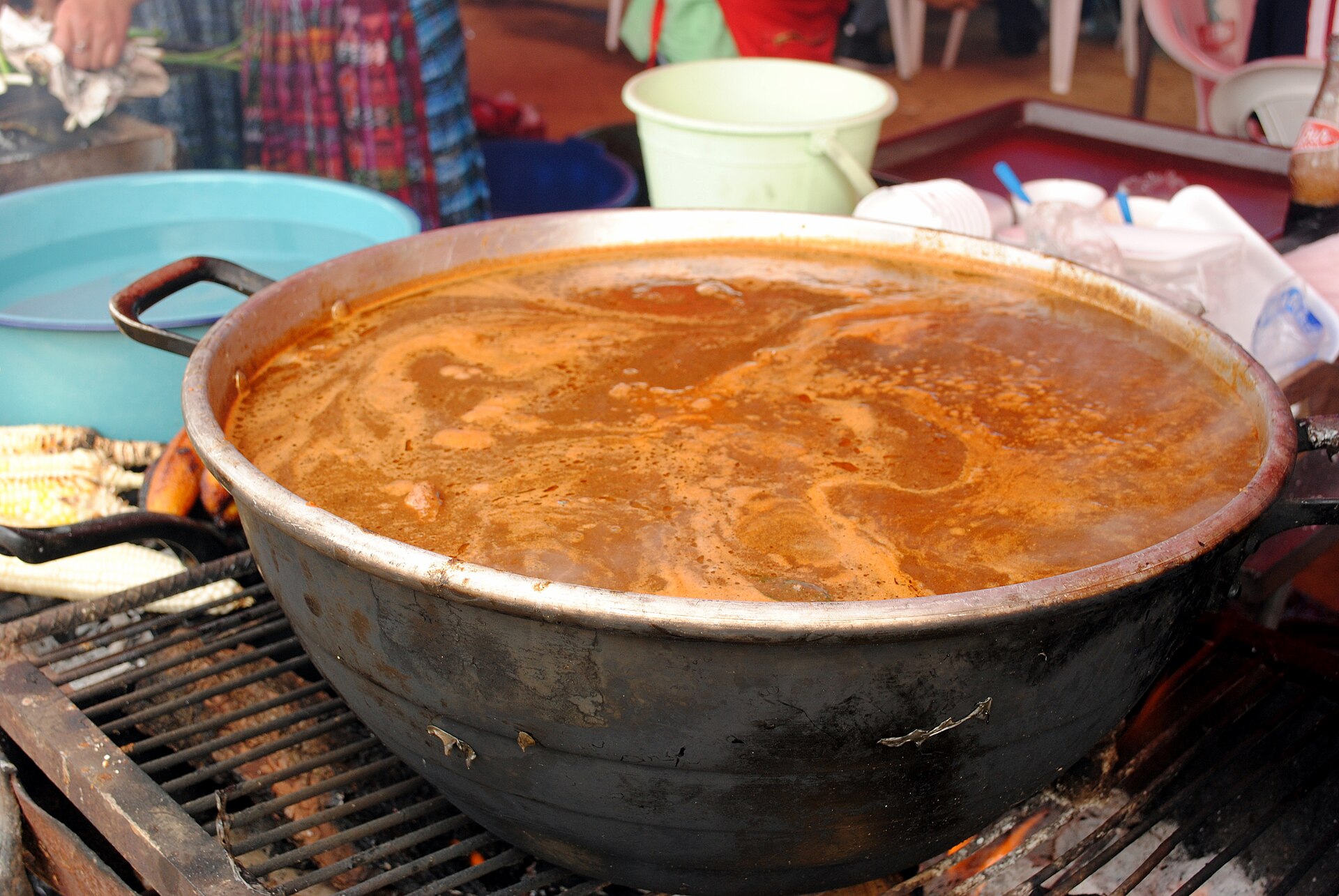
Guatemala is where chocolate was born. The ancient Maya domesticated cacao in this very region over 3,000 years ago. They drank it as xocolatl – a bitter, frothy, ceremonial beverage mixed with chili and cornmeal. When the Spanish arrived, they added sugar. When chocolate reached Europe, it was transformed beyond recognition. But in Guatemala, hot chocolate still retains something of its ancient character – darker, richer, and more direct than the sweet, milky versions the world knows.
Guatemalan hot chocolate is made with chocolate tablets – solid discs of ground cacao mixed with sugar and cinnamon. You drop them into boiling water (not milk, traditionally), stir until dissolved, and whisk until frothy. The result is thicker than European hot chocolate, less sweet than American, and more complex in flavor than both.
The tool for frothing is the molinillo – a carved wooden whisk that you spin between your palms. The technique has not changed in centuries. You hear the clicking and whirring of the molinillo in kitchens across Guatemala during the cold season, producing a layer of dark foam on top of each cup that traps the aroma and warmth.
Ingredients
- 180g (6 oz) Guatemalan chocolate tablets (or high-quality dark chocolate, 60-70% cacao)
- 4 cups water
- 1/2 cup whole milk (optional – traditional version uses only water)
- 1 cinnamon stick
- 1/4 cup sugar (or to taste)
- Pinch of cayenne pepper (optional, for Maya-style heat)
Step-by-Step Instructions
Step 1: Boil the water. In a medium pot, bring 4 cups of water to a boil with the cinnamon stick. Let the cinnamon infuse for a minute.
Step 2: Add the chocolate. Break the chocolate tablets into pieces. Add them to the boiling water. Stir constantly with a wooden spoon until the chocolate is completely melted and the liquid is smooth and dark.
Step 3: Sweeten and simmer. Add sugar to taste and the optional milk. If adding cayenne, use just a pinch – you want warmth in the back of the throat, not fire. Reduce heat to medium-low and simmer for 5 minutes, stirring occasionally.
Step 4: Froth. This is the traditional step that transforms hot chocolate into chocolate chapin. If you have a molinillo, place it in the pot and roll the handle rapidly between your palms to create a thick layer of foam. If you do not have a molinillo, use a wire whisk and whisk vigorously for a minute. Or pour the hot chocolate into a blender, blend for 10 seconds, and pour back.
Step 5: Serve. Remove the cinnamon stick. Pour into mugs, making sure each one gets a generous amount of foam on top. Serve immediately with pan dulce for dunking.
Como Lo Hacemos en Guatemala (Local Tips)
Water, not milk, is traditional. The Maya drank chocolate with water, and many Guatemalan families still do. Milk makes it creamier and more familiar to modern palates, but the water-based version has a cleaner, more intense chocolate flavor. Try it both ways.
Use real chocolate tablets. Cocoa powder is a modern shortcut that produces a thinner, less satisfying result. Chocolate tablets dissolve into a rich, thick drink with body and complexity. The brand Chocolatera is common in Guatemala, but any high-quality dark chocolate works.
The foam is everything. A cup of chocolate without foam is incomplete. The foam traps the aroma, insulates the heat, and creates a creamy texture on every sip. Invest in a molinillo – they cost $5-10 at Latin markets.
Pair with pan dulce. Sweet bread dunked into hot chocolate is a Guatemalan ritual. Champurradas, conchas, or any panito dulce – the bread absorbs the chocolate and softens just enough to eat, creating a combination that is more than the sum of its parts.
Find Ingredients in the US
| Ingredient | Where to Find | Substitute |
|---|---|---|
| Guatemalan chocolate tablets | Latin markets, Amazon | Abuelita, Ibarra, or 70% dark chocolate |
| Molinillo | Latin markets, Amazon | Wire whisk or blender |
| Cinnamon sticks | Any supermarket | No substitute |
| Cayenne pepper | Any supermarket spice section | Optional |
Approximate Nutrition (per serving)
| Nutrient | Amount |
|---|---|
| Calories | ~200 |
| Protein | 3g |
| Fat | 10g |
| Carbohydrates | 28g |
| Sugar | 22g |
| Iron | 3mg |
More Guatemalan recipes: Atol de Elote (Corn Drink) | Ponche (Christmas Punch) | Champurradas (Coffee Cookies)
Related: Guatemala Food Guide | Coffee Tours in Guatemala | Food Prices