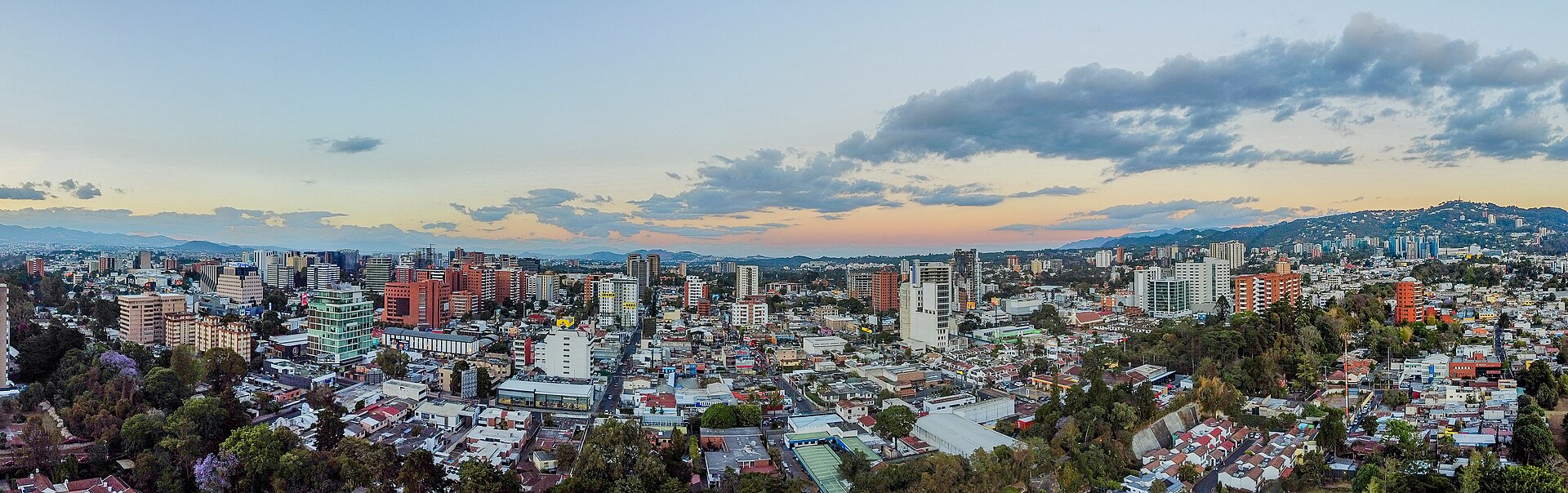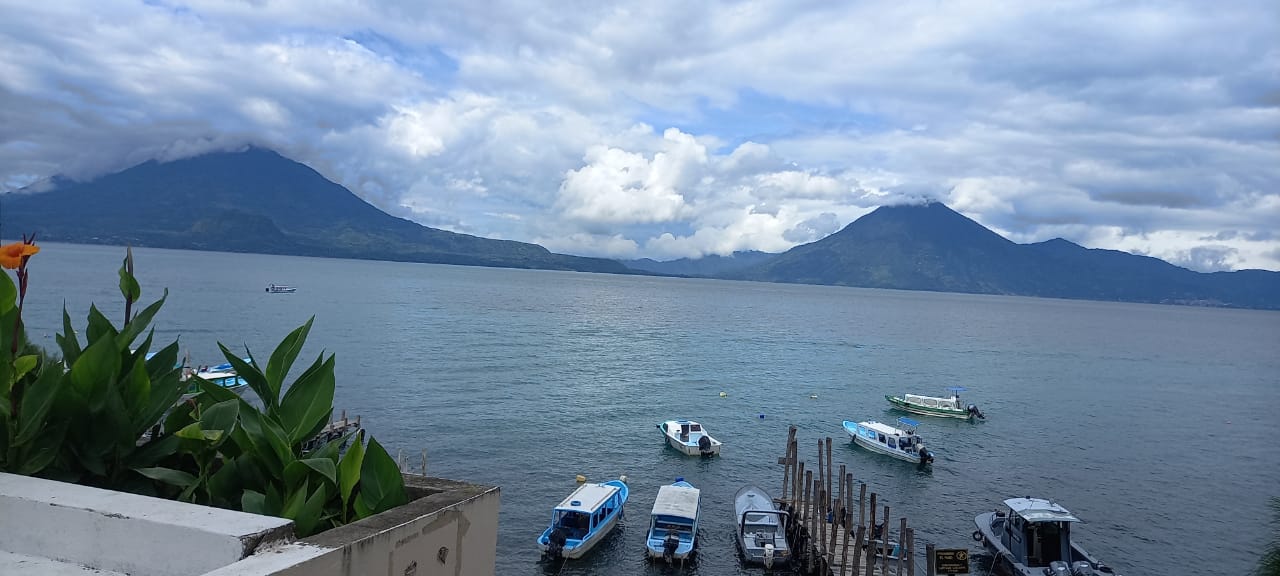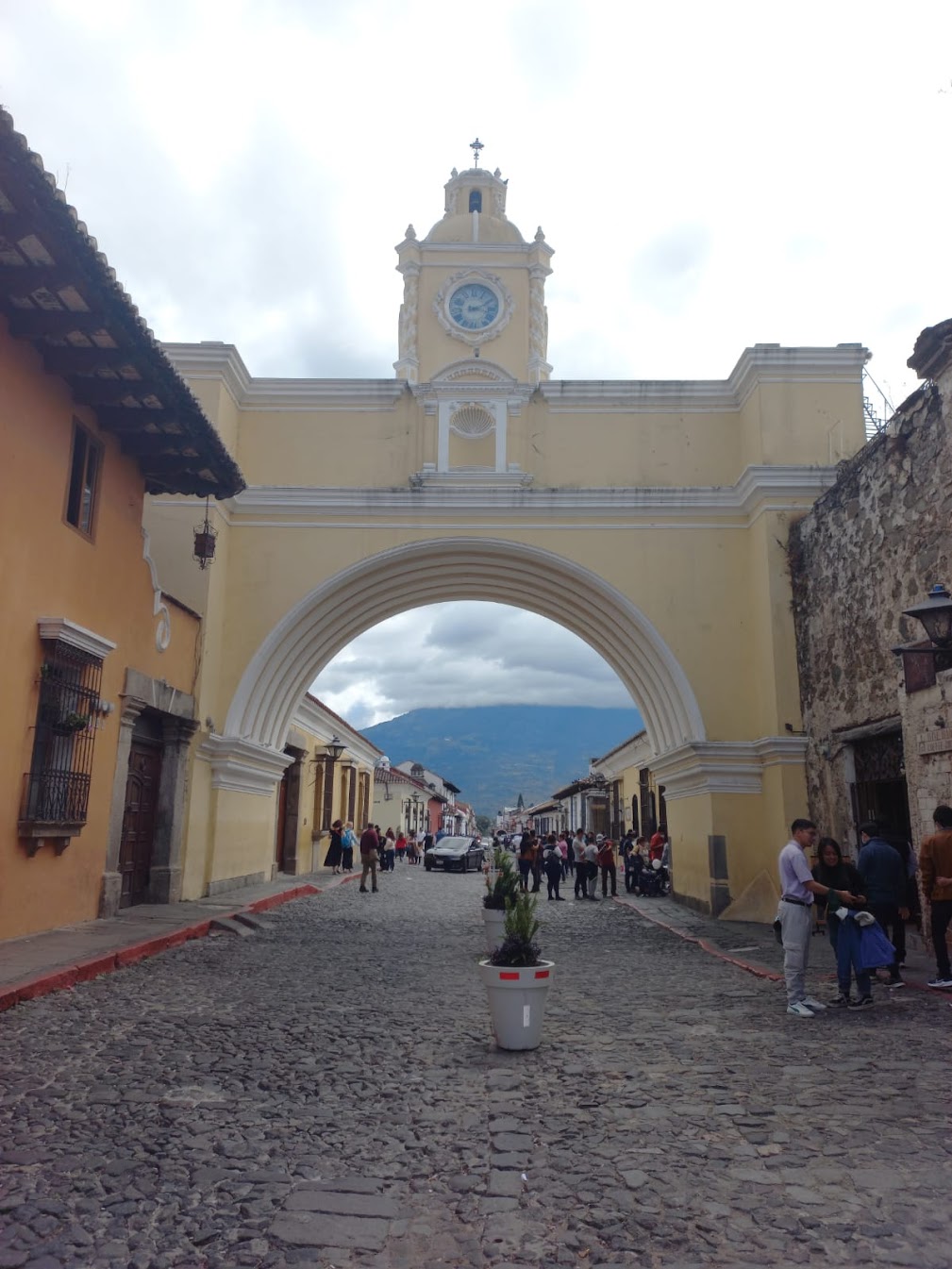
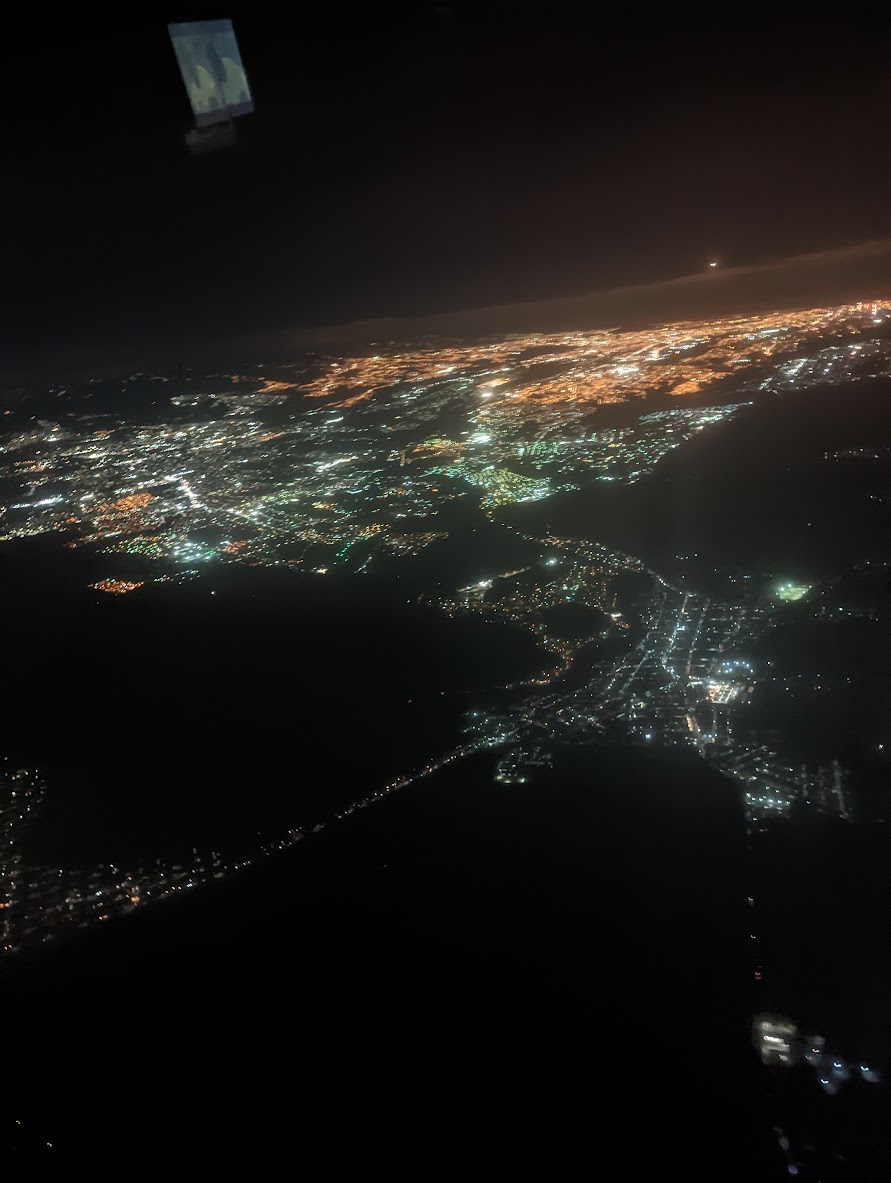
Guatemala City is where 3.5 million people live and work. It is the economic engine of Central America, the country’s only real metropolis, and the place most foreigners skip on their way to Antigua or the lake. That is a mistake for anyone who needs real infrastructure, serious healthcare, fast internet, or the energy of an actual city.
I grew up here. I went to school in Zona 15, hung out in Zona 10, had family in Zona 7, and learned to navigate the bus system before I learned to drive. When I came back from the US, I settled in Zona 10 because it has what I need: fiber internet, walkable streets, restaurants open past 10 PM, and a 15-minute Uber to the airport. Guatemala City is not beautiful in the way Antigua is beautiful. It is functional, chaotic, and alive in a way that colonial towns are not.
This guide covers what you need to know to live here — which zones to target, what things cost, how to stay safe, and why the city deserves more credit than it gets.
Why Guatemala City?
Most expat content ignores the capital. That is because most expat content is written by people who spent two weeks in Antigua and declared themselves Guatemala experts. Here is what the capital actually offers:
- Jobs and business. If you work for a Guatemalan company, have clients here, or run a business that requires in-person meetings, this is the only option. The formal economy lives here.
- Best infrastructure in Central America. Malls, supermarkets (PriceSmart, Walmart, La Torre), international restaurants, movie theaters, car dealerships, hardware stores — anything you need exists here.
- Fastest internet in the country. Fiber from Tigo (up to 500 Mbps) and Claro (up to 300 Mbps) is available in most residential zones. 5G is rolling out in limited areas. See our internet guide for specifics.
- Healthcare. Guatemala City has Central America’s best private hospitals: Hospital Herrera Llerandi, Centro Medico, Hospital Universitario Esperanza, and Sanatorio El Pilar. Specialists, diagnostic imaging, and emergency care are world-class at a fraction of US prices.
- International airport. La Aurora (GUA) is in Zona 13, inside the city. You can be at the gate 20 minutes after leaving your apartment in Zona 10. Try that in any other Guatemalan city.
- Uber and InDrive. The ride-hailing ecosystem works here — 24/7, cheap, and safer than taxis. Q15-50 for most trips within the city.
- Cultural offerings. Museums, theaters, live music, galleries, and a restaurant scene that ranges from Q25 comida corriente to Q500 tasting menus. The city has depth.
The downsides are real:
- Traffic. Rush hour (7-9 AM, 5-8 PM) is brutal. A 10 km trip can take 60-90 minutes. Plan your life around avoiding it.
- Air quality and noise. This is a Latin American capital. Buses belch diesel, construction never stops, and car horns are a form of communication.
- Safety varies dramatically by zone. Some zones are as safe as any US suburb. Others are genuinely dangerous. The zone system is everything.
- Not pretty. Guatemala City does not have Antigua’s colonial charm or Atitlan’s natural beauty. It is concrete, rebar, and sprawl. You live here for function, not aesthetics.
The Zone System: Where to Live
Guatemala City is divided into 25 numbered zones (Zona 1 through Zona 25, though some numbers are unused). Each zone has its own character, safety profile, and price range. For the full interactive zone-by-zone breakdown, check out our neighborhoods guide.
Zona 10 (Zona Viva) — The Expat Default
Safety: 8/10 | Cost: $$$ | Internet: Fiber 300+ Mbps
The commercial and social center of the city. Oakland Mall, restaurants, bars, embassies, and the main hotel strip. The most walkable zone in Guatemala City — you can reach restaurants, gyms, banks, and supermarkets on foot, which is rare here.
Rent: Q5,000–8,000/month ($652–1,044) for a furnished 1BR apartment. Unfurnished: Q3,500–6,000 ($457–783).
Best for: Single professionals, remote workers, first-time arrivals who want convenience.
Zona 14 — Upscale Residential
Safety: 9/10 | Cost: $$$$ | Internet: Fiber 500 Mbps
The embassy district and the city’s most prestigious residential area. Gated apartment towers, manicured streets, and a quieter pace than Zona 10. Less walkable but very safe.
Rent: Q7,000–12,000/month ($913–1,566) for a modern 1BR. Luxury 2BR apartments in towers like Europlaza or Vista Real: Q12,000–20,000 ($1,566–2,610).
Best for: Families, executives, anyone who prioritizes security and space.
Zona 15 (Vista Hermosa) — Quiet Residential
Safety: 9/10 | Cost: $$$ | Internet: Fiber 300+ Mbps
A residential zone with tree-lined streets, good schools (American School, Maya School), and proximity to the major malls without the density of Zona 10. Mostly gated neighborhoods.
Rent: Q5,000–9,000/month ($652–1,175) for a furnished 1BR or small house.
Best for: Families with school-age children, people who want residential quiet with city access.
Zona 16 — Modern Developments
Safety: 8/10 | Cost: $$$ | Internet: Fiber available
Newer developments and university campuses (Universidad del Valle, Rafael Landivar). Paseo Cayala, a mixed-use development that functions as a small walkable town-within-the-city, is the main draw. Cayala has restaurants, shops, apartments, and a social scene.
Rent: Q4,500–8,000/month ($587–1,044) for an apartment. Cayala apartments start at Q6,000 ($783).
Best for: Young professionals, couples, anyone who likes the Cayala lifestyle concept.
Zona 4 — The Creative District
Safety: 6/10 | Cost: $$ | Internet: Fiber available
Once a rough zone, Zona 4 has been partially transformed into Guatemala City’s arts and nightlife district, centered on a few blocks of bars, restaurants, galleries, and co-working spaces. It is the closest thing the city has to a “hip” neighborhood. Still mixed — the trendy blocks sit next to unrenovated areas.
Rent: Q3,000–5,000/month ($391–652) for a furnished apartment.
Best for: Young creatives, artists, nightlife-oriented residents who want urban energy.
Outer Zones (Z7, Z11, Z12, Mixco, Villa Nueva) — Budget Living
Safety: 4-6/10 | Cost: $ | Internet: Cable 50-100 Mbps
These are middle and working-class zones where the majority of capitalinos live. Big shopping centers (Centro Comercial Miraflores in Z11, Pradera in Z10/Z11 border), supermarkets, and functional infrastructure exist, but walkability is poor and English is rare.
Rent: Q2,000–4,000/month ($261–522) for a 1BR. Houses: Q3,000–6,000 ($391–783) with more space.
Best for: Budget-conscious residents who speak Spanish, families who want more space, people who work in these areas.
Pro Tip: Do not choose a zone based on rent alone. A Q2,500 apartment in Zona 7 sounds great until you realize your daily Uber to Zona 10 costs Q40-60 each way and traffic adds 45 minutes to your commute. Most expats find that paying more in Z10/Z14/Z15 saves time and stress that far outweigh the rent difference.
Cost of Living
Guatemala City is the most expensive city in Guatemala — and still a fraction of US costs. The zone you live in is the single biggest variable.
Monthly Budget: Upscale Zones (Z10, Z14, Z15, Z16)
| Expense | Budget | Comfortable | Luxury |
|---|---|---|---|
| Rent (1BR furnished) | $500–650 | $750–1,035 | $1,200–2,500 |
| Groceries | $150–200 | $250–350 | $400–600 |
| Eating out | $80–120 | $200–350 | $400–700 |
| Transport (Uber/car) | $50–80 | $100–200 | $250–400 |
| Utilities | $50–80 | $80–120 | $120–180 |
| Internet | $30 | $30–40 | $40–60 |
| Healthcare | $20–30 | $50–100 | $150–300 |
| Entertainment | $40–80 | $100–200 | $200–400 |
| Total | $1,200–1,550 | $2,350–3,250 | $3,650–5,200+ |
Monthly Budget: Outer Zones (Z7, Z11, Z12, Mixco)
| Expense | Budget | Comfortable | Luxury |
|---|---|---|---|
| Rent (1BR) | $310–420 | $450–650 | $800–1,200 |
| Groceries | $120–150 | $180–250 | $300–400 |
| Eating out | $50–80 | $120–200 | $250–400 |
| Transport | $20–40 | $60–120 | $150–250 |
| Utilities | $40–60 | $60–90 | $80–120 |
| Internet | $30 | $30 | $30–50 |
| Healthcare | $15–25 | $40–80 | $100–200 |
| Entertainment | $30–50 | $60–120 | $100–200 |
| Total | $800–1,000 | $1,400–1,800 | $2,500–3,000 |
For full comparisons with other Guatemalan cities, visit our cost of living data page. Need to transfer money from abroad? Our remittance comparison shows the best rates.
Getting Around
Traffic is the defining challenge of daily life in Guatemala City. The city was designed for 500,000 people and holds 3.5 million. Here is how to manage it.
Uber and InDrive
The primary transport for expats and increasingly for locals. Available 24/7 across the city.
- Typical trips: Q15-50 ($2-6.50) for most routes. Z10 to airport: Q25-40. Z10 to Z14: Q15-25.
- Rush hour surge: Prices double during peak hours, and a 15-minute trip becomes 45 minutes.
- InDrive: A competitor app where you negotiate the fare. Often 20-30% cheaper than Uber. Drivers are less consistent.
Transmetro (BRT Bus)
Guatemala City’s Bus Rapid Transit system runs dedicated lanes through the city. Clean, safe (uniformed guards at stations), and Q1 per ride ($0.13). The main corridors:
- Eje Central: Zona 1 to Zona 13 (north-south through the center)
- Eje Sur: Zona 12 to Centra Norte mall
- New corridors under construction for Z7 and western routes
Transmetro is the best-kept secret for getting around cheaply without traffic delays. The dedicated lanes bypass congestion.
Driving
If you drive, know that Guatemala City traffic is among the worst in Latin America. Google Maps and Waze are essential. Parking garages cost Q15-30/hour in commercial zones.
- Gas: Q38-42/gallon ($5-5.50)
- Insurance: Q3,000-6,000/year ($391-783)
- Car wash: Q40-80 ($5-10)
For details on getting a Guatemalan driver’s license, see our driver’s license guide.
For the full transportation picture, see our transportation guide.
Pro Tip: Structure your day to avoid rush hour entirely. Work from home or a cafe 7-9 AM, run errands 10 AM-3 PM when traffic is manageable, and be home by 4:30 PM before the evening crush starts. Many remote workers find they never need a car or Uber during peak hours if they plan their schedule around traffic.
Internet
Guatemala City has the fastest and most reliable internet in Central America.
| ISP | Top Speed | Monthly Cost | Coverage |
|---|---|---|---|
| Tigo (Fiber) | 500 Mbps | Q235–600 ($30–78) | Z4, Z5, Z7, Z9, Z10, Z11, Z12, Z13, Z14, Z15, Z16 |
| Claro (Fiber) | 300 Mbps | Q229–500 ($30–65) | Similar coverage, slightly smaller footprint |
| Claro 5G | 100–300 Mbps | Q299–499 ($39–65) | Limited Z10, Z14, Z15 areas |
| Starlink | 50–200 Mbps | Q345–510 ($45–66) | Anywhere (good backup) |
For remote workers: Any fiber plan from Tigo or Claro is sufficient for video calls, large uploads, and simultaneous streaming. Get the Q235 Tigo plan (150 Mbps) — it is the best value. Upgrade only if you routinely upload large files.
For the complete ISP breakdown, plans, and tips, see our internet guide.
Safety by Zone
Safety in Guatemala City is hyper-local. Two blocks can separate a safe, well-lit commercial district from a zone you should avoid after dark. Here is the honest breakdown.
| Zone | Safety Rating | Notes |
|---|---|---|
| Zona 10 | 8/10 | Private security, embassies, well-lit commercial streets. Petty theft possible, violent crime rare. |
| Zona 14 | 9/10 | Embassy district. Gated communities, security guards, very low crime. |
| Zona 15 | 9/10 | Residential, gated. Quiet and safe. |
| Zona 16 | 8/10 | Newer developments with security. Cayala is extremely safe. |
| Zona 4 | 6/10 | Trendy blocks are fine; surrounding areas can be sketchy after midnight. |
| Zona 1 | 4/10 | Historic center. Fine during business hours, avoid at night. High petty crime. |
| Zona 7 | 5/10 | Mixed. Residential areas fine, some rough edges. |
| Zona 11 | 6/10 | Middle class. Generally OK, stick to main roads at night. |
| Zona 12 | 5/10 | Industrial and residential mix. Petoskey areas after dark. |
| Zona 18 | 2/10 | One of the most dangerous zones. Do not go unless you have a specific reason and local guidance. |
General rules:
- Use Uber/InDrive after 9 PM instead of walking.
- Do not use your phone on the street in Z1, Z7, or Z12 at night.
- ATM robberies happen — use ATMs inside banks or malls, not standalone machines.
- Avoid red lights after 10 PM in low-traffic areas (carjacking risk). It is culturally accepted to slow-roll through empty intersections late at night.
For the full safety analysis with crime statistics, read our comprehensive safety guide with real crime data.
Top Activities
Guatemala City has more to do than most visitors realize. For the complete searchable database, explore on the map.
- Paseo Cayala (Z16) — Walkable mixed-use development with restaurants, shops, and events. The city’s best public space.
- Museo Ixchel del Traje Indigena (Z10) — World-class museum of Maya textiles. Q35 entry.
- Mercado Central (Z1) — The underground market behind the cathedral. Handicrafts, leather goods, food stalls. Go during the day with your valuables secured.
- Restaurante scene — From Kacao (upscale Guatemalan, Z10) to El Fogoncito (street tacos, Z4) to the food hall at Cayala. The dining is genuinely good and wildly affordable.
- Zona Viva nightlife (Z10) — Bars, clubs, and live music on Friday and Saturday nights. Safer and more established than anywhere else in the country.
- Parque Minerva and Relief Map (Z2) — A 2,500 sqm relief map of Guatemala built in 1905. Bizarre and impressive. Q5 entry.
- Day trips — Antigua (45 min), Pacaya volcano (1 hour), Lake Amatitlan (30 min). The city is a hub for exploring.
Healthcare
This is Guatemala City’s strongest card for long-term residents. The private healthcare system is excellent and affordable.
Major Hospitals
| Hospital | Location | Specialty | ER Visit Cost |
|---|---|---|---|
| Hospital Herrera Llerandi | Z10 | General, surgery, diagnostics | Q300–500 ($39–65) |
| Centro Medico | Z10 | Multi-specialty, birthing center | Q250–400 ($33–52) |
| Hospital Universitario Esperanza | Z10 | Surgery, cardiology, oncology | Q200–350 ($26–46) |
| Sanatorio El Pilar | Z15 | General, pediatrics | Q200–300 ($26–39) |
Typical Costs
| Service | Cost (GTQ) | Cost (USD) |
|---|---|---|
| General doctor visit | Q150–400 | $19.50–52 |
| Specialist visit | Q300–600 | $39–78 |
| Dental cleaning | Q200–400 | $26–52 |
| Blood work panel | Q200–600 | $26–78 |
| MRI scan | Q2,500–5,000 | $326–652 |
| ER visit (non-critical) | Q300–800 | $39–104 |
Many specialists trained in the US or Europe and speak English. Medical tourism is growing — Guatemalans from rural areas and foreigners both come to the capital for care.
Pro Tip: If you plan to live in Antigua, Lake Atitlan, or anywhere outside the capital, still establish a relationship with a Guatemala City doctor and dentist. Keep their WhatsApp number saved. For anything beyond basic care — specialist consultations, imaging, surgery — you will come to GC. The private hospitals here are genuinely good and a tenth of US prices.
Who Guatemala City Is For (and Who It Is Not For)
Guatemala City is ideal for:
- Professionals who need urban infrastructure, fast internet, and business meetings
- Families who want good international schools and safe residential zones
- Anyone who needs regular access to the international airport
- People who want world-class healthcare without leaving the country
- Foodies, culture enthusiasts, and nightlife seekers
Guatemala City may not be for you if:
- You want natural beauty and colonial charm (go to Antigua or Lake Atitlan)
- You hate traffic and do not want to deal with urban logistics
- You want to walk everywhere (the city is car-dependent outside Z10)
- You are looking for the cheapest possible cost of living (Xela or rural areas are cheaper)
- You want peace, quiet, and slow living
Frequently Asked Questions
Is Guatemala City safe for expats?
In the right zones, yes. Zona 10, 14, 15, and 16 are comparable in safety to many US cities, with private security, well-lit streets, and low violent crime rates. Other zones require more caution. The key is choosing your neighborhood carefully and following local safety practices. See our safety guide for zone-by-zone crime data.
What is the best zone to live in Guatemala City?
For most expats, Zona 10 offers the best balance of walkability, restaurants, nightlife, internet, and safety. Zona 14 is better for families and those who prioritize space and security. Zona 16 (Cayala area) is ideal for a modern, planned-community feel. See our neighborhoods guide for the complete zone breakdown.
How much does it cost to live in Guatemala City?
In upscale zones (Z10, Z14, Z15), expect $1,200-1,550/month on a budget, $2,350-3,250 comfortably, and $3,650-5,200+ for luxury living. Outer zones (Z7, Z11, Z12) run 30-40% less. Visit our cost of living page for detailed comparisons.
How is the internet in Guatemala City?
Excellent. Fiber internet from Tigo (up to 500 Mbps, Q235-600/month) and Claro (up to 300 Mbps) is available in most residential zones. Guatemala City has the fastest and most reliable internet in Central America. Limited 5G coverage is expanding. See our internet guide.
How do I get around Guatemala City without a car?
Uber and InDrive are available 24/7 and cost Q15-50 for most trips. Transmetro (the BRT bus system) costs Q1 per ride and has dedicated lanes that bypass traffic. Many expats in Zona 10 walk to daily needs. The city is manageable without a car if you live in a central zone and use ride-hailing apps. See our transportation guide.