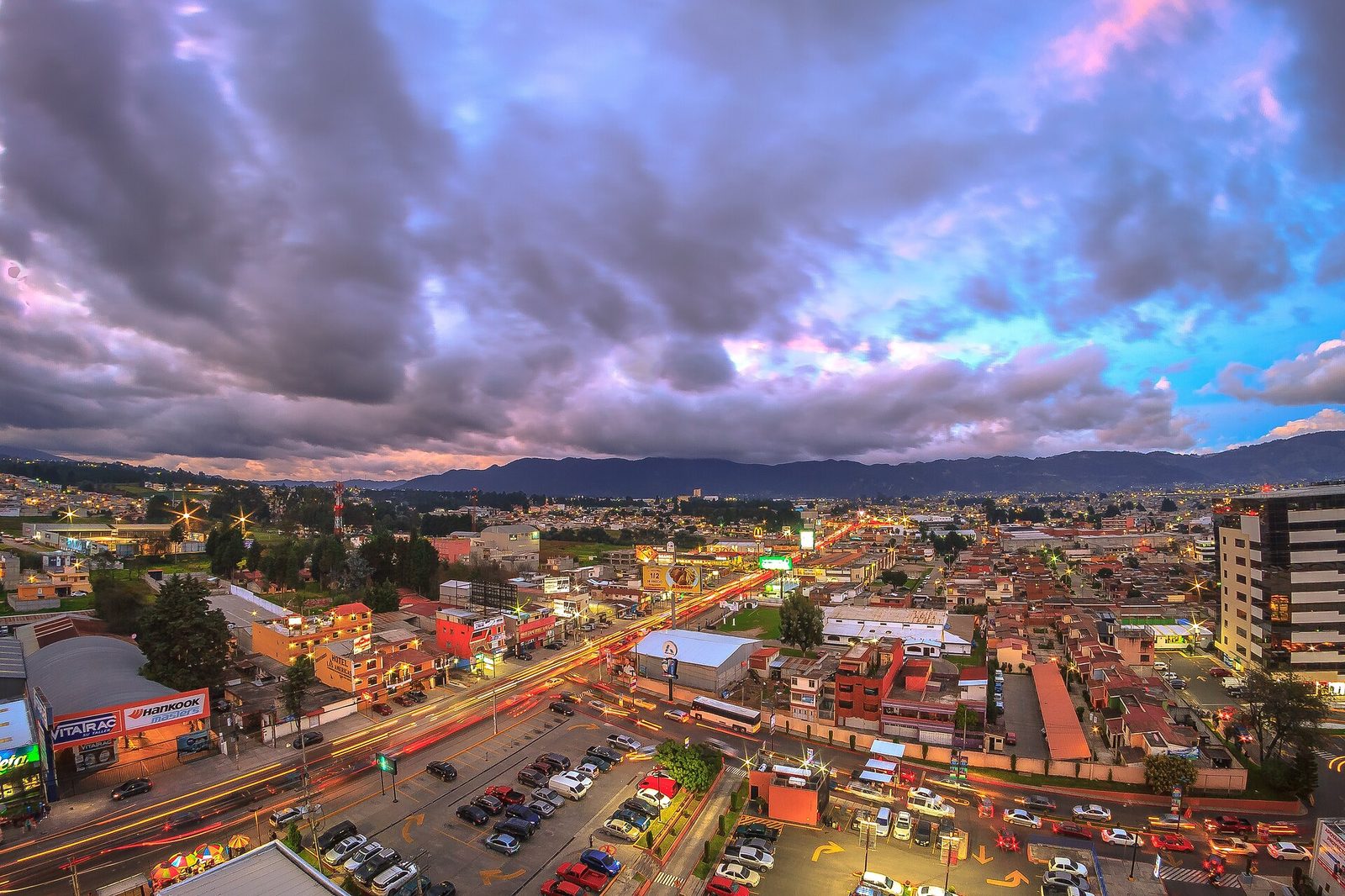
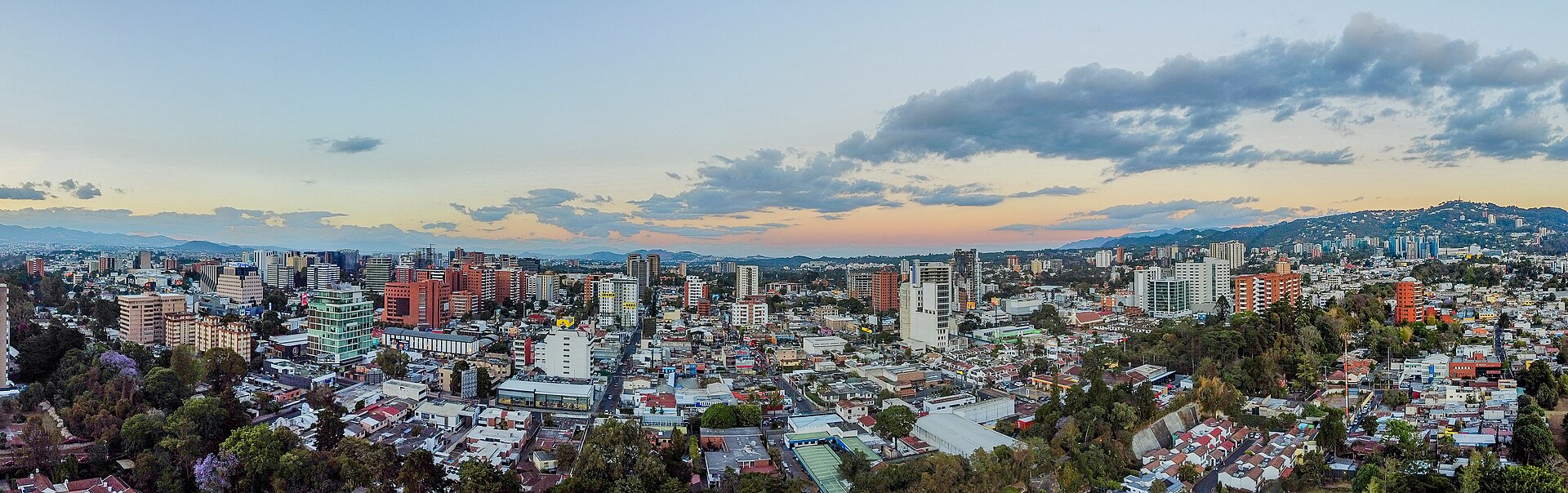
Guatemala City costs $1,000 to $3,000 a month depending on which zona you call home. In Zona 10 (Zona Viva), $2,000 gets you a furnished apartment, regular restaurant dinners, Uber everywhere, and a gym membership. In Zona 4’s revitalized arts district, $1,200 buys a similar lifestyle at half the rent. In Cayala, $3,000 puts you in a planned community with private security that would cost $8,000 in a US suburb. The capital is Guatemala’s most expensive city and its most convenient — the only place with international flights, modern hospitals, 100+ Mbps fiber, malls, and corporate jobs.
Guatemala City is not one city. It is 25 zonas with wildly different safety profiles, price levels, and vibes. Zona 10 and Zona 14 are where embassies and international companies cluster. Zona 4 has transformed into a hip arts-and-food district. Zona 16 (Cayala) is a self-contained planned city that barely feels like Guatemala. Zona 1 is historic, gritty, and cheap. Choosing the wrong zona is the most expensive mistake an expat can make — not in money, but in quality of life.
This guide covers real costs by neighborhood, updated March 2026, using current exchange rates (approximately 1 USD = 7.7 GTQ). For the country-wide comparison, see our complete cost of living guide.
Monthly Budget by Zona
Updated March 2026. All figures monthly, single person, in USD.
Zona 10 (Zona Viva): The Expat Default ($1,500–2,500)
Zona 10 is where most foreigners land first. It has the nightlife (Zona Viva strip), international restaurants, the best shopping (Oakland Mall, Fontabella), and walkable streets in the commercial core. Embassies, international schools, and corporate offices cluster here.
| Expense | Budget | Comfortable | Premium |
|---|---|---|---|
| Rent (1BR furnished) | $550–700 | $750–1,035 | $1,200–2,000 |
| Groceries | $150–200 | $250–350 | $400–550 |
| Dining out | $100–150 | $200–350 | $400–700 |
| Transport (Uber) | $50–80 | $100–180 | $200–350 |
| Utilities | $50–80 | $80–120 | $120–170 |
| Internet | $30 | $30–40 | $40–60 |
| Healthcare | $20–35 | $50–100 | $150–300 |
| Entertainment | $50–80 | $100–200 | $200–400 |
| Total | $1,200–1,550 | $1,800–2,500 | $3,200–4,800 |
Zona 10 reality check: The core commercial area (around Oakland Mall, 6a Avenida) is genuinely walkable during the day. But Zona 10 is larger than most expats realize — the outer blocks are residential and quiet after dark. Uber is the default transport for anything beyond walking distance. Comedores exist on side streets at Q25–40 ($3.25–5.20), but the main restaurant strip runs Q80–200 ($10.40–26) per person.
Zona 14 (Las Americas): The Premium Address ($1,800–3,000)
Zona 14 is the most exclusive residential zona. Think embassy row, gated apartment towers, manicured parks, and private security at every entrance. It is quieter than Zona 10, more residential, and 15–20% more expensive on rent.
| Expense | Budget | Comfortable | Premium |
|---|---|---|---|
| Rent (1BR furnished) | $650–850 | $900–1,300 | $1,500–2,500 |
| Groceries | $160–220 | $260–370 | $400–600 |
| Dining out | $100–150 | $220–380 | $450–750 |
| Transport (Uber) | $60–90 | $120–200 | $250–400 |
| Utilities | $55–85 | $85–130 | $130–180 |
| Internet | $30 | $30–40 | $40–60 |
| Healthcare | $25–40 | $60–110 | $150–300 |
| Entertainment | $50–80 | $100–200 | $200–400 |
| Total | $1,400–1,800 | $2,200–3,000 | $3,800–5,500 |
Zona 14 reality check: This is where wealthy Guatemalan families live. The restaurants are upscale, the gyms are $50–80/month, and PriceSmart (Costco equivalent) is nearby. It is safe and comfortable but can feel isolated — there is no street life like Zona 10. You will Uber everywhere. Best for families, retirees, and professionals who prioritize security above all else.
Zona 4 (Cuatro Grados Norte): The Creative District ($1,000–1,500)
Zona 4 has undergone a dramatic transformation. The 4 Grados Norte pedestrian corridor is now a hub of restaurants, bars, cafes, galleries, and creative offices. It is the closest thing Guatemala City has to a “hip” neighborhood, and rents are significantly lower than Zona 10.
| Expense | Budget | Comfortable | Premium |
|---|---|---|---|
| Rent (1BR furnished) | $350–500 | $500–750 | $800–1,200 |
| Groceries | $130–180 | $200–280 | $350–450 |
| Dining out | $80–120 | $150–250 | $300–500 |
| Transport (Uber + Transmetro) | $30–50 | $60–120 | $150–250 |
| Utilities | $40–65 | $60–90 | $80–120 |
| Internet | $30 | $30 | $30–50 |
| Healthcare | $20–30 | $40–80 | $100–200 |
| Entertainment | $40–60 | $80–150 | $150–300 |
| Total | $850–1,150 | $1,200–1,700 | $2,200–3,200 |
Zona 4 reality check: The 4 Grados Norte strip is excellent. A few blocks away, Zona 4 gets rougher. This is a neighborhood where location within the zone matters enormously. Stick to the revitalized corridor and you have walkable restaurants, decent internet, and a creative community. Wander too far and you are in a different world. Transmetro runs through Zona 4, making it one of the few zones where public transit is practical.
Zona 16 / Cayala: The Planned City ($2,000–3,500)
Cayala is Guatemala’s most unusual living option — a privately developed, mixed-use planned community in Zona 16. It has its own shopping center, restaurants, parks, offices, a university campus, and 24/7 private security with controlled access. It is essentially a city-within-a-city designed for Guatemala’s upper-middle class.
| Expense | Budget | Comfortable | Premium |
|---|---|---|---|
| Rent (1BR furnished) | $800–1,100 | $1,200–1,800 | $2,000–3,000 |
| Groceries | $180–250 | $300–400 | $450–650 |
| Dining out | $120–180 | $250–400 | $450–750 |
| Transport (Uber, less needed) | $40–60 | $80–150 | $150–250 |
| Utilities | $60–90 | $90–140 | $140–200 |
| Internet | $30 | $30–40 | $40–60 |
| Healthcare | $30–50 | $60–120 | $150–300 |
| Entertainment | $50–80 | $100–200 | $200–350 |
| Total | $1,500–2,000 | $2,200–3,200 | $3,800–5,800 |
Cayala reality check: Safety is the selling point — it is the safest place to live in Guatemala, period. But it comes at a cost, and not just financial. Cayala can feel hermetic — a bubble disconnected from actual Guatemalan life. Restaurants are good but Cayala-priced (Q100–250 per person). There is no mercado, no comedores, no street food. If you want immersion in Guatemala, this is not it. If you want a comfortable, secure base to live and work while exploring the country on weekends, it is ideal.
Outer Zones: Zona 11, 12, Mixco, Villa Nueva ($800–1,200)
For expats who speak Spanish and want genuine Guatemalan neighborhood life, the outer zones offer the best value in the capital.
| Expense | Budget | Comfortable | Premium |
|---|---|---|---|
| Rent (1BR) | $200–350 | $350–550 | $600–1,000 |
| Groceries | $120–160 | $180–260 | $300–400 |
| Dining out | $50–80 | $100–180 | $200–350 |
| Transport | $25–40 | $60–120 | $130–220 |
| Utilities | $35–55 | $55–80 | $75–110 |
| Internet | $30 | $30 | $30–50 |
| Healthcare | $15–25 | $35–70 | $80–150 |
| Entertainment | $30–50 | $60–110 | $100–200 |
| Total | $650–950 | $1,000–1,500 | $1,800–2,800 |
Zona 11 and 12 are middle-class residential areas with Miraflores and Tikal Futura malls, supermarkets, and good bus connections. Mixco and Villa Nueva are satellite cities that have merged into the metro area — cheaper but with longer commutes. These zones are where most Guatemalans with professional jobs live.
Rent: Zone-by-Zone Comparison
The single chart that matters most:
| Zone | Studio | 1BR Furnished | 2BR Furnished | Luxury 2BR+ |
|---|---|---|---|---|
| Zona 10 | $450–600 | $750–1,035 | $1,100–1,600 | $1,800–2,500 |
| Zona 14 | $500–700 | $900–1,300 | $1,300–2,000 | $2,200–3,500 |
| Zona 4 (4GN area) | $300–450 | $500–750 | $700–1,100 | $1,200–1,800 |
| Zona 16 / Cayala | $600–900 | $1,200–1,800 | $1,800–2,500 | $2,500–4,000 |
| Zona 15 | $500–650 | $700–1,000 | $1,000–1,500 | $1,500–2,500 |
| Zona 11/12 | $250–350 | $350–550 | $500–800 | $800–1,200 |
| Mixco/Villa Nueva | $180–280 | $280–420 | $400–650 | $650–1,000 |
Finding apartments: Encuentra24.com and Facebook Marketplace are the main listing platforms. For Zona 10/14, building managers often have vacancies not listed online — walk the neighborhoods and ask doormen. Furnished apartments for expats typically include WiFi, cable, and sometimes cleaning service.
Deposits: Standard is one month deposit plus first month upfront. Some Zona 14 buildings require two months deposit. Contracts are typically 6–12 months, with a penalty for early termination (usually one month’s rent).
Food: From Q25 Comedores to $50 Steakhouses
Guatemala City has the country’s widest restaurant range, from Q20 street food to Q500 tasting menus.
Budget Eating ($150–250/month)
Comedores are everywhere, even in Zona 10. Full comida corriente plates cost Q25–40 ($3.25–5.20) and include soup, a main protein, rice, beans, tortillas, and a drink. The mercado central (Zona 1) has the cheapest food in the city — full meals for Q15–25 ($1.95–3.25) — but is not in a residential area most expats live in.
Fast food chains (Pollo Campero, McDonald’s, Taco Bell) run Q35–70 ($4.55–9.10) for a combo meal. If you eat at comedores for lunch and cook dinner at home, your food budget stays under $250/month easily.
Mid-Range ($250–450/month)
Zona 10’s restaurant scene is excellent: Japanese, Korean, Italian, Peruvian, Mexican, Indian, and elevated Guatemalan food. A main course at a mid-range restaurant runs Q80–180 ($10.40–23.40). Happy hours at Zona 10 bars (Zona Viva strip) have drinks at Q25–40 ($3.25–5.20).
Zona 4’s 4 Grados Norte has a growing food scene with craft breweries, taco joints, and specialty coffee shops at slightly lower prices than Zona 10.
Groceries
Major supermarket chains and their price positioning:
| Store | Price Level | Best For | Locations |
|---|---|---|---|
| PriceSmart | Bulk value | Imported goods, bulk buying | Z10, Z11, Z16 |
| La Torre | Premium | Imported items, deli, wine | Z10, Z14, Z15 |
| Walmart (Paiz) | Mid-range | General groceries | Citywide |
| Despensa Familiar | Budget | Basics, produce | Citywide |
| Mercado Central | Cheapest | Fresh produce, local products | Z1 |
Weekly grocery budget: $40–60 (budget), $60–90 (comfortable), $100–150 (premium with imported items). For detailed prices, see our food price tracker and grocery shopping guide.
Transportation: Uber, Transmetro, and Car Costs
Guatemala City is not walkable as a whole. Within your zona, yes. Between zones, you need transport.
Uber & Ride-Hailing
Uber is the default transport for expats. It is safe, affordable, and eliminates the risks of traditional taxis.
| Ride | Uber Cost | Notes |
|---|---|---|
| Within Zona 10 | Q15–25 ($1.95–3.25) | Short trips |
| Zona 10 to Zona 14 | Q20–35 ($2.60–4.55) | 10–15 min |
| Zona 10 to Airport | Q40–70 ($5.20–9.10) | 20–40 min depending on traffic |
| Zona 10 to Cayala | Q35–60 ($4.55–7.80) | 15–25 min |
| Zona 10 to Antigua | Q150–250 ($19.50–32.50) | 45–90 min |
Monthly Uber budget: $100–200 for a typical expat without a car, making 2–3 trips per day. InDrive is another ride-hailing app that is often 15–25% cheaper than Uber.
Transmetro (BRT)
Guatemala City’s Bus Rapid Transit system runs dedicated lanes on major corridors. It costs Q1 ($0.13) per ride. The system is limited but growing — Line 1 runs north-south through Zona 1 and connects to the Transfer stations. It is functional, crowded during rush hour, and dramatically cheap.
For routes and stations, see our Transmetro guide.
Owning a Car
| Expense | Monthly Cost |
|---|---|
| Car payment (used sedan, financed) | $200–400 |
| Gas | $80–150 |
| Insurance | $50–100 |
| Parking (condo/office) | $50–100 |
| Maintenance | $30–60 |
| Total | $410–810 |
Owning a car makes sense if you live in the outer zones and commute to the business district. Traffic is brutal during rush hours (7–9 AM, 5–7 PM). For Zona 10/14 residents, Uber is usually cheaper and less stressful than car ownership.
For driving tips and license info, see our driving guide and driver’s license guide.
Internet: The Capital Advantage
Guatemala City has the best internet in the country. This is its biggest advantage over Antigua and Lake Atitlan for remote workers.
| Provider | Plan | Speed | Monthly Cost |
|---|---|---|---|
| Tigo Fiber | Home 50 | 50 Mbps | Q235 ($30) |
| Tigo Fiber | Home 100 | 100 Mbps | Q350 ($45) |
| Tigo Fiber | Home 300 | 300 Mbps | Q500 ($65) |
| Claro Fiber | Plan 100 | 100 Mbps | Q350 ($45) |
| Claro Fiber | Plan 300 | 300 Mbps | Q500 ($65) |
Fiber coverage is excellent in Zones 10, 14, 15, and 16. Most apartment buildings have Tigo or Claro pre-wired. Real-world speeds typically match advertised speeds in these zones — 80–100 Mbps on a 100 Mbps plan is normal.
The outer zones have more variable coverage. Mixco and Villa Nueva have cable internet (20–50 Mbps) more commonly than fiber.
For ISP comparisons, see our internet guide.
Safety: The Zona Matters More Than the City
Guatemala City’s safety reputation scares many potential expats. The reality is more nuanced: safety varies dramatically by zona.
| Zone | Safety Rating | Notes |
|---|---|---|
| Zona 16 / Cayala | 9/10 | Private security, controlled access, near-zero street crime |
| Zona 14 | 8/10 | Gated buildings, security guards, embassy district |
| Zona 15 | 8/10 | Quiet residential, private security |
| Zona 10 (core) | 7/10 | Commercial area well-patrolled, awareness needed at night |
| Zona 4 (4GN area) | 6/10 | The corridor is fine; surrounding blocks require caution |
| Zona 11/12 | 6/10 | Middle-class residential, standard urban awareness |
| Zona 1 (centro) | 4/10 | Daytime OK for visits, not recommended for residents |
| Zona 3, 6, 7, 18 | 2–3/10 | Not recommended for expats |
Practical safety rules: Use Uber (never hail taxis on the street). Do not walk between zones at night. Do not display expensive electronics in public. If driving, keep windows up and doors locked. These are standard Latin American urban rules, not Guatemala-specific.
For detailed safety information, see our safety guide and neighborhood guides.
Healthcare: Guatemala’s Best Hospitals
Guatemala City has the country’s only world-class medical facilities. This is a significant advantage over every other Guatemalan city.
| Facility | Location | Specialty | Consultation Cost |
|---|---|---|---|
| Hospital Herrera Llerandi | Z10 | General, emergency | Q300–600 ($39–78) |
| Centro Medico | Z10 | Multi-specialty | Q250–500 ($32–65) |
| Hospital Universitario Esperanza | Z14 | Multi-specialty | Q200–450 ($26–58) |
| Unicar | Z11 | Cardiology, cardiac surgery | Q200–400 ($26–52) |
| Dental clinics (private) | Z10/Z14 | Dental | Q200–500 ($26–65) |
Private health insurance through a Guatemalan provider runs $50–125/month for comprehensive coverage. International insurance (Cigna Global, SafetyWing, WorldNomads) is also widely used.
Monthly healthcare budget: $50–100 comfortable, $150–300 premium with private insurance.
How Does Guatemala City Compare?
Guatemala City vs US Cities
| Expense | GC (Zona 10) | Austin, TX | Miami, FL | New York |
|---|---|---|---|---|
| 1BR apartment | $900 | $1,800 | $2,200 | $3,500 |
| Lunch (casual) | $5 | $15 | $18 | $22 |
| Uber (5 km) | $3 | $12 | $14 | $16 |
| Gym membership | $40 | $50 | $60 | $80 |
| Internet (100 Mbps) | $45 | $65 | $70 | $80 |
| Comfortable total | $2,200 | $3,800 | $4,200 | $5,500 |
Guatemala City’s upscale zones cost 40–55% less than comparable US cities. The gap narrows on imported goods and electronics (similar prices) but widens on services, labor, and rent.
Guatemala City vs Other Guatemala Cities
| GC (Z10) | GC (Z4) | Antigua | Xela | Atitlan | |
|---|---|---|---|---|---|
| 1BR rent | $750–1,035 | $500–750 | $500–800 | $300–450 | $200–400 |
| Comida | Q25–40 | Q20–35 | Q25–35 | Q20–30 | Q20–30 |
| Internet | 100 Mbps fiber | 100 Mbps fiber | 50 Mbps fiber | 50 Mbps fiber | Starlink |
| Hospital | World-class | World-class | Basic + 45 min to GC | Regional | 45 min to Solola |
| Total | $2,200–3,000 | $1,200–1,700 | $1,200–1,700 | $900–1,200 | $800–1,200 |
The capital is worth the premium if you need: fast reliable internet, modern healthcare, the international airport, corporate networking, or a car-optional lifestyle in Zona 10. For remote workers who do not need these, Antigua or Xela offer better value.
Sample Monthly Budget: Zona 10 Professional ($2,200)
| Expense | Amount |
|---|---|
| 1BR apartment, Z10 (furnished, WiFi incl.) | $900 |
| Groceries (La Torre + mercado) | $300 |
| Dining out (4x/week mid-range) | $350 |
| Uber (daily commuting + errands) | $150 |
| Utilities | $95 |
| Cell phone (Tigo 30GB plan) | $15 |
| Gym (SmartFit or similar) | $40 |
| Healthcare (occasional visits) | $50 |
| Entertainment (bars, cinema, events) | $150 |
| Misc (haircut, laundry, household) | $100 |
| Streaming (Netflix, Spotify) | $15 |
| Total | $2,165 |
Related Resources
- Complete Cost of Living in Guatemala — country-wide breakdown with all 7 cities
- Cost of Living in Antigua Guatemala — colonial charm at lower cost
- Cost of Living at Lake Atitlan — budget paradise
- Zona 10 Neighborhood Guide — restaurants, safety, walkability
- Zona 14 Neighborhood Guide — embassy district living
- Zona 4 Neighborhood Guide — creative district
- Cayala Neighborhood Guide — planned community
- Best Places to Live in Guatemala — ranked comparison of 10 cities
- Exchange Rates — live USD/GTQ conversion
- Transmetro Guide — BRT routes and costs
- Guatemala Safety Guide — city-wide and zone-specific safety data
- Remittance Rates — compare transfer costs from the US