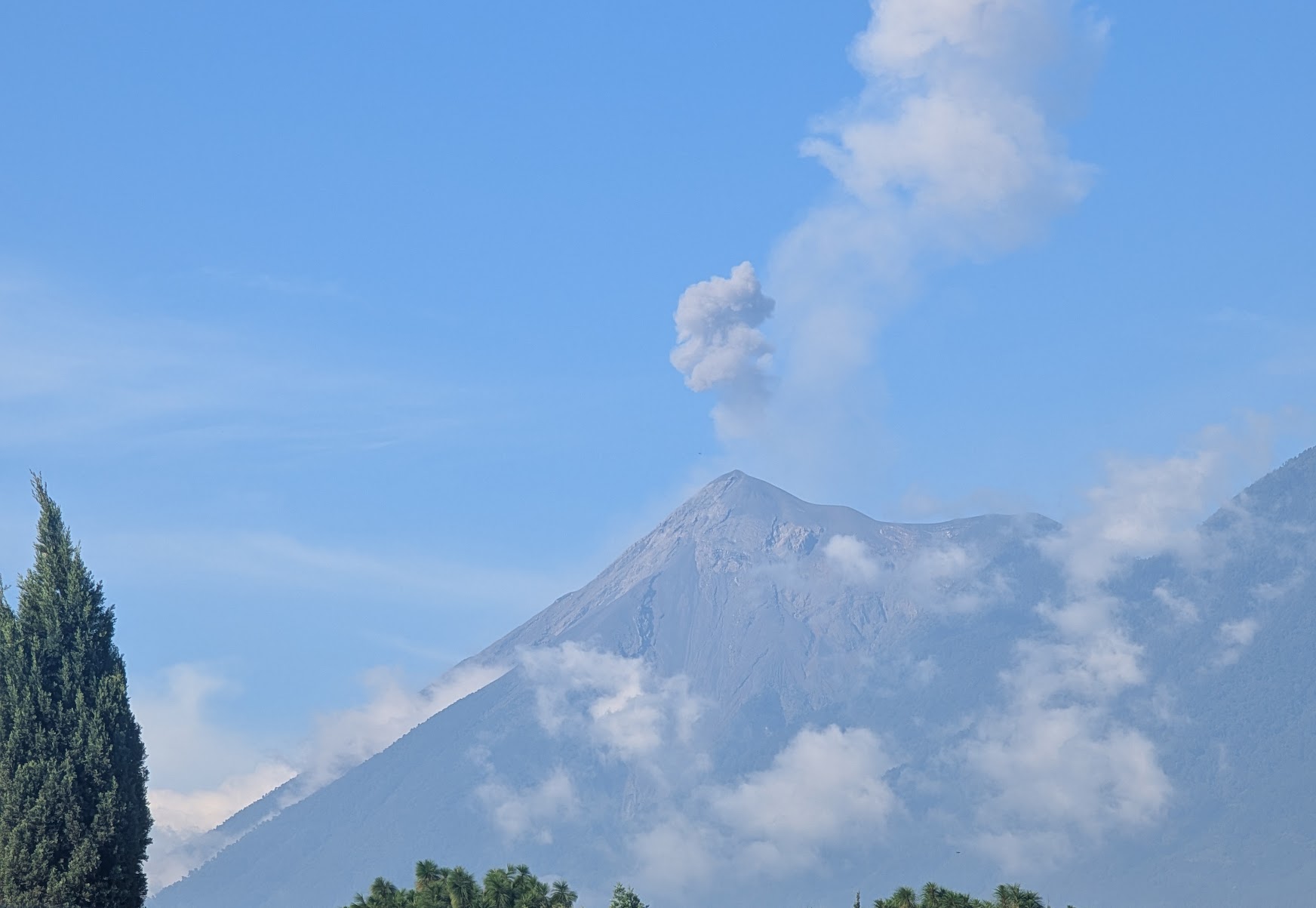
Pacaya is Guatemala’s most accessible volcano hike – an active volcano you can walk up in sneakers, roast marshmallows over volcanic vents, and be back in Antigua for a late lunch. If Acatenango is the advanced exam, Pacaya is the introduction. It is perfect for families, first-time hikers, and anyone who wants to stand on an active volcano without committing to an overnight ordeal.
That said, do not underestimate it. Pacaya is a real active volcano that erupted significantly in 2010 and 2021. INSIVUMEH monitors it constantly, and the trail closure system works. When it is open, it is safe. When it is not, your guide will know.
Quick Facts
| Detail | Info |
|---|---|
| Elevation | 2,552m (8,373 ft) |
| Duration | 4-5 hours round trip |
| Difficulty | Easy to Moderate |
| Elevation Gain | ~600m from trailhead |
| Park Entry | Q50 ($6.50 USD) |
| Guide Fee | Q100-150 ($13-20 USD), mandatory |
| Tour from Antigua | Q150-250 ($20-33 USD) |
| Best Months | Year-round (dry season best for views) |
| Trailhead | San Francisco de Sales, Escuintla |
| Nearest City | Antigua Guatemala (1 hour drive) |
What to Expect
The hike begins at the INGUAT visitor center in San Francisco de Sales, a small village at the base of the volcano. After registering and paying the Q50 park entry, you meet your guide and start walking.
The First Hour – Pine Forest
The trail starts gently through farmland, then enters pine forest. The path is wide and well-maintained, with a steady uphill grade. Children as young as 6-7 regularly complete this section without difficulty. The air smells like pine and volcanic sulfur – a distinctly Guatemalan combination. You will see horses tied up along the trail, available for rent if anyone in your group is struggling.
Hour Two – Volcanic Landscape
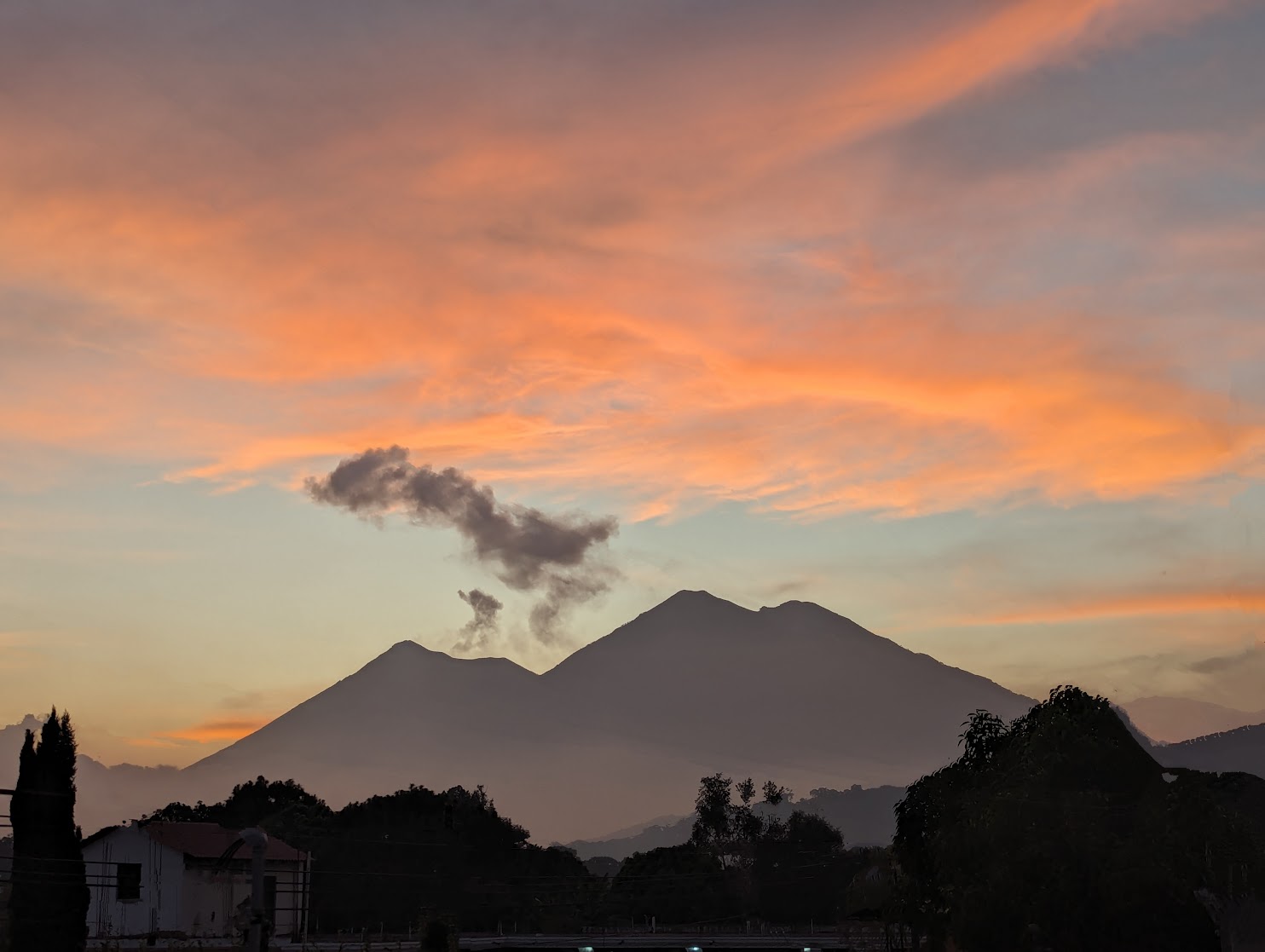
The trees thin out and the terrain shifts from dirt to dark volcanic rock. Old lava flows from previous eruptions create an alien landscape – twisted black rock formations, cracks venting steam, and sparse vegetation clinging to crevices. On clear days, the views open up dramatically: Volcan de Agua and Volcan de Fuego are visible to the north, Guatemala City sprawls to the northeast, and the Pacific lowlands stretch south.
At the Top – Hot Vents and Marshmallows
You do not summit Pacaya’s active cone – the trail takes you to a ridge on the flank where old lava flows meet active thermal areas. Here is where the experience gets memorable. Your guide will lead you to spots where the ground radiates heat. Stick your hand near certain cracks and you feel air hot enough to burn. The ground temperature in some vents exceeds 200C.
This is where the marshmallows come out. Guides carry bags of marshmallows and sticks. You hold them over the vents and they roast from volcanic heat – not a gimmick, genuinely hot enough to char them. It is a small thing, but it makes Pacaya feel different from any other hike.
You typically spend 30-45 minutes at the top exploring, taking photos, and enjoying the views before heading back down.
The Descent – 1 to 1.5 Hours
Coming down is faster but can be slippery on the loose volcanic rock. Decent shoes help. The trail is the same as the ascent, so you know what to expect.
Morning vs Afternoon Hikes
Most tour operators offer two departure times:
Morning (6-7 AM departure): Better for clear views. Clouds typically build in the afternoon, especially during rainy season. You are more likely to see Fuego erupting clearly and enjoy the full panorama. Back in Antigua by early afternoon.
Afternoon (1-2 PM departure): The light is different – warmer, more dramatic. If you time it right, you catch the lava glow at Pacaya’s vents as the sky darkens. Back in Antigua by 7-8 PM. This option is better on clear dry-season days when afternoon clouds are less likely.
My recommendation: Morning, especially if you only have one shot. The views are more reliable and the temperature is more comfortable for hiking.
How to Book
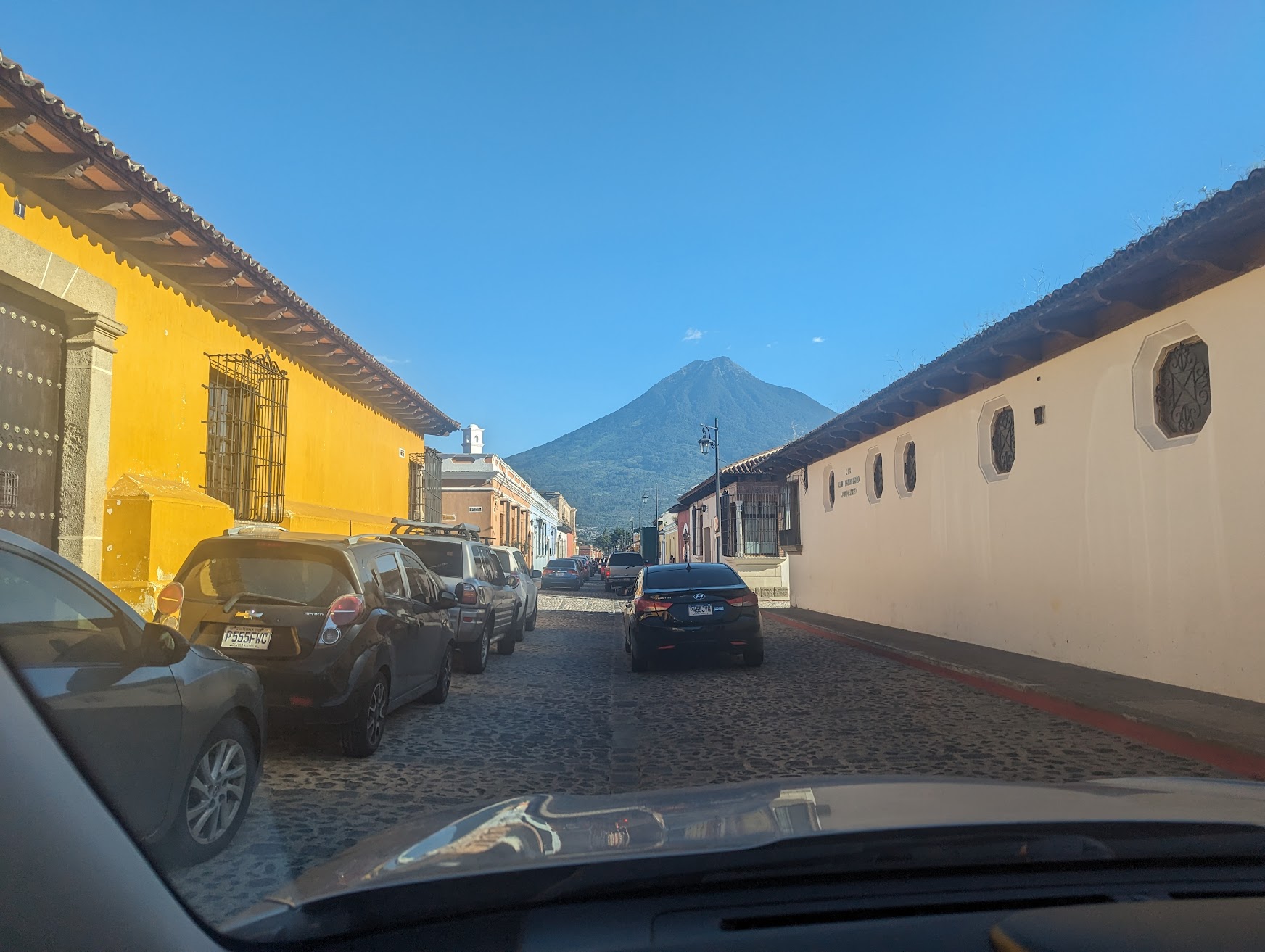
Pacaya is the easiest hike to book in Guatemala. Literally every hotel front desk, hostel common area, and travel agency in Antigua sells this tour. Walk down 5a Avenida in Antigua and you will pass a dozen signs for it.
Tour prices from Antigua: Q150-250 ($20-33 USD)
What is typically included:
- Round-trip transport from Antigua (1 hour each way)
- Certified INGUAT guide
- Marshmallows and sticks
- Walking stick (optional, provided free)
What is NOT included:
- Park entry Q50 (paid at the gate)
- Water and snacks
- Horse rental
- Tips for guide
You do not need to book in advance unless you are visiting during Semana Santa or a major holiday. Walk-up booking the day before or even same-day morning is usually fine.
Horse Rental
One of Pacaya’s unique features is the horse option. Local villagers station horses along the first section of the trail. For about Q100 ($13 USD), a handler will lead you on horseback through the forest section – roughly the first 60-70% of the trail. You dismount where the terrain gets too rocky for horses and walk the final section.
This makes Pacaya accessible to people with limited mobility, knee problems, or young children who cannot walk the full distance. The horses are sturdy mountain animals accustomed to the trail. Negotiate the price before mounting – Q100 is standard but they may ask for more.
What to Bring
Pacaya requires much less gear than the big volcano hikes:
- Good shoes – hiking boots or sturdy sneakers with grip. Flip-flops will not work on volcanic rock.
- 1-2 liters of water – there is no water source on the trail
- Sunscreen and hat – UV exposure is strong at 2,500m, especially on the exposed volcanic section
- Light jacket or fleece – it can be cool at the top, especially in the morning
- Camera – the views are worth it
- Cash – Q50 for park entry, extra if you want a horse or to buy souvenirs at the base
- Small snack – a granola bar or fruit
You do NOT need: sleeping bag, heavy layers, headlamp, trekking poles, or any overnight gear.
Getting There
Pacaya is in the municipality of San Vicente Pacaya, Escuintla department, about 1 hour south of Antigua Guatemala.
With a tour: Transport included. Vans pick up from hotels in Antigua and drive to the San Francisco de Sales visitor center.
Independently by car: From Antigua, take the road toward Escuintla (RN-14 south), turn off toward San Vicente Pacaya, and follow signs to the national park. The road is paved all the way. Parking at the visitor center is informal but free.
By public transport: Take a chicken bus from Antigua to Escuintla (Q10-15, 1 hour), then a local bus or pickup to San Vicente Pacaya (Q5-10). From the town, it is another short ride or 30-minute walk to the trailhead. This route is doable but slower – most people find the Q150 tour price worth the convenience.
Where to eat: The visitor center area has a few small tiendas selling snacks, water, and sometimes hot food. There are also vendedoras (food vendors) at the trailhead selling tortillas, chuchitos, and atol. For a proper meal, eat in Antigua before or after.
Costs Breakdown
| Item | GTQ | USD (approx) |
|---|---|---|
| Tour from Antigua (budget) | Q150 | $20 |
| Tour from Antigua (mid-range) | Q200-250 | $26-33 |
| Park entry | Q50 | $6.50 |
| Horse rental (optional) | Q100 | $13 |
| Guide tip | Q25-50 | $3.25-6.50 |
| Water and snacks | Q20-30 | $2.60-4 |
| Total (walking, budget) | Q245-280 | $32-37 |
| Total (with horse) | Q345-430 | $45-56 |
Prices verified March 2026. See current exchange rates for exact USD conversion.
Pacaya vs Acatenango
People often ask which volcano to hike. The answer depends on what you want:
| Pacaya | Acatenango | |
|---|---|---|
| Difficulty | Easy-Moderate | Hard |
| Duration | Half day | 2 days |
| Cost | Q200-300 total | Q300-500 total |
| Fitness needed | Basic | Good |
| Main draw | Hot vents, marshmallows, views | Fuego erupting at sunrise |
| Good for kids | Yes (ages 6+) | No (ages 14+ recommended) |
| Overnight | No | Yes |
If you can only do one: Acatenango is the once-in-a-lifetime experience. But if you have limited fitness, limited time, or are traveling with children, Pacaya delivers a memorable active volcano experience without the suffering.
If you can do both: Do Pacaya first as a warm-up, then tackle Acatenango a day or two later. Your legs and lungs will thank you for the preparation.
Safety Notes
- INSIVUMEH monitoring: Pacaya’s activity is tracked 24/7. If the alert level is elevated, the trail closes. Check with your tour operator the morning of your hike.
- Hot ground: Take the guide’s warnings about hot areas seriously. The volcanic rock can be over 200C – a misplaced step on the wrong spot can melt shoe soles or cause burns.
- Falling rocks: Stay on the marked trail. Straying onto active lava flows or unstable rock is genuinely dangerous.
- Weather: Afternoon thunderstorms are common May-October. Being on an exposed volcanic ridge during lightning is extremely dangerous. Morning hikes are safer during rainy season.
Related Pages
- All Guatemala Hiking Trails – Complete trail directory
- Acatenango Volcano – The big overnight volcano hike
- Antigua Guatemala – Base city for volcano hikes
- Exchange Rates – Current GTQ/USD conversion