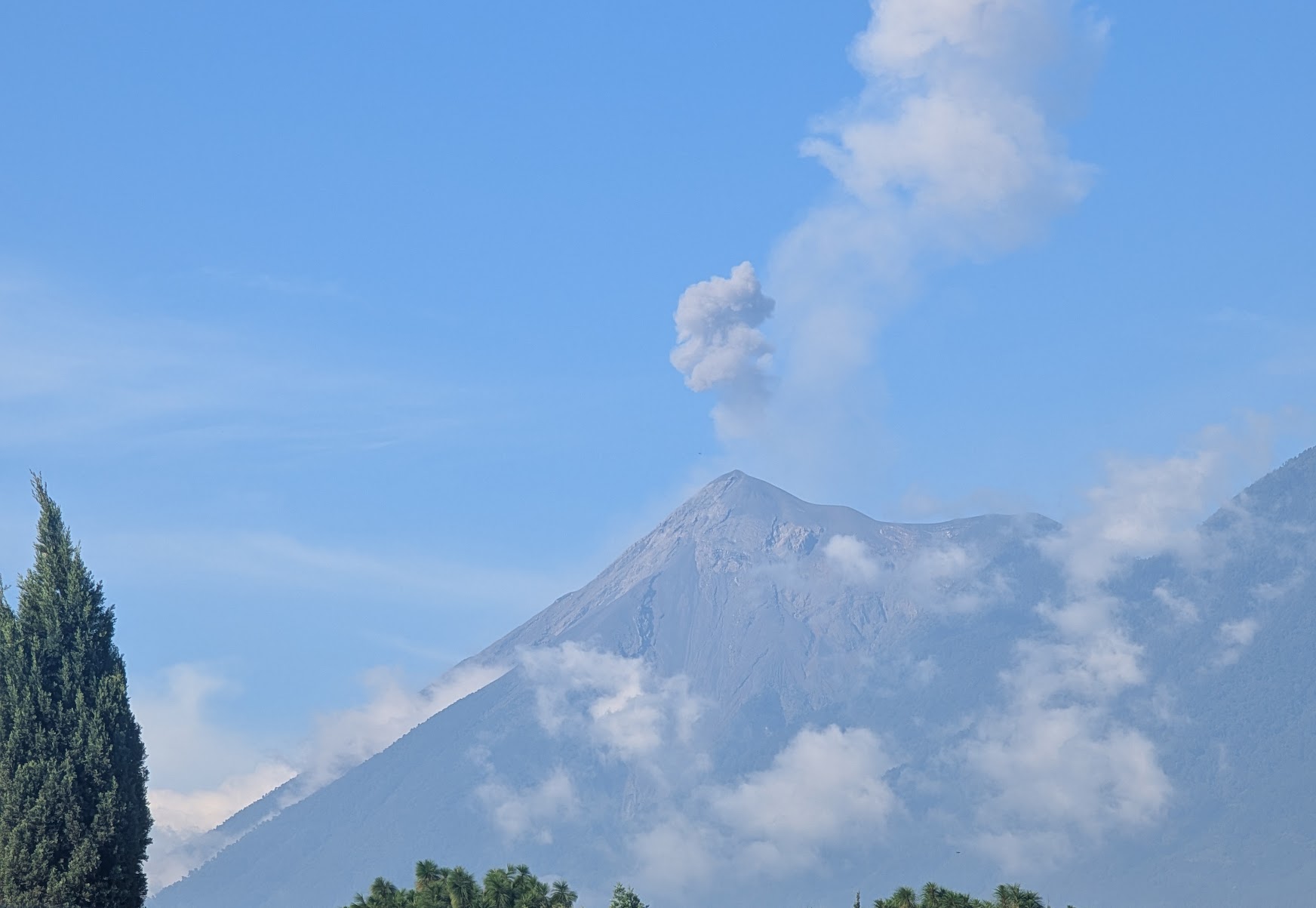
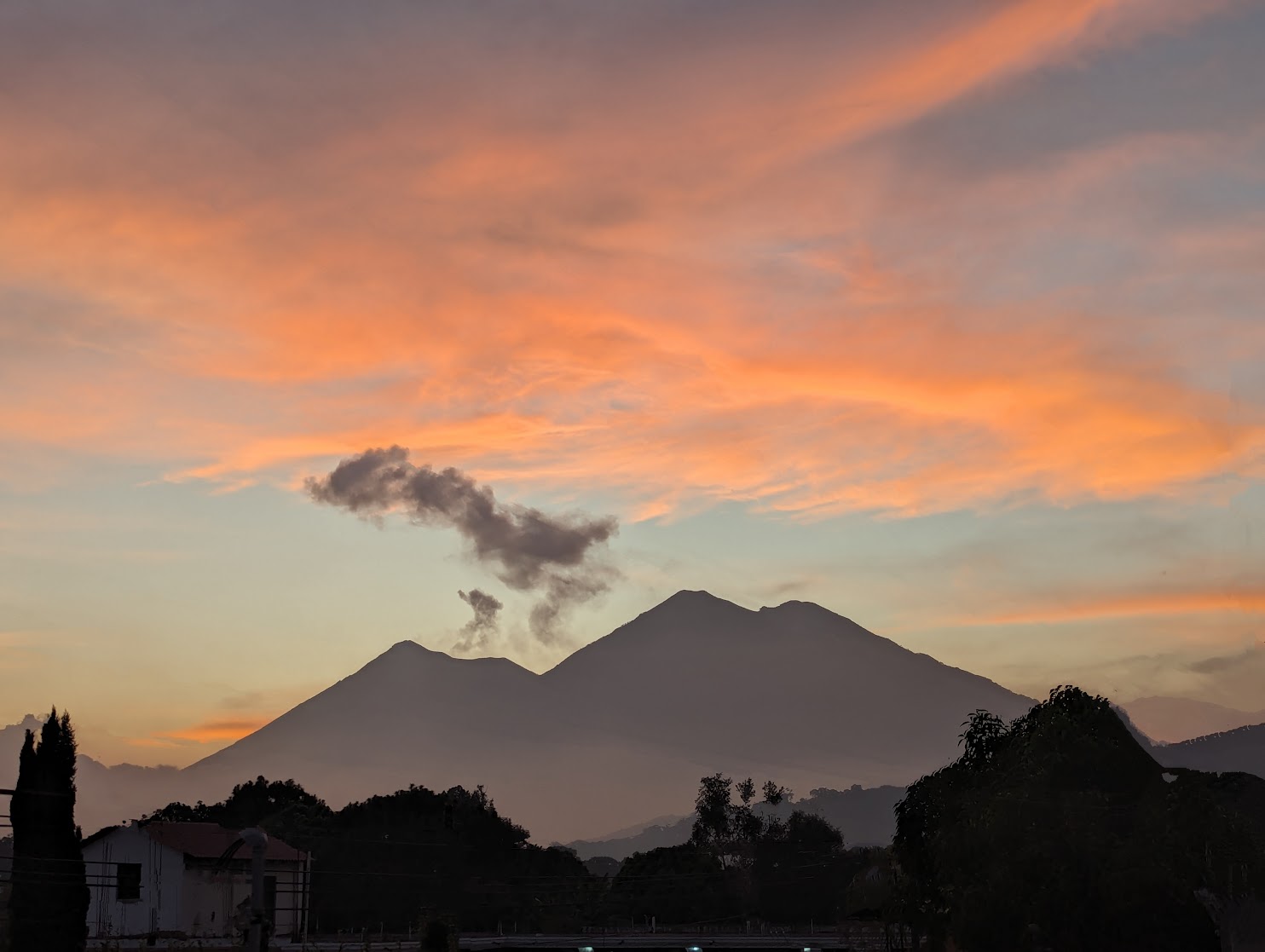
If there is one hike you do in Guatemala, make it Acatenango. Standing at 3,976 meters in the freezing pre-dawn darkness, watching Volcan de Fuego blast lava into the sky just a few kilometers away – there is nothing else like it in Central America. This is the hike that fills Instagram feeds, but no photo does justice to the sound and scale of watching an active volcano erupt from eye level while the sun rises behind it.
I have done this hike multiple times, in dry season and in rain, with tour groups and independently. Here is everything you need to know to do it right.
Quick Facts
| Detail | Info |
|---|---|
| Elevation | 3,976m (13,045 ft) |
| Duration | 2 days / 1 night |
| Difficulty | Hard |
| Elevation Gain | ~1,500m from trailhead |
| Tour Cost | Q150-300 ($20-39 USD) from Antigua |
| Park Entry | Q50 ($6.50 USD) |
| Guide | Mandatory |
| Best Months | November - March (dry season) |
| Trailhead | La Soledad, Chimaltenango |
| Nearest City | Antigua Guatemala (1 hour drive) |
What to Expect Hour by Hour
Day 1 – The Ascent (4-6 hours)
Most tours leave Antigua between 8 and 10 AM, arriving at the La Soledad trailhead around 11 AM after a 1-hour drive through mountain roads. You register, pay the Q50 park entry, and start walking.
The first 2 hours wind through farmland and pine forest. The trail is wide, mostly dirt, and the grade is steady but manageable. This is the deceptively easy part. Around the 2-hour mark, you enter dense cloud forest – mossy trees, fog, and the temperature drops noticeably. The terrain gets steeper.
Hours 3-4 are where the hike earns its “hard” rating. The trail turns into loose volcanic scree. For every two steps up, you slide one step back. Your lungs burn from the altitude. There is no flat ground to rest on – just relentless uphill switchbacks through increasingly sparse vegetation.
Between hours 4 and 6 (depending on your pace), you reach the campsite at approximately 3,600m. The tree line ends, and suddenly you see Fuego right across the valley. If it is erupting – and it usually is – you will hear it before you see it. A deep rumble, then a column of ash and sometimes glowing lava shooting skyward.
Evening at Camp
The campsite sits on a ridge with direct line of sight to Fuego, roughly 3 kilometers away. Most tour operators have permanent shelters here – basic wooden or metal structures with sleeping platforms. Independent hikers pitch tents on flat clearings.
Dinner is usually simple – pasta, soup, or sandwiches provided by your guide. Then you wait for dark. Once the sun sets, Fuego puts on its real show. Every 15 to 45 minutes, the volcano sends up lava that glows bright orange against the black sky. The rumble carries across the valley and you feel it in your chest. Between eruptions, the stars at 3,600m are extraordinary – no light pollution for dozens of kilometers.
Temperatures drop to -5C or lower. This is the part most people underestimate. A cheap sleeping bag from Antigua will leave you shivering all night.
Day 2 – Summit Push and Descent (5-6 hours)
Guides wake the group between 3 and 4 AM for the summit push. The final 376 meters of elevation gain takes 1-1.5 hours in the dark, climbing loose volcanic rock by headlamp. It is cold, windy, and steep.
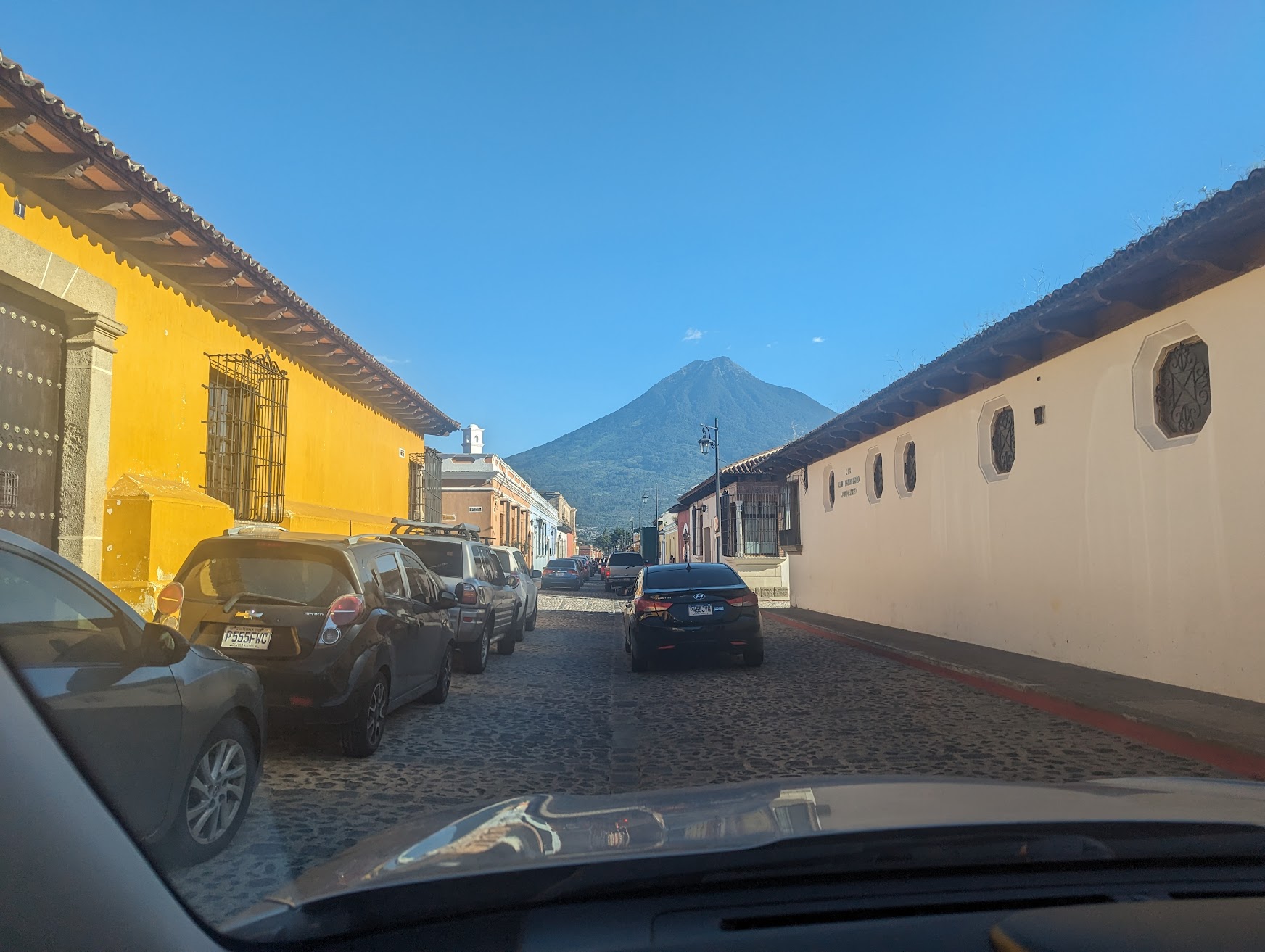
The payoff comes at the summit. As the sky lightens, you see the entire volcanic chain – Fuego erupting below you, Agua’s perfect cone to the east, the Pacific coast shimmering to the south, and on clear days, the highlands stretching north toward Mexico. The sunrise itself, with Fuego erupting in silhouette, is the single most photographed moment in Guatemala.
After sunrise, you descend the same trail. Going down takes 3-4 hours and is hard on the knees. Most groups arrive back at the trailhead by noon and return to Antigua by early afternoon.
How to Book
Tour Operators from Antigua
Every hostel, hotel, and travel agency in Antigua sells Acatenango tours. Prices range from Q150 to Q300 ($20-39 USD). Here are the most established operators:
- OX Expeditions – Premium option, well-maintained gear, smaller groups. Q250-300.
- Tropicana Hostel – Budget-friendly, large groups, basic gear. Q150-200.
- Wicho & Charlie’s – Mid-range, good reputation, reliable guides. Q200-250.
- Old Town Outfitters – Higher-end, good cold weather gear included. Q250-300.
What is typically included: Round-trip transport from Antigua, certified guide, 3 meals (lunch, dinner, breakfast), tent or shelter, sleeping bag (quality varies), walking stick.
What is NOT included: Park entry Q50, personal snacks, water, tips for guide.
Going Independent
It is possible but uncommon. You need to arrange your own transport to La Soledad, hire a local guide at the trailhead (Q100-200), and bring all your own gear including tent, sleeping bag, food, and cooking equipment. The savings are minimal compared to a tour, but you get more flexibility on pacing and schedule.
What to Bring
This is where most people make mistakes. Acatenango is genuinely cold at night – colder than many people from warm climates have ever experienced.
Essential:
- Sleeping bag rated to -5C or colder (rent a good one in Antigua if your tour’s bag looks thin – Q50-75 rental)
- Headlamp with fresh batteries
- 3 liters of water minimum
- Warm layers: thermal base layer, fleece, insulated jacket
- Rain jacket (even in dry season)
- Gloves and warm hat/beanie
- Sturdy hiking shoes with ankle support
- Snacks – trail mix, chocolate, energy bars
- Cash for park entry and tips
Nice to Have:
- Trekking poles (save your knees on descent)
- Hand warmers
- Camera with charged battery (cold drains batteries fast)
- Buff or neck gaiter for wind
Do Not Bring:
- Cotton clothing (it absorbs sweat and makes you colder)
- Too much water (3L is enough – there is no refill point anyway)
- Heavy camera gear unless you are prepared to carry it up loose scree
Getting There
Acatenango is accessed from La Soledad village in the Chimaltenango department, about 1 hour by vehicle from Antigua Guatemala.
With a tour: Transport is included. Vans pick up from your hotel in Antigua at the scheduled time.
Independently: Drive toward Chimaltenango on the Interamericana (CA-1), turn south at Parramos, and follow signs to La Soledad. The last stretch is unpaved. There is informal parking near the trailhead. Alternatively, take a chicken bus from Antigua toward Chimaltenango and ask to be dropped at the Acatenango turnoff – from there, arrange a pickup truck or walk the final stretch.
Where to eat nearby: There are small tiendas at La Soledad selling snacks and water, but nothing substantial. Eat a full breakfast in Antigua before leaving. The village of San Jose Calderas on the way back has a few comedores for a post-hike meal.
Costs Breakdown
| Item | GTQ | USD (approx) |
|---|---|---|
| Tour package (budget) | Q150 | $20 |
| Tour package (mid-range) | Q200-250 | $26-33 |
| Tour package (premium) | Q250-300 | $33-39 |
| Park entry | Q50 | $6.50 |
| Sleeping bag rental (upgrade) | Q50-75 | $6.50-10 |
| Guide tip | Q50-100 | $6.50-13 |
| Extra snacks/water | Q30-50 | $4-6.50 |
| Total (budget) | Q280-350 | $37-46 |
| Total (comfortable) | Q400-500 | $52-65 |
Prices verified March 2026. See current exchange rates for exact USD conversion.
Tips from Experience
-
Acclimatize first. Spend at least 2-3 days in Antigua (1,530m) before attempting Acatenango. If you fly in from sea level and hike the next day, altitude sickness is very likely above 3,500m.
-
Train on Pacaya. If you are unsure about your fitness, do the Pacaya volcano hike first. It is shorter, easier, and gives you a sense of hiking at altitude.
-
Start slow. The biggest mistake is going too fast in the first hour when the trail feels easy. Set a sustainable pace from the start. Your guide should set a reasonable rhythm – if they are racing, ask them to slow down.
-
Invest in a good sleeping bag. The difference between a Q50 thin bag and a proper -10C bag is the difference between a miserable sleepless night and actually enjoying the experience.
-
Dry season matters. November through March gives you the best chance of clear skies for the summit sunrise. During rainy season (June-October), you might summit in complete fog and see nothing. The hike is still possible, but the payoff is uncertain.
-
Weekdays are better. Acatenango gets 200+ hikers on weekends and holidays. Midweek, you might share the campsite with 20-30 people. The trail feels completely different.
-
Fuego is always active but varies. Some nights it erupts every 15 minutes with visible lava. Other nights, it might just produce ash columns. You cannot control this – but even a “quiet” night usually delivers at least a few impressive eruptions.
Related Pages
- All Guatemala Hiking Trails – Complete trail directory
- Pacaya Volcano – Easier warm-up hike near Antigua
- Volcan de Agua – Antigua’s iconic cone
- Antigua Guatemala – Base city for volcano hikes
- Exchange Rates – Current GTQ/USD conversion