You can live comfortably in Coban for $500 to $800 a month. That is not a bare-bones-survival number — it covers a private apartment, three meals a day, internet, and occasional weekend trips to Semuc Champey. Coban is the capital of Alta Verapaz, a working city of 90,000 people in Guatemala’s cloud forest, and it is one of the last places in the country where you can live well on genuine developing-world prices. There are no tourist markups because there are almost no tourists living here.
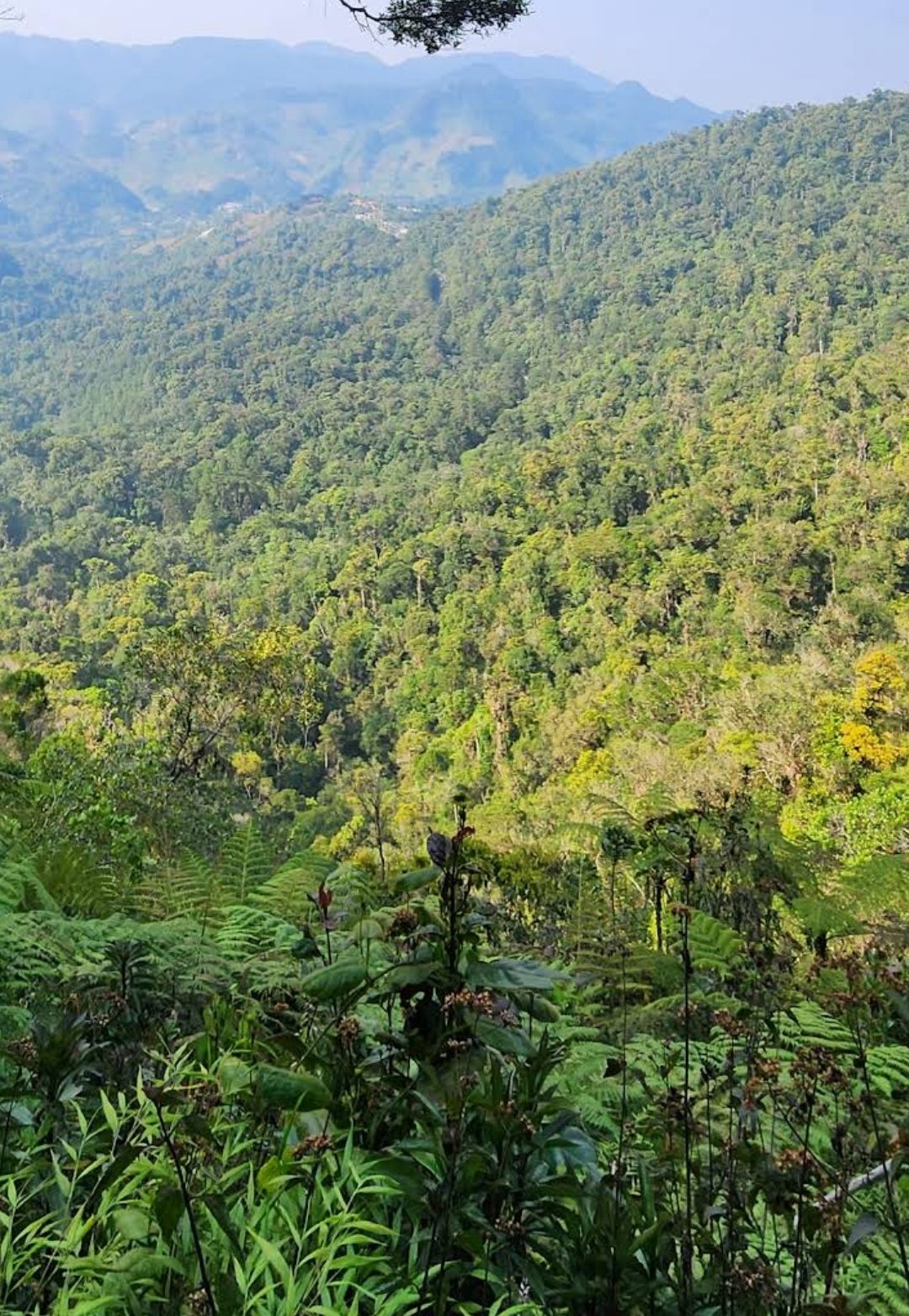
Coban is not on anyone’s “top expat destinations” list, and that is the point. It is a gateway to Guatemala’s most dramatic natural landscapes — Semuc Champey’s turquoise pools, the Lanquin caves, the Biotopo del Quetzal cloud forest reserve — while being an actual city with hospitals, banks, and supermarkets. The Q’eqchi’ Maya culture is vibrant and visible in ways you will not experience in Antigua’s polished colonial streets. If you want to see Guatemala as it is rather than as it markets itself, Coban delivers.
This guide uses real March 2026 prices, cross-referenced with current exchange rates (approximately 1 USD = 7.7 GTQ). For the country-wide picture, see our complete cost of living guide.
Monthly Budget Summary
Updated March 2026. All figures monthly, single person, in USD.
| Expense | Budget | Comfortable | Premium |
|---|---|---|---|
| Rent (1BR furnished) | $100–200 | $200–350 | $400–650 |
| Groceries | $80–120 | $140–200 | $250–350 |
| Dining out | $40–70 | $80–150 | $180–300 |
| Utilities (electric, water, gas) | $25–40 | $35–60 | $55–90 |
| Internet | $25–35 | $30–40 | $40–60 |
| Transport | $10–20 | $20–40 | $50–120 |
| Healthcare | $10–20 | $25–50 | $50–100 |
| Entertainment | $15–30 | $35–70 | $70–140 |
| Total | $400–600 | $700–1,000 | $1,200–1,900 |
What each tier feels like:
- Budget ($400–600): Basic room or shared house, eating at the mercado, walking or taking micro-buses, cooking most meals. Very doable for someone with minimal needs and basic Spanish. This is how many young Guatemalan professionals in Coban live.
- Comfortable ($700–1,000): Private furnished apartment with hot water and internet, eating out regularly, weekend trips to Semuc Champey or the cloud forest, a gym membership. A genuinely pleasant life by any standard.
- Premium ($1,200–1,900): The nicest apartment in town, dining at Coban’s best restaurants, a car or frequent Uber, and a lifestyle that is luxurious by local standards. There is a ceiling on premium spending in Coban — the city simply does not have $50 restaurants or $2,000 apartments.
Rent: The Lowest in Any Real City
Coban has the lowest rents of any Guatemalan city with actual infrastructure (hospital, banks, fiber internet). The rental market is almost entirely local — there are no Airbnb-inflated prices or “furnished expat apartments” marketed at premium rates.
Central Coban
The central area around Parque Central and the cathedral is compact and walkable. Banks (Banrural, BAM, Banco Industrial), the mercado, and most services are within a 10-minute walk.
| Type | Monthly Rent | Notes |
|---|---|---|
| Room in shared house | $60–120 | Basic, may share bathroom |
| Studio / efficiency | $100–180 | Limited furnished options |
| 1BR apartment (furnished) | $200–350 | Includes basic furniture, sometimes WiFi |
| 2BR apartment | $280–450 | Good for couples |
| House (3BR) | $350–600 | Often unfurnished |
Finding Rentals
There is no centralized rental platform for Coban. Your options:
- Facebook groups — “Alquileres Coban” and “Alta Verapaz Clasificados” post listings
- Walking the streets — “Se Alquila” signs on buildings and houses
- Word of mouth — ask at restaurants, cafes, or the mercado
- Local real estate agents — a handful exist, mostly Spanish-only
Expect unfurnished. Most Coban rentals come empty or with minimal furniture. A furnished apartment is a premium find — you may need to buy basics (bed, table, chairs) from the mercado or second-hand shops. Budget Q1,000–2,500 ($130–325) for basic furnishing if needed.
No seasonal pricing. Unlike Antigua or Panajachel, Coban does not have tourist-season rent spikes. Prices are stable year-round.
Food: Local Prices, Incredible Coffee
Coban is in the heart of Guatemala’s coffee country (Alta Verapaz and neighboring Baja Verapaz produce some of the country’s finest beans). It is also a center of Q’eqchi’ Maya cuisine, which emphasizes corn, beans, turkey (chompipe), and forest herbs.
Street Food and Comedores
| Food | Price (GTQ) | Price (USD) |
|---|---|---|
| Comida corriente (full lunch) | Q12–20 | $1.56–2.60 |
| Desayuno chapín (eggs, beans, tortillas) | Q10–18 | $1.30–2.35 |
| Kaq’ik (traditional turkey soup) | Q25–40 | $3.25–5.20 |
| Tamales (each) | Q5–8 | $0.65–1.04 |
| Tostadas | Q3–5 | $0.39–0.65 |
| Fresh coffee (market) | Q5–8 | $0.65–1.04 |
| Cardamom tea | Q3–5 | $0.39–0.65 |
Kaq’ik is Coban’s signature dish — a spiced turkey soup with chiles and herbs, served with rice and tamales. It is a UNESCO-recognized Q’eqchi’ Maya recipe and costs Q25–40 ($3.25–5.20) at local restaurants. You will not find it this authentic or affordable anywhere else in Guatemala.
Coban’s comedores are the cheapest in any departmental capital. A full plate with protein, rice, beans, tortillas, salad, and a drink for Q12–20 ($1.56–2.60) is standard. The mercado central has the widest selection and lowest prices.
Coffee: From the Source
Alta Verapaz is one of Guatemala’s premier coffee-growing regions. You are drinking coffee at the source, and it shows in both quality and price.
- Mercado coffee (basic brew): Q5–8 ($0.65–1.04)
- Specialty cafe (local roast): Q15–30 ($1.95–3.90)
- Whole beans (1 lb, local roaster): Q25–50 ($3.25–6.50)
A pound of excellent single-origin Guatemalan coffee costs $3–6.50 here vs $15–25 at a specialty roaster in the US. If you are a coffee enthusiast, Coban is paradise.
Restaurants
Coban has a modest restaurant scene — a handful of mid-range restaurants, some fast food chains (Pollo Campero, Hamburguesas del Puente), and many comedores.
| Type | Per Person Cost |
|---|---|
| Comedor / market | Q12–25 ($1.56–3.25) |
| Local restaurant | Q30–60 ($3.90–7.80) |
| Mid-range (best in town) | Q60–120 ($7.80–15.60) |
Weekly grocery budget: $20–30 (budget, market shopping), $35–50 (comfortable), $60–85 (premium).
Grocery shopping at the mercado central is the most affordable way to eat. Despensa Familiar and a small Walmart (Paiz) cover supermarket needs. Selection is limited compared to Guatemala City — imported items are harder to find and more expensive.
Transportation: Small City, Low Costs
Coban’s center is compact enough to walk for most daily needs. The city does not have Uber, but local transport is cheap and functional.
| Transport | Cost | Notes |
|---|---|---|
| Walking | Free | Practical for central Coban |
| Micro-bus (city routes) | Q1–2 ($0.13–0.26) | Main city routes |
| Tuk-tuk | Q5–15 ($0.65–1.95) | Within city |
| Taxi | Q15–40 ($1.95–5.20) | Negotiate, no meter |
| Bus to Guatemala City | Q50–80 ($6.50–10.40) | 4–5 hours, Transportes Monja Blanca |
| Bus to Lanquin | Q30–40 ($3.90–5.20) | 2.5–3 hours, rough road |
| Shuttle to Semuc Champey | Q60–100 ($7.80–13) | Tourist shuttle from Lanquin |
Monthly transport budget: $15–35 if staying in Coban, $40–80 if making regular trips to surrounding areas.
No Uber. Coban does not have ride-hailing apps. Taxis are available but informal — agree on the price before getting in. Tuk-tuks are the standard in-city transport.
Weekend trips: Semuc Champey is the main draw, reachable by bus to Lanquin (Q30–40, 2.5–3 hours) plus a short ride to the site. The Biotopo del Quetzal (on the road to Guatemala City) is closer at about 1.5 hours. Budget Q100–200 ($13–26) per weekend trip.
Internet: Adequate, Not Amazing
Coban has cable and limited fiber internet in the center. It is functional for remote work but not as reliable as Guatemala City or Antigua.
| Provider | Speed | Monthly Cost | Notes |
|---|---|---|---|
| Tigo Cable | 20–40 Mbps | Q180–280 ($23–36) | Center and nearby areas |
| Tigo Fiber | 50 Mbps | Q235 ($30) | Limited availability |
| Claro Cable | 15–30 Mbps | Q160–250 ($21–32) | Center |
| Starlink | 50–150 Mbps | Q345–510 ($45–66) | Growing among expats |
| Mobile hotspot | 10–20 Mbps | Q100–200 ($13–26) | Backup option |
Realistic assessment: Cable internet at 20–40 Mbps is the standard in central Coban. It works for video calls most of the time but has occasional dropouts. Fiber is expanding but not everywhere. If reliable internet is critical for your work, confirm availability at your specific address before committing to a lease.
Starlink is increasingly popular among the handful of foreigners living in the Alta Verapaz region. At $45–66/month it is expensive relative to cable, but delivers more consistent speeds.
Coworking: There is no formal coworking space in Coban. A few cafes have acceptable WiFi for working. Most remote workers in Coban work from home.
For ISP details across Guatemala, see our internet guide.
Healthcare
Coban has basic to moderate healthcare. Hospital Regional de Coban is the main facility, supplemented by several private clinics.
| Service | Cost |
|---|---|
| General doctor visit | Q75–200 ($10–26) |
| Specialist consultation | Q150–400 ($19.50–52) |
| Dental cleaning | Q100–250 ($13–32) |
| Blood work (basic panel) | Q80–200 ($10.40–26) |
| Pharmacy (antibiotics, generic) | Q20–60 ($2.60–7.80) |
Healthcare costs in Coban are 20–35% lower than Guatemala City. The hospital handles routine and moderate emergencies. For specialized care, Guatemala City is 4–5 hours by bus. This is a real consideration — if you have a chronic condition requiring regular specialist care, Coban is not the right fit.
Monthly healthcare budget: $20–40 for routine needs. Private insurance through a Guatemalan provider is available but most Coban residents use pay-per-visit.
Utilities
Coban’s cloud forest climate means consistent temperatures (15–24C / 59–75F) with no need for air conditioning and only occasional need for heating. Expect rain — lots of rain.
| Utility | Monthly Cost | Notes |
|---|---|---|
| Electricity | Q80–180 ($10.40–23.40) | Lower usage than hot climates |
| Water | Q25–60 ($3.25–7.80) | Municipal |
| Purified water (garrafones) | Q30–50 ($3.90–6.50) | 2–4 per month |
| Gas (cooking/hot water) | Q60–120 ($7.80–15.60) | Tankito delivery |
| Cell phone (prepaid) | Q50–150 ($6.50–19.50) | Tigo or Claro |
Total utilities: $30–55/month. Electricity is the variable — Coban’s cool climate keeps bills lower than Guatemala City or the coast, but electric water heaters add Q50–100 ($6.50–13) if your apartment uses one.
How Does Coban Compare?
Coban vs Other Guatemala Cities
| Expense | Coban | Xela | Antigua | GC (Zona 10) |
|---|---|---|---|---|
| 1BR apartment | $200–350 | $300–450 | $500–800 | $750–1,035 |
| Comida corriente | Q12–20 ($1.56–2.60) | Q15–25 ($2–3.25) | Q25–35 ($3.25–4.55) | Q25–40 ($3.25–5.20) |
| Internet | 20–50 Mbps cable | 50 Mbps fiber | 50 Mbps fiber | 100+ Mbps fiber |
| Hospital | Regional | Regional (better) | Basic + 45 min GC | World-class |
| Comfortable total | $700–1,000 | $900–1,200 | $1,200–1,700 | $2,200–3,000 |
Coban vs Xela: Coban is 15–25% cheaper overall. Xela has better infrastructure (hospitals, restaurants, internet, coworking). Coban has better nature access and lower rent. Choose Xela if you want a functional city with a university vibe. Choose Coban if you prioritize nature and rock-bottom costs.
Coban vs Lake Atitlan: Similar price levels, very different settings. Atitlan has an established expat community and water-based lifestyle. Coban has almost no expat community but is a proper city with banks, hospitals, and roads. Atitlan wins on community; Coban wins on infrastructure and accessibility.
Coban vs International Destinations
| Location | Comfortable Monthly | Internet | Nature Access |
|---|---|---|---|
| Coban | $700–1,000 | 20–50 Mbps | Exceptional |
| Da Nang, Vietnam | $700–1,000 | 50–100 Mbps | Good |
| Oaxaca, Mexico | $1,000–1,500 | 30–80 Mbps | Good |
| Medellin, Colombia | $1,200–1,800 | 50–200 Mbps | Good |
Coban competes on price with the cheapest destinations in Southeast Asia. The nature access — cloud forests, limestone caves, waterfalls, and one of the best birdwatching regions in the Americas — is world-class. Where it falls short is internet reliability and expat infrastructure.
Living in Coban: What to Expect
The rain is constant. Coban averages 2,400mm of rainfall per year. It does not rain all day, but drizzle and mist are part of daily life. Bring waterproof shoes, a rain jacket, and accept that your laundry will take longer to dry. Locals call it “chipi-chipi” — the fine, persistent mist that defines the cloud forest.
The Q’eqchi’ community is central. Coban is the cultural capital of the Q’eqchi’ Maya people. Traditional dress, language, and customs are visible everywhere. The market is a Q’eqchi’ institution. If you make the effort to learn a few Q’eqchi’ phrases beyond Spanish, you will be rewarded with a warmth that goes beyond typical friendliness.
Cardamom is everywhere. Alta Verapaz is the world’s largest cardamom exporter (most goes to the Middle East). You will smell it in the market, find it in drinks and desserts, and see it drying on roads outside town. Cardamom tea is a local staple and costs Q3–5 ($0.39–0.65).
The expat community is tiny. You might meet 5–10 long-term foreigners in the entire city, mostly NGO workers, researchers, or people married to locals. This means total immersion — your social life will be in Spanish, your daily routines will be Guatemalan, and you will experience a side of the country that tourists rarely see.
Semuc Champey is your backyard. Living in Coban puts one of Central America’s most spectacular natural sites 2.5–3 hours from your door. Weekend trips to the turquoise limestone pools become routine, not once-in-a-lifetime events. The Lanquin caves, the Biotopo del Quetzal, and the Chixoy river system are all within day-trip range.
Sample Monthly Budget: Remote Worker in Coban ($780)
| Expense | Amount |
|---|---|
| 1BR apartment, central (furnished, WiFi incl.) | $280 |
| Groceries (mercado + Despensa Familiar) | $150 |
| Dining out (comedores 5x/week + restaurant 1x/week) | $100 |
| Tuk-tuks + occasional bus | $25 |
| Utilities (electric, water, gas) | $40 |
| Cell phone (Tigo 15GB) | $10 |
| Healthcare (occasional visit) | $15 |
| Entertainment (cafes, weekend trip) | $60 |
| Starlink top-up (if cable is unreliable) | $50 |
| Misc (household, laundry) | $50 |
| Total | $780 |
Related Resources
- Complete Cost of Living in Guatemala — country-wide breakdown with all 7 cities
- Cost of Living in Quetzaltenango — nearest comparable city
- Cost of Living at Lake Atitlan — another budget destination
- Cost of Living in Antigua Guatemala — expat favorite comparison
- Coban Municipality Page — demographics, elevation, safety data
- Alta Verapaz Department — regional overview
- Best Places to Live in Guatemala — ranked comparison
- Exchange Rates — live USD/GTQ conversion
- Internet in Guatemala — ISP speeds and coverage
- Food Prices — current market and supermarket prices
- Remittance Rates — compare transfer costs from the US