If you want walkability, Spanish-school proximity, and the colonial-city feel, Zona 1 Centro Histórico. If you have a car and want modern apartments with parking, Zona 3. If you want quiet residential and don't mind commuting, Zona 8 or Zona 9. If you are a budget-conscious student, the homestay-or-shared-room economy around Zona 6 (USAC) is unbeatable. The single thing nobody warns you about: Xela sits at 2,330 meters elevation and gets genuinely cold at night November through February. No house has central heating. Plan accordingly.
The 5-Zone Comparison
Based on Encuentra24 Xela listings and owner field research. Prices in USD/month for a furnished 1BR apartment.
| Zone | Vibe | Rent 1BR (USD/mo) | Walkable? | Parking | Internet | Security tier |
|---|---|---|---|---|---|---|
| Zona 1 Centro Histórico | Colonial walkable core, Spanish schools | $250–500 | ⭐⭐⭐⭐⭐ | ❌ Street, scarce | ⭐⭐⭐⭐ Tigo/Claro fiber | ⭐⭐⭐⭐ PMT patrols |
| Zona 3 | Modern shopping + business | $300–550 | ⭐⭐⭐ | ⭐⭐⭐⭐ Garages standard | ⭐⭐⭐⭐⭐ Fiber widely | ⭐⭐⭐⭐ |
| Zona 8 | Family-residential | $300–500 | ⭐⭐ Car needed | ⭐⭐⭐⭐ Driveways | ⭐⭐⭐⭐ | ⭐⭐⭐⭐ |
| Zona 9 | Outer residential | $250–450 | ⭐⭐ | ⭐⭐⭐⭐ | ⭐⭐⭐ | ⭐⭐⭐⭐ |
| Zona 6 | University belt around USAC | $150–350 | ⭐⭐⭐ | ⭐⭐ Street | ⭐⭐⭐ | ⭐⭐⭐ Student-loud |
Zona 1 Centro Histórico — The Default Choice
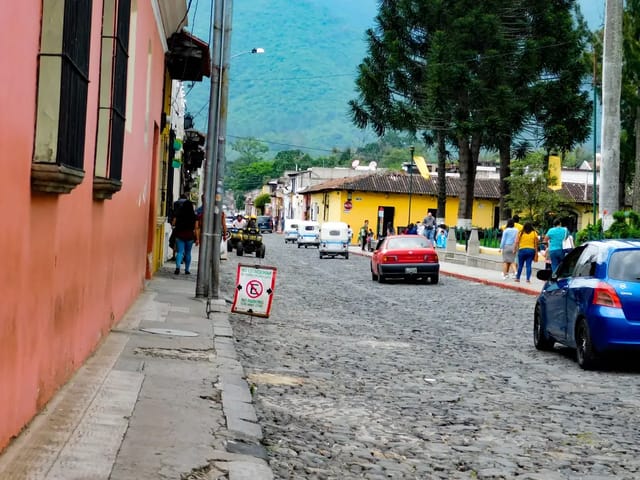
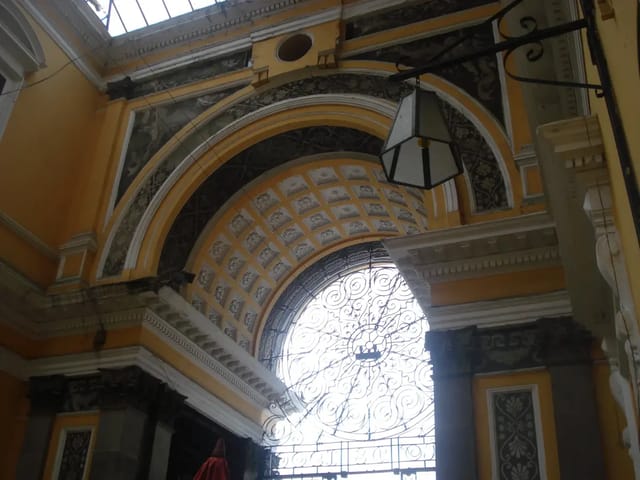
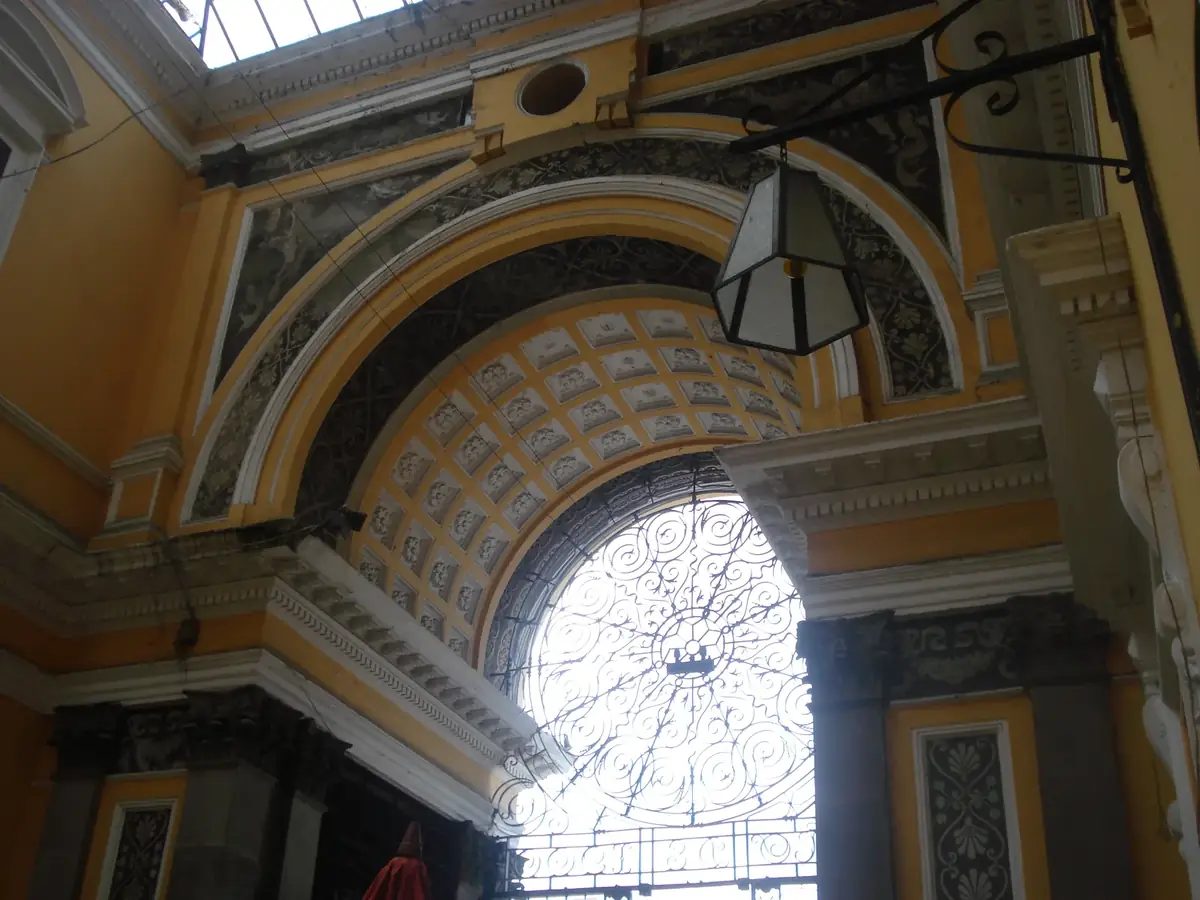
The Centro Histórico is Xela’s colonial core, anchored by the Parque Centro América and the Pasaje Enriquez (a 19th-century covered passage that houses Salón Tecún and several other bars). It is where most foreigners live, where every Spanish school operates, and where you can leave the apartment in the morning and not need a vehicle until you decide to leave the city.
Walkability is the dominant feature. Within a 10-minute walk of the Parque Centro América you have at least 15 reputable Spanish schools, dozens of cafés, several full-service supermarkets (Despensa Familiar, Paiz, La Torre), the Mercado La Democracia, and three banks with ATMs. Xela is small enough that this single grid covers most daily needs.
The architecture is genuinely colonial — single-story homes painted in faded colors, interior courtyards, and the same low-rise scale that Antigua has but without the UNESCO restrictions. You can renovate a Zona 1 house in Xela without months of permit nightmare. The tradeoff is that older homes can be drafty and lack modern insulation; the cold reaches into bedrooms in a way that newer construction does not.
Rent in Zona 1 runs $250-500/month for a furnished 1BR. At the upper end ($500-800), you get larger restored colonial homes, sometimes with multiple bedrooms and a small interior garden. At the lower end, expect compact apartments above commercial storefronts, sometimes with shared courtyards.
Who Zona 1 is right for: Spanish students (it is genuinely the best zone for this), no-car couples, retirees who want walkability, remote workers who like café culture, anyone in Xela for less than 6 months.
Who should consider another zone: Families with multiple vehicles (parking is brutal). Light sleepers (the Pasaje Enriquez bars run until 1 AM Friday and Saturday; chicken buses start their early-morning routes around 4:30 AM). Anyone who wants modern construction with a garage.
Zona 3 — The Modern Alternative
Zona 3 is Xela’s modern commercial and residential strip — Pradera Xela mall, big-box retail, modern apartment buildings with elevators and underground parking, and a road network designed for cars rather than feet. If Zona 1 looks like 1880, Zona 3 looks like 2010.
Rent for a modern furnished 1BR runs $300-550/month. The apartments are smaller than Zona 1 colonial homes but newer, better-insulated, and almost always include garage parking. Internet is generally better here — Tigo fiber and Claro fiber are widely available with packages up to 200 Mbps for around Q400/month.
The tradeoff is character. Zona 3 is functional and convenient but does not feel particularly Guatemalan; you could be in any modern Latin American mid-size city. The colonial atmosphere that draws people to Xela is mostly absent.
Who Zona 3 is right for: Remote workers who need reliable fiber and a desk-based work setup, families with school-age children, anyone who values modern construction and parking over colonial atmosphere, longer-term residents (1+ year) who already explored Zona 1 and want more comfort.
Zona 8 and Zona 9 — Residential and Quiet
These two zones cover the outer residential ring south and west of the center. Single-family homes on quiet streets, driveways with garages, family neighborhoods where you might meet your neighbors and never see another foreigner.
Rent runs $300-500/month for a 1BR or small house, $400-700 for a 3-bedroom family home. Construction is mixed — some 1980s-1990s concrete-block homes that have aged well, some newer 2010s builds that resemble Zona 3 in finishes. The streets are quiet enough that you can hear roosters and dogs more than traffic.
The main drawback is distance and dependence on a vehicle. A tuk-tuk to the Parque Centro América runs Q15-25 (one way), and the trip takes 8-15 minutes depending on traffic. For daily Spanish-school students this is manageable but not great; for residents who only go to the center once or twice a week, it is fine.
Internet quality is good in most of Zona 8 and adequate in Zona 9. ENERGUATE serves these areas (vs EEGSA closer to the center) and outages are slightly more frequent — typically 1-2 brief outages per month, longer ones during the rainy season storms in May-October.
Who Zona 8/9 is right for: Families who need space and a backyard, residents staying 12+ months who want to invest in a home routine, anyone who finds Zona 1 too dense or noisy.
Zona 6 — The University Belt
USAC’s Xela campus and several private universities cluster in Zona 6, and the housing economy reflects it. Rooms in shared houses run $80-150/month, full studios $150-300, small apartments $250-400. The food economy is calibrated for student budgets — cheap comedores, taco stands, and 24-hour Q15 breakfasts that you will not find at the same prices in Zona 1.
The flip side is the noise and youth profile. Bars geared to university students, weekend parties in shared houses, and a daily flow of student traffic make this the loudest zone for residential living. If you are not a student or a young person who genuinely enjoys that energy, Zona 6 will not feel like home.
For Spanish students on the tightest budgets — particularly those doing 4+ weeks of immersion and willing to share a house with Guatemalan students — Zona 6 can be the right call. You get rapid Spanish improvement and the cheapest housing in Xela. Spanish schools will sometimes arrange Zona 6 homestays for cost-sensitive students.
Heating, Cold, and Energy: The Climate Reality
Xela’s elevation makes it the coldest major city in Guatemala. November through February, overnight lows drop to 5-10°C (41-50°F), and many homes have no heating at all. This is the single biggest adjustment for newcomers, and almost no listing or guidebook prepares you for it.
What homes have:
- Almost no central heating, ever.
- Tile floors throughout (standard Guatemalan construction). Cold underfoot in the morning.
- Single-pane windows are common in older Zona 1 homes; double-pane more common in Zona 3 modern builds.
- Hot water from a small electric “ducha eléctrica” (showerhead heater) — provides hot showers but does nothing for room temperature.
What you need to add:
- Portable space heater (Q200-400 at any Cemaco, La Torre, or Pradera Xela electronics section). Run it for 30 minutes before bed.
- Heavy blankets — Guatemalan markets sell wool blankets for Q150-300.
- Slippers and house socks. The tile floor problem is real.
- Some long-term residents add a propane “estufa de gas” for the living room (Q500-1,500).
Electricity costs: ENERGUATE bills run about Q200-400/month for a couple in a 1BR using normal lighting + some heating. Heavy heater use (4+ hours daily in deep winter) can push that to Q500-700.
Internet, ISPs, and Remote Work
For remote workers, Xela’s infrastructure is meaningfully better than smaller Guatemalan cities and roughly on par with Antigua.
Tigo: Best 4G/5G mobile coverage and fiber-to-home in Zona 1 and Zona 3. Packages from 50 Mbps (~Q220/mo) to 300 Mbps (~Q500/mo). Most expat default.
Claro: Strong fiber availability across Zona 3 and parts of Zona 1, weaker mobile coverage. Packages similar pricing. Customer service marginally worse than Tigo.
Coworking: Espacio M and a few smaller café-coworking hybrids exist in Zona 1. Day pass typically Q60-100; monthly Q800-1,500. Less dense scene than Antigua but enough for occasional meeting rooms or escape from home.
For remote workers who depend on consistent video calls, Zona 1 fiber + a 4G hotspot backup (Tigo prepaid 50GB Q200) is the safest setup. Outages are infrequent but real, especially during heavy rainy-season storms.
Foreigner-Tax Reality
Foreigners pay more in Xela, but the markup is meaningfully smaller than in Antigua because the expat economy is thinner. A Zona 1 colonial 1BR that a Guatemalan family rents for $200-300/month might list at $350-450 furnished for foreigners. The 30-50% markup that defines Antigua compresses to 15-30% in Xela, and to near-zero on 12-month leases negotiated in quetzales by local bank transfer.
The Spanish-school homestay route bypasses the markup entirely. Most reputable schools (Pop Wuj, Celas Maya, Casa Xelajú) include lodging with a Guatemalan family at $80-130/week, which translates to roughly $320-520/month with all meals included — meaningfully cheaper than renting and self-catering. For a 4-week visit, the homestay is almost always the right call. For a 6-month-plus stay, transition to a rental in Zone 1 or Zone 3.
The other unique-to-Xela housing source: Spanish-school bulletin boards. Schools post listings from departing students who are passing on apartments to incoming students. These are nearly always at near-local prices because the previous student already negotiated them down. Walk into any Zona 1 Spanish school and ask to see the housing board.
Earthquakes, Volcanoes, and What to Plan For
Xela sits in an active seismic zone and has the volcán Santa María (with its perpetually active vent Santiaguito) only 9 kilometers away. Plan accordingly:
Earthquakes: The 2012 7.4-magnitude quake centered near the Pacific coast caused damage in Xela’s historic center. Most modern construction (Zona 3 from 2000 onward) is built to current Guatemalan seismic code; older Zona 1 colonial homes vary widely. When inspecting an older Zona 1 home, look for cracking around door frames, leaning walls, or recently-patched plaster — those can be earthquake-related. Newer construction is generally fine.
Santiaguito ash plumes: Active volcanic vent that produces small ash plumes daily. Most plumes drift away from Xela; a few times per year, ash falls lightly over the city. Not dangerous; an inconvenience for car owners (rinse paint within 24 hours to prevent acidic damage) and people with respiratory sensitivity (carry a mask on heavy ash days).
Volcán Santa María major eruption: Last major eruption was 1902. Current scientific monitoring is intensive; warning systems exist. Probability is low on any given year but the risk is non-zero — anyone living in Xela long-term should know the evacuation routes.
Who Xela Is For (and Who It Is Not)
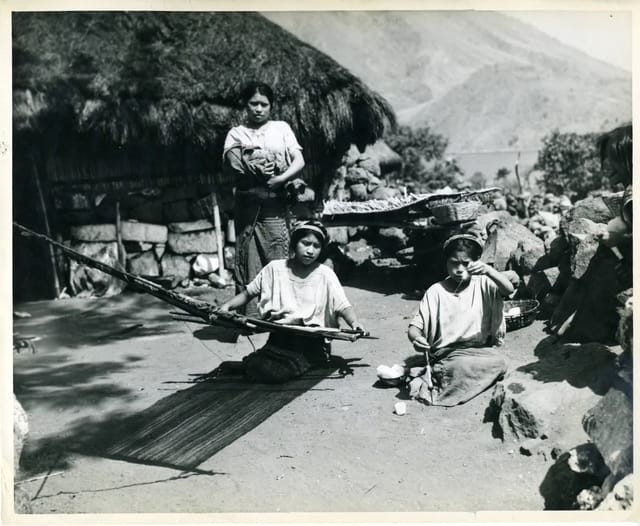
Xela works for a specific kind of person: someone who wants a real Guatemalan city (not a tourist enclave), who values Spanish-immersion seriousness over expat convenience, who can handle cold mornings and tile floors, and who finds meaning in the indigenous-K’iche’ cultural baseline that makes Xela different from Guatemala City and Antigua.
It is a harder fit for people who need beach-warmth weather, who want a deep expat social network for emotional support, who require completely modern amenities, or who want a tourist-polished version of Guatemala. Those buyers should look at Antigua or the Lake Atitlán towns (San Pedro La Laguna, Panajachel) instead.
The zone choice within Xela then refines the tradeoff. Zone 1 is the maximum-immersion, maximum-walkability, maximum-character option with the maximum-cold-and-noise penalty. Zone 3 is the comfort-and-convenience option that loses some atmosphere. Zones 8/9 are the quiet-and-residential options that require independence and a vehicle. Zone 6 is the budget-student option that makes sense if you fit the demographic.
Frequently Asked Questions
Which zone of Xela is best for expats and Spanish students?
Zona 1 Centro Histórico is the default choice — walkable colonial core, every Spanish school within 10 minutes, every café and laundry on the same grid. Zona 3 is for residents who want modern shopping and parking but accept losing the colonial feel. Zona 8 and Zona 9 are quieter family-residential and require a vehicle. Zona 6 is the university belt around USAC — affordable but loud and very young. Most foreigners choose Zona 1 for the first 3–6 months, then move outward if they stay longer.
How much is rent in Xela per zone?
Zona 1 Centro: $250–500/mo for a furnished 1BR (cheaper than Antigua by 30–50%). Zona 3: $300–550 for modern apartments with parking. Zona 8/9: $300–500 for residential houses, often with garage. Zona 6 (university): $150–300 for student-grade rooms and small apartments. Larger family homes in Zona 1 colonial buildings reach $700–1,200. Xela is meaningfully cheaper than Antigua at every tier.
Do houses in Xela have heating? It gets cold.
Almost no homes in Xela have central heating, even though winter mornings can hit 5–8°C (41–46°F) at 2,330 meters elevation. Tile floors are standard and stay cold. Most residents use a portable space heater (Q200–400 at any electronics store), heavy blankets, and hot-water bottles. Newer Zona 3 apartments occasionally include a small gas heater. Always ask the landlord: ¿La casa tiene calefactor o estufa? — and budget Q300–500 for your own heater if not.
Is Xela safer than Guatemala City?
Yes, meaningfully safer than Guatemala City. Xela is Guatemala’s second-largest city but has a lower violent-crime rate than the capital. Petty theft (pickpocketing in markets, cell-phone snatching at night) does happen, especially around the bus terminal and Zona 6. Zona 1 around Parque Centro America is well-patrolled day and evening; after 10 PM walk in groups or take a tuk-tuk. Zona 3, 8, and 9 are quiet. The Salón Tecún corner of Zona 1 is the main expat nightlife strip and is generally safe but watch for opportunistic theft.
Is Xela better than Antigua for Spanish school?
For most students, yes. Xela has 15–20 reputable Spanish schools (Pop Wuj, Celas Maya, Casa Xelajú, Proyecto Lingüístico Quetzalteco, etc.) at lower prices than Antigua (typically $150–220/week for 20 hours one-on-one + homestay vs $200–280 in Antigua). The bigger advantage: Xela is far less of an expat bubble. You will hear and use Spanish (and sometimes K’iche’) in markets, on chicken buses, and with Guatemalan classmates. Antigua’s expat density makes English-immersion accidents more common.
Is the foreigner-tax markup as bad in Xela as in Antigua?
Smaller, but still real. Xela’s expat economy is meaningfully thinner than Antigua’s, so landlords have less practice charging foreigner premiums. Expect 15–30% markup over local prices for short-term furnished rentals in Zona 1, dropping to near-zero with a 12-month lease paid in quetzales by local bank transfer. Spanish schools handle a lot of housing through homestays priced at local rates — that’s often the cheapest first 30–60 days.
Related Xela Resources
- Best Restaurants in Xela — Salón Tecún, comedores under Q40, fine dining
- Things to Do in Xela — Fuentes Georginas, Volcán Chicabal, day trips
- Getting Around Xela — Chicken buses, tuk-tuks, walking, day trips out
- Quetzaltenango Real Estate — Buy and long-term rent guide
- Spanish Schools in Guatemala — Xela vs Antigua vs Lake Atitlán