The euro to Guatemalan quetzal rate sits around Q8.32 per EUR as of May 2026. Unlike USD/Q (which Banguat publishes as the daily reference rate), EUR/Q is a derived cross-rate that 8 Guatemalan banks compute individually using the Banguat morning USD/Q reference and the prevailing international EUR/USD rate. This page tracks live cross-rates from those 8 banks, where to physically exchange euros in Guatemala, and what European tourists, EU diaspora, and pension recipients should know.
EUR/Q Cross-Rates by Bank (May 2026)
Reference indicative cross-rates derived from Banguat USD/Q reference x EUR/USD international cross-rate. Spreads vary daily and are wider than USD because banks hold less EUR inventory. Call ahead — not all branches stock euros.
| Bank | Buy EUR (compra) | Sell EUR (venta) | Spread | Source |
|---|---|---|---|---|
| Banrural | Q8.18 | Q8.46 | Q0.28 | Cross-rate, USD-pivot |
| Banco Industrial | Q8.20 | Q8.45 | Q0.25 | Cross-rate, USD-pivot |
| BAM (Banco Agromercantil) | Q8.16 | Q8.48 | Q0.32 | Cross-rate, USD-pivot |
| BAC Credomatic | Q8.15 | Q8.50 | Q0.35 | Cross-rate, USD-pivot |
| Bantrab | Q8.17 | Q8.49 | Q0.32 | Cross-rate, USD-pivot |
| Banco Inmobiliario | Q8.21 | Q8.46 | Q0.25 | Cross-rate, USD-pivot |
| Banco Promerica | Q8.16 | Q8.50 | Q0.34 | Cross-rate, USD-pivot |
| Banco Agromercantil | Q8.18 | Q8.48 | Q0.30 | Cross-rate, USD-pivot |
Reference values, derived from Banguat USD/Q x EUR/USD cross-rate. EUR cash availability varies by branch. For amounts above EUR 1,000, call the branch in advance and ask for the “tipo de cambio del dia” for euro cash.
How Banks Set Non-USD Rates
Banco de Guatemala publishes a daily reference rate for USD/Q only. For EUR, GBP, MXN and CAD, banks use USD as the pivot currency and compute the cross-rate:
EUR/Q = USD/Q x EUR/USD
For example, with USD/Q at 7.63 (Banguat 2026-09-24) and EUR/USD at 1.09 on the international market:
- 1 EUR = 7.63 x 1.09 = Q8.32
Two consequences for euro-holders in Guatemala:
- Quotes shift twice a day. Once when Banguat opens with the new USD/Q reference (around 9 AM local), and again as international FX markets move EUR/USD throughout the trading day.
- Spreads are wider than on USD. Guatemalan banks hold less EUR inventory and face additional currency risk on non-USD positions, so EUR spreads typically run Q0.25-0.40 vs Q0.20-0.30 on USD.
This is also why direct EUR cash transactions are rare in Guatemalan banks. Most branches will tell you to convert at a casa de cambio or deposit USD instead. The exception is large branches in Zona 10/Zona 14 Guatemala City, BAC Credomatic Cayala, Banco Industrial in shopping centers, and a few branches in Antigua La Antigua.
Where to Exchange Euros in Guatemala
Bank branches (call ahead)
Only major branches stock EUR cash. The most reliable are:
- Banco Industrial, Plaza Fontabella (Zona 10)
- BAC Credomatic, Cayala
- Banrural, Centro Civico (Zona 1)
- BAM, Oakland Mall (Zona 10)
Call ahead and ask: “Tienen efectivo en euros para cambio?” Most branches outside Guatemala City and Antigua do not.
Casas de cambio (currency exchange houses)
Better availability than banks for EUR cash:
- Continental Casa de Cambio (Zona 10) — accepts EUR up to EUR 2,000/transaction
- Quetzal Cambios (Zona 9 and Antigua) — competitive EUR rates, ID required
- Typical spread: 2-4% below mid-market
Wise / Revolut / Remitly (digital — best for transfers)
For sending EUR from Europe to a Guatemalan bank account:
- Wise: Multi-currency account holds EUR/USD/GTQ, converts at mid-market, deposits to Guatemalan bank in 1-2 days. Total cost 0.5-1%.
- Revolut: Similar to Wise, slightly higher spread on weekends.
- Remitly: Cheaper for cash pickup (Banrural, BAM) but worse rate than Wise on bank deposits above EUR 500.
Airport (avoid)
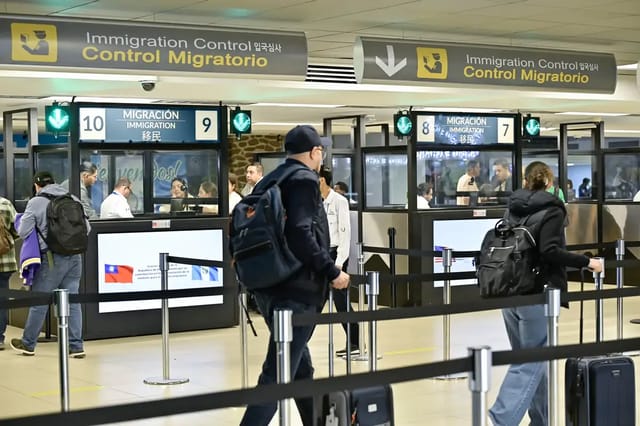
Casas de cambio at Aeropuerto La Aurora (GUA) consistently offer 4-8% worse rates than Zona 10. If you land with EUR cash, withdraw quetzales from a terminal ATM with your European bank card or Wise card and convert remaining EUR later in Zona 10.
For European Tourists
If you’re visiting Guatemala from the EU for tourism (Antigua, Tikal, Atitlan), the cheapest path is:
- Withdraw quetzales at any ATM with a no-FX-fee European card (N26, Revolut, Wise) — uses Visa/MC mid-market rate
- Pay POS at restaurants, hotels, malls in Guatemala City and Antigua with the same card
- Carry EUR 200-300 in cash for emergencies, exchange at a Zona 10 casa de cambio, NOT the airport
Avoid carrying large amounts of euros — Guatemalan banks have limited EUR inventory and spreads are wider than USD.
For European Residents and EU Pension Recipients
If you live in Guatemala and receive a German, Spanish, French, Italian or Dutch pension in euros monthly:
- Open a Wise multi-currency account (free) and have the pension paid in
- Convert EUR-to-GTQ inside Wise at the mid-market rate, then transfer to your Guatemalan bank
- Total cost roughly 0.5-1% vs 3-5% if you let your European bank wire it directly
For larger amounts (EUR 10,000+), consider holding part of the balance in EUR and converting tactically when EUR/USD strengthens.
For Guatemalan Diaspora in Europe
Guatemalans living in Spain, Italy, France, Germany sending money home:
- Wise for bank-to-bank deposits (best rate, 0.5-1% cost)
- Remitly for cash pickup at Banrural/BAM if family doesn’t have a bank account
- Western Union only for emergencies — 3-6% all-in cost
A monthly EUR 500 remittance via Wise saves roughly EUR 200-300 per year vs Western Union.
EUR/Q Trend and Forecast
The Guatemalan quetzal has traded against USD in a Q7.61-7.73 band (Banguat reference rate, January 2025 to September 2026). EUR/Q therefore moves almost entirely with EUR/USD on international markets, NOT with Guatemalan domestic factors.
After the ECB began rate cuts in late 2025 while the US Fed held steady, EUR/USD fell from 1.13 (Feb 2026) to 1.09 (May 2026), dragging EUR/Q from approximately Q8.55 to Q8.32 — a 3% decline. The forward path depends on:
- ECB rate decisions (8 per year)
- US Fed rate trajectory
- Eurozone inflation prints
For practical planning, expect EUR/Q to stay in a Q8.10-8.60 range through 2026 unless either central bank surprises markets.
Related Currencies and Resources
- USD to Quetzal (live Banguat reference) — The underlying rate that drives EUR/Q
- CAD to Quetzal — For Canadian snowbirds and retirees
- GBP to Quetzal — For British retirees and UK visitors
- MXN to Quetzal — For cross-border workers and Mexican tourists
- All currencies hub — Multi-currency comparison
- USD accounts in Guatemala — Hold USD locally to avoid double-conversion when receiving EUR pensions
- International wire transfers — For EUR amounts above EUR 10,000
- Remittance comparison — Wise, Remitly, Western Union side-by-side
Frequently Asked Questions
What is today's EUR to Quetzal rate?
1 EUR = Q8.75 as of September 24, 2026. This is a reference cross-rate derived from the Banguat USD/Q reference (Q7.63) multiplied by the international EUR/USD rate (1.09). Banguat does not publish a direct EUR/Q rate — every Guatemalan bank computes it from USD/Q and the day’s EUR/USD cross-rate, so quotes can shift twice per day.
Which bank gives the best EUR/GTQ rate in Guatemala?
For EUR cash, Banco Industrial and BAC Credomatic typically have the deepest euro inventory and the tightest spreads (Q0.40-0.55 spread). For digital EUR transfers, Wise consistently beats every Guatemalan bank by 1-3% because banks charge an additional spread for non-USD inventory risk. If you need euros in cash, call ahead — most branches outside Zona 10 Guatemala City do not stock euros.
Where can I exchange Euros in Guatemala?
Three options. (1) Bank branches in Zona 10/Zona 14 Guatemala City and a handful in Antigua — call ahead, EUR cash is not always in inventory. (2) Casas de cambio like Continental (Zona 10) and Quetzal Cambios (Zona 9, Antigua) accept EUR cash at 2-4% below mid-market. (3) For digital EUR-to-GTQ transfers, Wise is the cheapest option (0.5-1% total cost). Banks generally do NOT exchange EUR at the Aeropuerto La Aurora rate — airport casas de cambio offer 4-8% worse rates.
Is there a direct EUR/GTQ market or is it derived?
Derived. Banguat publishes a USD/GTQ reference rate; EUR/GTQ is calculated as USD/GTQ x EUR/USD. Most Guatemalan banks quote the cross-rate using the Banguat morning USD/Q reference and the prevailing international EUR/USD rate. Direct EUR cash transactions are rare because Guatemalan banks hold limited EUR inventory.
Will the Euro strengthen against the Quetzal in 2026?
Indirectly tied to USD policy. The quetzal has traded against USD in a Q7.61-7.73 band (Banguat reference rate, January 2025 to September 2026), so EUR/Q moves with EUR/USD. After ECB rate cuts in late 2025, the euro weakened roughly 3% YoY against USD, dragging EUR/Q from Q8.55 (Feb 2026) to Q8.32 (May 2026). If the ECB resumes hikes or the Fed cuts faster than expected, EUR/Q could rebound toward Q8.50-8.60.
How do I send Euros to Guatemala?
Best: Wise multi-currency account — convert EUR-to-GTQ at the mid-market rate, deposit directly to a Guatemalan bank account in 1-2 business days, total cost 0.5-1%. Alternative: SEPA transfer from your European bank to Wise EUR balance, then convert. For cash pickup, Remitly and Western Union accept EUR funding but use less favorable EUR-to-GTQ rates (3-6% total cost). SEPA wires direct from European banks to Guatemalan banks cost EUR 25-45 + 2-3% spread.
Are airport currency exchanges fair?
No. Casas de cambio at Aeropuerto La Aurora (GUA) consistently offer 4-8% worse EUR/Q rates than Zona 10 banks or casas de cambio. If you arrive with euros in cash, withdraw quetzales from a terminal ATM with your Wise debit card or European bank card instead, then convert remaining EUR cash later in Zona 10. The convenience of airport exchange typically costs EUR 30-80 on a EUR 500 conversion.