
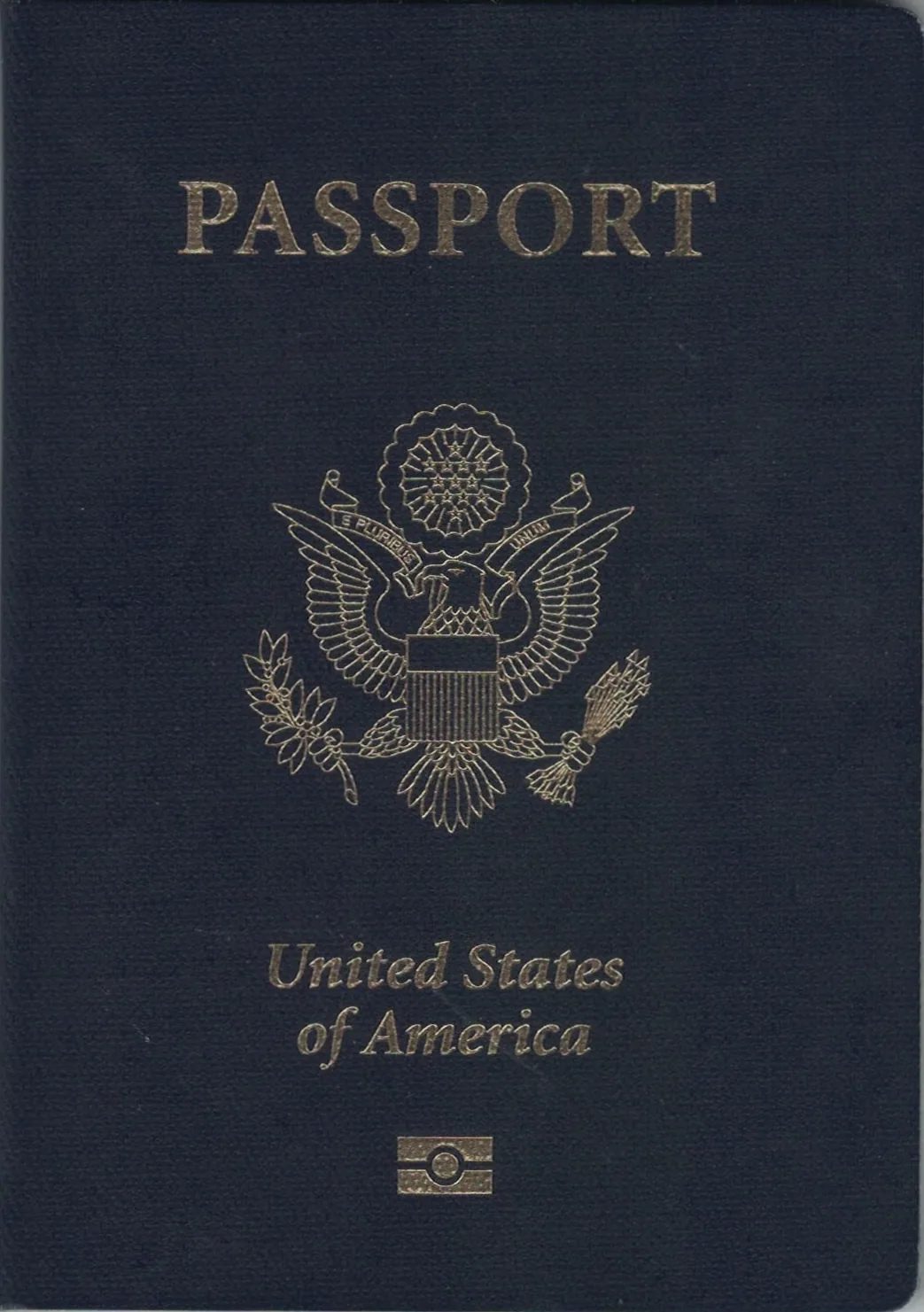
A Guatemalan child born in the United States to at least one Guatemalan parent is dual by birth — automatically a US citizen under the 14th Amendment, and automatically a Guatemalan citizen under Article 144 of the Guatemalan Constitution. A Guatemalan adult who naturalizes as a US citizen does not lose Guatemalan citizenship — Decreto 86-96 reform to the Ley de Nacionalidad makes Guatemalan birth nationality irrenunciable. This guide explains the full bilateral framework: how it works legally, how to register children, what changes (and doesn’t) for naturalized adults, and the practical realities of holding both passports.
In short: Guatemala recognizes dual citizenship. Article 144 of the 1985 Constitution grants Guatemalan nationality by descent (jus sanguinis), and Decreto 86-96 makes it irrenunciable for Guatemalans by birth — a Guatemalan who naturalizes as a US citizen keeps Guatemalan citizenship for life. No “2017 reform” exists — that is a common online misattribution. The USA also takes no position on retention (US Department of State Dual Nationality policy). US-born children of at least one Guatemalan parent are Guatemalan by birth under Article 144, which attaches no registration deadline; RENAP registration through a consulate — simplest while the child is a minor — is the administrative step that gets that status on the record. Fees re-verified September 2026, and the constitutional articles re-read at the text the same day.
Honest note on the law: Internet sources often refer to a 2017 dual citizenship reform in Guatemala. Per primary research, the substantive framework is the 1985 Constitution (Articles 144-145) combined with the Decreto 86-96 reform to the Ley de Nacionalidad. The relevant Ley de Nacionalidad is Decreto 1613 (1966). There was no separate 2017 reform that changed the dual-citizenship rules. Where you see 2017 dual citizenship online, that is a common misattribution.
The legal framework
Guatemala side
- Article 144 of the 1985 Constitution (“Nacionalidad de origen”) — Guatemalans of origin are those born in Guatemalan territory, on Guatemalan ships and aircraft, and the children of a Guatemalan father or mother born abroad, excepting the children of diplomatic officers. Read at the text on 1 September 2026: the article attaches no registration requirement and no age limit. Its second paragraph is the no-deprivation clause — no Guatemalan of origin may be deprived of their nationality.
- Article 145 is not about dual nationality. It is headed “Nacionalidad de centroamericanos” and deals with nationals by birth of the republics that made up the Federation of Central America. Earlier versions of this page cited Art. 145 for a rule that dual citizens are recognised exclusively as Guatemalan inside the territory. The rule is real, but its source is the Ley de Nacionalidad, not the Constitution: Article 5 (as reformed by Decreto 86-96) says that when a Guatemalan of origin also holds another nationality, the State of Guatemala, within its territory, recognises only the Guatemalan one (“les reconoce exclusivamente la propia”). Read at the text on 24 September 2026.
- Decreto 1613 (Ley de Nacionalidad, 1966) — the base statute. The UNHCR archive copy (
https://www.acnur.org/fileadmin/Documentos/BDL/2001/0135.pdf, consolidated with the Decreto 86-96 reforms) returned 403 on 1 September 2026 but was read in full on 24 September 2026. - Decreto 86-96 (1996 reform) — reformed the Ley de Nacionalidad. Its reformed Article 3 reads: a Guatemalan of origin cannot be deprived of their nationality; once acquired it is irrenunciable “aún cuando se hubiere optado por la naturalización en país extranjero”, with an exception for cases where renunciation is obligatory for that naturalization. Article 144 of the Constitution carries the same no-deprivation clause. That is why Guatemalan-born adults who naturalize in the US are treated as keeping Guatemalan citizenship.
- No “2017 reform” exists — the framework above is the current one.
USA side
- 14th Amendment — jus soli. Anyone born on US soil (including territories) is a US citizen.
- Dual nationality position — the US Department of State takes no position on the retention of either citizenship when both exist. Source:
https://travel.state.gov/content/travel/en/legal/travel-legal-considerations/Relinquishing-US-Nationality/Dual-Nationality.html(current URL verified 2026-05-15). - Oath of Allegiance — when a foreign-born adult naturalizes as a US citizen, they take an Oath of Allegiance that includes renunciation language. The text is set by 8 CFR 337.1(a) and opens: “I hereby declare, on oath, that I absolutely and entirely renounce and abjure all allegiance and fidelity to any foreign prince, potentate, state, or sovereignty, of whom or which I have heretofore been a subject or citizen”. The US does not bilaterally enforce this — the US does not notify foreign governments, does not require proof of renunciation, and does not strip US citizenship for retaining a foreign one. Guatemala’s irrenunciability clause means the renunciation has no Guatemalan-side effect.
- Result: US-naturalized Guatemalans are dual citizens in practice. Both governments treat them as their own.
Who is automatically a Guatemalan by birth?
Per Article 144 of the Constitution:
- Born in Guatemala to any parents.
- Born abroad with at least one Guatemalan parent. The constitutional text stops there — it sets no registration condition and no deadline.
Is there a “before age 18” deadline? Not in the texts we can read. Article 144 sets none, and RENAP’s page for consular birth registration (Inscripción de nacimiento en el Extranjero Consular, read 24 September 2026) lists only the consular birth notice and MINEX’s form — no age limit. The Ley de Nacionalidad (read in full the same day) has one option deadline, in Article 50, but it sits in the chapter on naturalización declaratoria and does not apply to children of Guatemalans. Registering while the child is a minor is still the simplest route, because the parents file it; an adult who was never registered goes through MINEX, which can declare Guatemalan nationality of origin (Ley de Nacionalidad Arts. 8-10), and RENAP records it. Confirm the current procedure with your consulate.
If you were born in the USA to at least one Guatemalan parent, you are Guatemalan by birth. Registration is a paperwork step that recognizes existing citizenship, not a naturalization.
How to register a US-born child as Guatemalan
This is its own dedicated procedure — full step-by-step in our register a US-born child as Guatemalan guide. Summary:
- Order the child’s long-form US birth certificate from the state vital records office.
- Apostille at the state Secretary of State.
- Book or walk into the Guatemalan consulate whose jurisdiction covers your US state.
- Submit the apostilled birth certificate, the Guatemalan parent’s DPI/passport, the parents’ marriage certificate (if married), and parental IDs.
- The consulate forwards the file to RENAP for inscription in Guatemala’s civil registry.
- RENAP issues a CUI (Código Único de Identificación) — Guatemala’s equivalent of a Social Security number.
- The child is now registered as Guatemalan and can apply for a Guatemalan passport.
The US-side procedure for confirming US citizenship for the same US-born child is the CRBA (Consular Report of Birth Abroad) if the child was born outside the US — but if the child was born in the US, the US birth certificate itself is the US-citizenship document; no CRBA is needed. CRBA only applies to a US-citizen parent’s child born abroad. Source: US Embassy Guatemala (gt.usembassy.gov/birth/, captured at 01-crba-gt-usembassy.txt).
Costs
| Item | Cost | Source |
|---|---|---|
| US apostille on child’s birth certificate | US$5-25 | State Secretary of State (varies) |
| Inscripción de nacimiento en el extranjero (consular) | Free when made on time; Q25 if late (extemporánea) — US$25 when requested abroad | RENAP services page (read 2026-09-23): “Toda inscripción es gratuita si se realiza en el plazo establecido”; late registrations pay Q25. RENAP tariff Art. 8 converts at US$1 per Q1 abroad |
| Certificación de inscripción de nacimiento (after registration) | Q15.00 in Guatemala / US$6.00 requested from abroad | RENAP Acuerdo de Directorio 15-2020, Art. 2 nº1 + Art. 6 nº1 |
| DPI at age 18 (in Guatemala) | Q100.00 | RENAP Acuerdo 15-2020 Art. 2 nº14 |
| DPI for adult at consulate | US$15.00, with no separate delivery charge | RENAP Acuerdo 15-2020 Art. 6 nº2. The old US$15 consular entrega fee was numeral 18 of Art. 2 and was suppressed by Acuerdo de Directorio 62-2022, in force since 10 November 2022 |
| Consular Report of Birth Abroad (CRBA) — the inverse case, a US citizen’s child born in Guatemala | US$100 | 22 CFR 22.1, Schedule of Fees, item 7 |
| Guatemalan passport at consulate | Per MINEX schedule (see passport from USA) | MINEX |
| US naturalization (N-400, for already-Guatemalan-born adult) | US$760 by paper / US$710 filed online (US fee — separate, US-side); reduced fee US$380 for those who qualify | USCIS, uscis.gov/n-400 |
| Renouncing US citizenship (if for some reason ever wanted) | US$450 — cut from US$2,350 | 22 CFR 22.1 item 8, as amended by the State Department final rule published 13 March 2026, effective 13 April 2026 |
Children born in Guatemala who later naturalize in the USA
Common in the diaspora: a Guatemalan-born adult moves to the USA on a green card, applies for US citizenship (N-400), and takes the Oath of Allegiance. Two things happen:
- US side: They are now a US citizen. The renunciation language in the Oath has no Guatemalan-side effect.
- Guatemala side: Decreto 86-96 irrenunciability clause means they are still Guatemalan. They keep their Guatemalan passport, DPI, voting rights, and right to own land in restricted zones.
Practical implication: They become dual citizens at the moment of US naturalization. They do not need to “re-register” anything in Guatemala. They simply renew their Guatemalan passport when it expires, at any Guatemalan consulate.
Children born in the USA — automatic dual
The standard diaspora case. A Guatemalan immigrant (with or without legal status in the US) has a child born in the USA. The child:
- Is a US citizen automatically (14th Amendment jus soli) — proven by the US birth certificate.
- Is a Guatemalan citizen automatically (Article 144 jus sanguinis) — proven by the RENAP inscription after registration through a consulate.
Both passports can be issued at the appropriate ages: the US passport from the US Department of State (DS-11 application), the Guatemalan passport from any Guatemalan consulate.
Best timing: register the Guatemalan birth while the child is a minor, when the parents can file it. We found no statutory deadline for children of Guatemalans (see “Is there a before-age-18 deadline?” above); an adult who was never registered can still be recognised as Guatemalan of origin through MINEX.
Adults registering retroactively
If a US-born adult was never registered as Guatemalan as a child, they can still claim Guatemalan citizenship of origin through Article 144:
- The route — MINEX declares nationality (Ley de Nacionalidad Arts. 8-10, filed through a consulate if you live abroad), and RENAP then records it: RENAP’s Inscripción de Guatemalteco de origen service asks for three certifications of MINEX’s resolution recognising you as a Guatemalan of origin, issued within the previous six months, plus your ID (RENAP service page, read 24 September 2026). The adult signs personally instead of the parents.
- Documentation — expect to prove the Guatemalan parentage (the Guatemalan parent’s RENAP birth certificate, the parents’ marriage if applicable). We found no one-year option window for this case; that deadline (Ley de Nacionalidad Art. 50) belongs to naturalización declaratoria.
- If the Guatemalan parent has died — the procedure is still available but documentation gets harder. RENAP may request the parent’s RENAP birth certificate, death certificate, and proof of the parent-child relationship.
Practical realities of holding both passports
At the Guatemalan border
- Entering Guatemala: present your Guatemalan passport. You enter as a Guatemalan, not as a foreign tourist, so the tourist stay limit in the Código de Migración (Decreto 44-2016, Art. 74: up to 90 days, extendable once) is not the rule you travel under.
- Guatemalan passport expired and you must travel urgently? MINEX issues a free pase especial de viaje for emergencies that can be verified in a consular interview; you bring the expired passport (or a DPI copy if you have no passport), your air ticket and two photos. Details on the MINEX special travel pass page.
Correction, 24 September 2026. There is no statutory before-18 or one-year deadline for registering a child of a Guatemalan born abroad: the one-year option window this page described is Ley de Nacionalidad Art. 50, which governs naturalización declaratoria, not Guatemalans of origin. And the rule that such a person is recognised only as Guatemalan inside Guatemala does exist — in Ley de Nacionalidad Art. 5, not Constitution Art. 145.
Correction, 23 September 2026. Earlier versions of this section and two FAQ answers still said dual citizens are recognized exclusively as Guatemalan under Article 145, contradicting the withdrawal of that claim above. Those statements are removed, and the 90-day figure is now tied to its source.
- Exiting Guatemala: present your Guatemalan passport.
- No conflict with the US — US immigration does not see your Guatemalan-passport entry to Guatemala. Your US passport sees no stamp.
At the US border
- Entering the USA: present your US passport. US Customs and Border Protection enforces that US citizens enter on US passports.
- Exiting the USA: US passport.
Carrying both
Fully legal and recommended. Many dual citizens carry both passports on every trip. Bookings (airline tickets, hotel reservations) can be in either name format.
Voting
You can vote in both countries’ elections — US federal, state, and local elections as a US citizen; Guatemalan presidential elections from a consular polling station as a Guatemalan. See our voting from abroad guide for the Guatemalan side.
Military / national service
Guatemala does not have mandatory military service. The USA also does not have compulsory military service (Selective Service registration is required for males 18-25 but actual conscription is suspended). Neither citizenship imposes a service obligation on the other.
Taxation
The US taxes its citizens on worldwide income regardless of where they live. Guatemala taxes residents on Guatemala-sourced income (territorial system). Holding both citizenships triggers US worldwide-income filing only if you live abroad — but that obligation comes from being a US citizen, not from being a dual. Guatemala does not tax US-sourced income of non-residents. See a qualified accountant for your specific situation.
Common pitfalls
- Confusing “renouncing US citizenship” with Guatemala’s irrenunciability. These are different sovereign positions. Renouncing US citizenship is a US-side procedure (the administrative-processing fee dropped from $2,350 to $450 on 13 April 2026; the process still takes months). Guatemala’s irrenunciability clause is about Guatemalan citizenship — you cannot be stripped of it just because you naturalized in the US. They are independent.
- Leaving kids unregistered. Register US-born children with RENAP while they are minors, when the parents can file it. An adult can still be recognised later through MINEX, but it is a separate, longer procedure.
- Assuming a “2017 reform” exists. It doesn’t. The current framework is the 1985 Constitution + Decreto 86-96 (1996). Internet sources misattribute the timeline.
- Believing dual citizens must use one passport per trip. Carry both. Use the US passport for US borders, Guatemalan passport for Guatemalan borders. This is the standard, legal, and recommended approach.
- Entering Guatemala on your US passport as a dual citizen. Legal (Ley de Nacionalidad Art. 65 lets a Guatemalan of origin enter and leave on a foreign passport of a nationality they hold, when it needs no visa) but suboptimal — you are admitted like a foreign tourist, whose stay the Código de Migración (Decreto 44-2016, Art. 74) caps at 90 days, extendable once. Always enter Guatemala on your Guatemalan passport.
- Thinking Guatemalan-citizen-by-descent property rights are limited. Under Articles 123-144, Guatemalan citizens — whether by birth in Guatemala or by descent registered abroad — can own land in coastal and border zones where foreign ownership is restricted. Registered citizenship matters; mere ancestry does not.
What dual citizens can do
- Vote in Guatemalan presidential elections from abroad (see voting from abroad).
- Get a Guatemalan passport at any consulate.
- Inherit property in Guatemala on the same terms as any Guatemalan citizen.
- Own land in restricted coastal/border zones where foreign ownership is limited by Article 123.
- Attend public school or university in Guatemala at Guatemalan-citizen tuition rates.
- Bring a non-Guatemalan spouse on a spousal residency via the marriage registration procedure (see register your US marriage in Guatemala).
- Access IGSS as a Guatemalan citizen.
Sources & resources
- Constitución Política de la República de Guatemala, 1985 con reformas de 1993 — Articles 144-146:
https://www.oas.org/dil/esp/Constitucion_Guatemala.pdf, read 2026-09-01. (The URL previously cited here,oas.org/juridico/mla/sp/gtm/sp_gtm-int-text-const.pdf, now returns HTTP 522.) - Decreto 1613 (Ley de Nacionalidad, 1966) with the Decreto 86-96 reforms:
https://www.acnur.org/fileadmin/Documentos/BDL/2001/0135.pdf— 403 on 2026-09-01; read in full on 2026-09-24 (Arts. 3, 5, 8-10, 50 and 65 cited above). Legislation index: Congreso, marco legal - RENAP — Inscripción de Guatemalteco de origen:
https://www.renap.gob.gt/servicios/inscripcion-de-guatemalteco-de-origen(read 2026-09-24) - Oath of Allegiance — 8 CFR 337.1(a):
https://www.govinfo.gov/content/pkg/CFR-2025-title8-vol1/xml/CFR-2025-title8-vol1-sec337-1.xml, read 2026-09-01 - US Department of State — Dual Nationality:
https://travel.state.gov/content/travel/en/legal/travel-legal-considerations/Relinquishing-US-Nationality/Dual-Nationality.html(verified URL 2026-05-15) - US Embassy Guatemala — CRBA procedure (Consular Report of Birth Abroad for a US-citizen parent’s child born in Guatemala — inverse case):
https://gt.usembassy.gov/birth/(captured 2026-05-15, file01-crba-gt-usembassy.txt) - RENAP — Inscripción de nacimiento en el extranjero (consular):
https://www.renap.gob.gt/servicios/inscripcion-de-nacimiento-en-el-extranjero-consular - RENAP Acuerdo de Directorio 15-2020, “Tarifario de los Servicios que presta el RENAP” (consolidated with the 12-2021 modifications):
https://www.renap.gob.gt/sites/default/files/Comunicacion-Social/pdf/tarifario-acuerdo-directorio-15-2020-modificaciones-12-2021.pdf— Art. 2 (domestic fees), Art. 6 (services requested from abroad), Art. 7 (25% card surcharge), Art. 8 (US$1.00 per Q1.00 for everything else requested abroad). Re-read 2026-09-01 - RENAP Acuerdo de Directorio 62-2022, reforming Art. 2 of 15-2020, as published in the Diario de Centro América Número 100 of 10 November 2022 (the DCA does not expose a stable per-issue URL for 2022; issuer: RENAP): suppresses numerals 17 and 18, removing the charge for DPI delivery abroad and at consulates. Re-read 2026-09-01
- US Department of State — Schedule of Fees for Consular Services, 22 CFR 22.1:
https://www.govinfo.gov/content/pkg/CFR-2025-title22-vol1/xml/CFR-2025-title22-vol1-sec22-1.xml(item 7 CRBA US$100; item 8 Certificate of Loss of Nationality) - US Department of State final rule reducing the CLN fee from $2,350 to $450, published 13 March 2026, effective 13 April 2026 (with a technical correction published 17 April 2026):
https://www.federalregister.gov/documents/full_text/text/2026/03/13/2026-04931.txt - USCIS — Form N-400 filing fee ($760 paper / $710 online; $380 reduced):
https://www.uscis.gov/n-400(page last reviewed 16 June 2026, read 2026-09-01) - Wikipedia — Guatemalan nationality law:
https://en.wikipedia.org/wiki/Guatemalan_nationality_law(accessed 2026-05-15). Listed for completeness only; it is no longer quoted or relied on for any rule on this page. - dualcitizenshipreport.org — Guatemala dual citizenship rules:
https://www.dualcitizenshipreport.org/dual-citizenship/guatemala/ - Last verified: 2026-09-01 — every fee in the Costs table re-checked at its issuer. The travel.state.gov Dual Nationality page could not be re-fetched on that date (Cloudflare interstitial to every method tried), so the US no-position policy statement carries its 2026-05-15 verification.
Affiliate links — we earn a small commission if you buy, at no extra cost to you. We only recommend services we'd suggest to our own family.
Living in the US as a dual citizen? The US side has its own stack of procedures. MigrantUSA covers it for the Guatemalan community — every consulate in the US, plus US taxes, ID, and banking guides written for people managing both countries’ paperwork.
Related pages
- Register a US-born child as Guatemalan — Full Article 144 procedure
- Register your US marriage in Guatemala — Common second step for diaspora families
- Voting from abroad — Exercise of Guatemalan voting rights from the USA
- DPI from USA — Get your Guatemalan ID at a consulate
- Passport from USA — Get or renew your Guatemalan passport
- Apostille from USA — Cross-cutting document authentication for diaspora procedures
- Find your consulate — State-by-state lookup
- Guatemalan citizenship by naturalization — The route for a foreign spouse or family member with no Guatemalan parent: 5 years domiciled (2 for spouses of Guatemalans)
- RENAP en línea (ES) — RENAP online services
- All Guatemalan consulates in USA — Full directory
- US visa interview wait in Guatemala City — for the relatives who have no US passport: the current interview wait at the U.S. Embassy, by visa class
Frequently Asked Questions
Does Guatemala allow dual citizenship with the USA?
Yes. Guatemala’s Constitution (Article 144) grants Guatemalan nationality by descent (jus sanguinis) and the Constitution combined with Decreto 86-96 reform to the Ley de Nacionalidad makes Guatemalan birth nationality irrenunciable — a Guatemalan by birth cannot be deprived of Guatemalan nationality, even if they later naturalize abroad. Practical effect: Guatemalans by birth keep their Guatemalan citizenship forever, regardless of US naturalization.
Does the USA allow Guatemalans to keep both citizenships?
Yes. The US Department of State takes no position on the retention of either citizenship when both exist. Per the State Department dual nationality page (travel.state.gov/content/travel/en/legal/travel-legal-considerations/Relinquishing-US-Nationality/Dual-Nationality.html): the US recognizes that a person can be a citizen of two countries simultaneously. US naturalization includes an Oath of Allegiance with renunciation language, but the US does not bilaterally enforce this — Guatemala’s irrenunciability clause means the Guatemalan-born US-naturalized adult is still Guatemalan from Guatemala’s perspective.
My child was born in the USA to Guatemalan parents — are they automatically dual?
Yes. The child acquires US citizenship at birth under the 14th Amendment (jus soli, anyone born in the US is a US citizen). The child also acquires Guatemalan citizenship by descent at birth under Article 144 — but to exercise that Guatemalan citizenship (passport, DPI, inheritance), the birth must be registered with RENAP via a Guatemalan consulate. Neither Article 144 nor RENAP’s consular birth-registration page sets an age limit; registering while the child is a minor is simply the easiest route, because the parents file it for them.
I was born in Guatemala and naturalized as a US citizen — do I lose my Guatemalan citizenship?
No. Decreto 86-96 reform to the Ley de Nacionalidad established that a Guatemalan by birth cannot be deprived of nationality — once acquired, it is irrenunciable, even if you opt for naturalization abroad. From Guatemala’s perspective, you remain Guatemalan. You still have full rights: vote in Guatemalan elections from abroad, own land in restricted coastal/border zones, inherit on Guatemalan-citizen terms, hold a Guatemalan passport for life.
Can my US-born adult child claim Guatemalan citizenship now?
Yes, but the procedure depends on whether they were registered as Guatemalan as a minor. If registered before age 18 via a consulate, they are already Guatemalan citizens — they just need to order the Guatemalan birth certificate from RENAP and apply for a passport/DPI. If not registered as a minor, they can still be recognised as Guatemalans of origin: the Ley de Nacionalidad (Arts. 8-10) gives MINEX the power to declare nationality, including through a consulate, and RENAP then records it (its ‘Inscripción de Guatemalteco de origen’ service works from a MINEX recognition resolution). No statute we found imposes a one-year option window on children of Guatemalans; the Ley de Nacionalidad’s option deadline (Art. 50) applies to naturalización declaratoria, a different category. Confirm the current route with your consulate.
Does dual citizenship affect my US Social Security, Medicare, or VA benefits?
No. Having Guatemalan citizenship alongside US citizenship does not affect any US federal benefits. Social Security retirement, Medicare (when in the US or under reciprocal arrangements), Veterans Administration benefits, and US passport eligibility are tied to US citizenship status, not to whether you hold another citizenship. The same applies in reverse — your US citizenship does not affect IGSS or other Guatemalan benefits you may be entitled to.
Do I need to use my Guatemalan passport to enter Guatemala?
Best practice yes. Entering on your Guatemalan passport avoids tourist-visa stamps in your US passport and gives you full Guatemalan-citizen rights at the border (longer stays, no visa restrictions, full residency rights). Exit Guatemala on the Guatemalan passport. Use the US passport to enter the USA on your return. Carrying both passports is fully legal and recommended for dual citizens.
💸 Sending money back to Guatemala?
Today the banks we track sell dollars at 1.5-2.7% over the Banguat rate. Wise and Remitly send at the real mid-market rate with a flat fee — and because they're funded from your US bank account or card, they're exempt from the new 2026 federal remittance tax (which does hit cash-based transfers).