![How to Move to Guatemala: The Complete Guide [2026]](/images/photos/airbnbsantacruzlalaguna.webp)
Most “how to move to Guatemala” guides are written by people who showed up with a backpack and figured it out. This is the guide I’d write for a friend.
I grew up between Huehuetenango and Antigua, moved to the US for work – lived in the Virginia/Maryland area around Falls Church, McLean, and Alexandria – and eventually came back home. The process of “re-settling” in your own country is different from what expat blogs describe. I know both worlds: the American suburbs and the Guatemalan neighborhoods. I know which areas I’d recommend to a friend because I’ve actually lived in them, not because I visited for two weeks and stayed at an Airbnb.
I’ve helped half a dozen friends and colleagues make the move from the US to Guatemala. Here’s everything I tell them – the planning, the logistics, the cultural shock, and the things nobody warns you about.
TL;DR: Budget $3,000-8,000 for the move plus 3-6 months of expenses. Enter visa-free for 90 days. Start in Antigua for your first 3 months. Monthly costs once settled: $800-1,500 depending on location. Start planning 3-6 months ahead.
Before You Go: The Planning Phase
3-6 Months Before
- Visit first. Spend at least 2 weeks. Visit Guatemala City, Antigua, and Lake Atitlan. You need to feel the pace of life before committing. If your trip coincides with Semana Santa (March-April), you’ll see Guatemala at its most spectacular.
- Start learning Spanish. You don’t need to be fluent, but basic conversational Spanish will transform your experience (and save you money). Guatemala has some of the cheapest 1-on-1 Spanish schools in the Americas.
- Research visas. Most Americans enter on a 90-day tourist visa, which is fine for starting out. Read our visa guide for long-term options.
- Get medical checkups done. Dental work, eye exams, prescriptions — do it all while you still have US insurance.
- Set up travel health insurance. Guatemala’s public hospitals are underfunded and private care is out-of-pocket. Until you have local coverage, SafetyWing ($42/month) covers medical emergencies and can be purchased after you’ve already left home.
- Apostille important documents. Birth certificate, marriage certificate, university diploma. You’ll need these for residency applications.
1-3 Months Before
- Set up banking. Open a Charles Schwab or Fidelity account (no foreign ATM fees). Set up a Wise account for currency transfers. For the best rates on sending money to Guatemala, compare providers before you move. Read our Guatemala banking guide for local bank recommendations.
- Ship your belongings. If shipping more than two suitcases, use a courier service like Aeropost or Trans Express. Our shipping guide covers costs and logistics in detail.
- Book your flight and first accommodation. Don’t sign a lease before arriving. Book an Airbnb or hostel for your first 2-4 weeks.
- Declutter ruthlessly. You won’t need most of what you own.
What to Bring vs. What to Buy There
BRING:
- Electronics (laptops, phones — they’re more expensive here)
- Specific medications (prescriptions from your US doctor)
- Professional tools or equipment
- Sentimental items that can’t be replaced
BUY THERE:
- Furniture (good quality, much cheaper locally)
- Kitchen supplies and bedding
- Basic clothing
- Household items
DON’T BOTHER:
- Heavy furniture (shipping cost exceeds replacement cost)
- Bulky appliances (different voltage, expensive to ship)
- A car (buy locally or use Uber)
Choosing Your Base
Prices verified February 2026. See our exchange rates page for today’s USD/GTQ rate.
| Factor | Guatemala City | Antigua | Lake Atitlán |
|---|---|---|---|
| Cost | $$-$$$ | $$-$$$ | $-$$ |
| Safety | Zone-dependent | High | Moderate |
| Internet | Excellent | Good | Variable |
| Walkability | Low (need car/Uber) | High | Village-dependent |
| Social scene | Large but spread out | Active international community | Laid-back, smaller |
| Best for | Career-focused, families | Most newcomers | Budget-conscious, creatives |
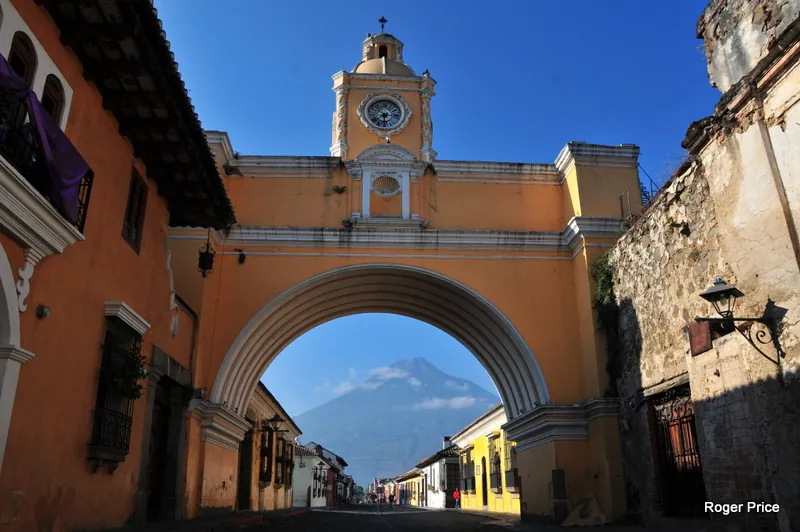
My recommendation: Start in Antigua for your first 3 months. It’s the safest, most walkable, and has the most established international community. Once you know what you want, you can move anywhere.
Your First Week
- Get a SIM card at the airport. Tigo or Claro — both work. Tigo has slightly better data coverage. See our phone plans comparison.
- Get to your accommodation via Uber. Do NOT take a random taxi from the airport.
- Exchange money or use an ATM. The currency is the Quetzal (GTQ). Current rate: ~Q7.8 per $1 USD.
- Buy water. Never drink tap water. Buy garrafones (5-gallon jugs) or bottled water. Our water safety guide has the full rundown on what is safe to drink and where.
- Find your closest supermarket and pharmacy. La Torre and PriceSmart are the main chains.
What Nobody Tells You
You will get sick your first month. Different water, different bacteria, different food preparation. It’s almost a rite of passage. Bring Imodium and electrolyte packets.
Bureaucracy is slow. Everything takes longer than the official website says. “15 business days” means 2-3 months. Patience is not optional.
The pace of life is different. Things happen when they happen. Meetings start late. Deliveries arrive in windows, not at specific times. This will frustrate you at first. Then you’ll love it.
Making local friends takes effort. The foreigner bubble is comfortable but limiting. Take Spanish classes, join local activities, eat where locals eat — our Guatemala food guide will help you know what to order. Guatemala opens up when you speak the language.
Ready for the next step? Dive into the cost of living breakdown, check today’s exchange rate, or read our safety guide with real crime data.