If walkability matters most, Centro Histórico. If you have a car and want modern construction with parking and gated security, San Pedro las Huertas. If budget rules and you don't mind a short commute, Jocotenango or Pastores. Every sector here is a short drive from the central park — the real differences come down to price, parking, water reliability, and whether you can handle cobblestone streets every day.
What Zone Is Antigua Guatemala In?
Antigua Guatemala is not part of Guatemala City. It is a municipality located in the center of the department of Sacatepéquez, part of national Region V (read 27 October 2026).
The municipal territorial planning office (Dirección de Ordenamiento y Desarrollo Territorial) publishes maps for each of the municipality’s aldeas — including San Pedro las Huertas, San Bartolomé Becerra, San Felipe de Jesús, San Juan Gascón, Guardianía el Hato, and Colonia Hermano Pedro — noting that these boundaries serve as administrative references for municipal management rather than official territorial borders.
Source: UPCV — Política Pública Municipal de Convivencia y Seguridad Ciudadana, Antigua Guatemala and Municipalidad de Antigua Guatemala — Recursos de Ordenamiento Territorial, read 27 October 2026.
The 6-Sector Comparison
Rent levels in this table are relative and come from the owner’s local knowledge; the listing data does not break rents down by sector. What it does show: on 26 October 2026, encuentra24 carried 21 rental listings in Antigua Guatemala municipality, and the 10 priced in US dollars ran from $700 to $2,800 a month (median $1,400).
| Sector | Vibe | Rent level (relative) | Walkable? | Parking | Water reliability | Security tier |
|---|---|---|---|---|---|---|
| Centro Histórico | Tourist core, walkable | Highest | ⭐⭐⭐⭐⭐ | ❌ Nightmare | ⭐⭐⭐⭐ Stable | ⭐⭐⭐⭐ Tourist police |
| San Pedro las Huertas | Modern, gated | Mid | ⭐⭐ Car needed | ⭐⭐⭐⭐ Garages | ⭐⭐⭐ Dry-season cuts | ⭐⭐⭐⭐⭐ Gated |
| San Felipe | Family-residential | Mid | ⭐⭐⭐ | ⭐⭐⭐ Driveways | ⭐⭐⭐⭐ Reliable | ⭐⭐⭐⭐ |
| Jocotenango | Cheaper, louder | Lower | ⭐⭐ | ⭐⭐ Street mostly | ⭐⭐ Spotty | ⭐⭐⭐ |
| Pastores | Quiet, commute required | Lowest | ❌ | ⭐⭐⭐⭐ Driveways | ⭐⭐⭐ | ⭐⭐⭐⭐ |
| San Bartolomé Becerra | Residential outer | Lower | ❌ | ⭐⭐⭐⭐ | ⭐⭐⭐⭐ | ⭐⭐⭐ |
Centro Histórico — The Classic Choice
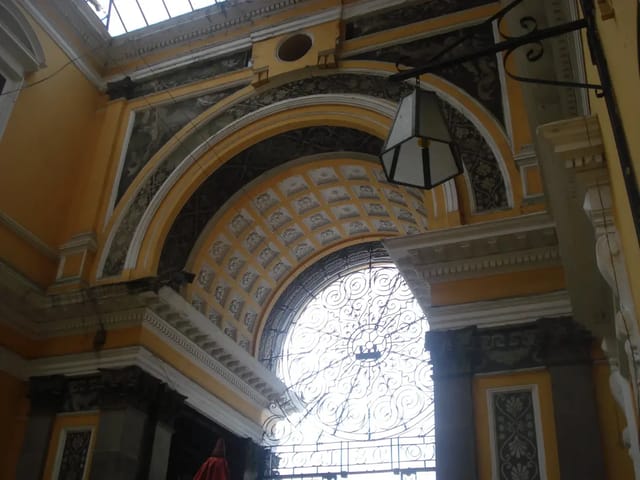
The Centro Histórico is Antigua’s UNESCO-listed colonial core — the Antigua of the postcards. Colonial-era homes painted in faded yellows and ochres. Cobblestone streets running between the Parque Central and the four great ruins. Three volcanoes always visible at the end of long straight roads.
The walkability is real. You can leave your apartment and reach a cafe, a restaurant, a language school, or the central market without once needing a vehicle. For expats who moved to Antigua specifically for the atmosphere, there is nowhere else to live.
The tradeoffs are also real. The historic-zone rules of the Consejo Nacional para la Protección de La Antigua Guatemala (CNPAG) — not INGUAT, the tourism institute — mean you cannot modify the exterior of any building without approval — a process that can take months. Renovation projects bog down in bureaucracy. Some landlords renovate interiors beautifully while facades crumble, because interior work requires less scrutiny. Inspect both.
Centro is the most expensive sector to rent in. At the top end are restored colonial homes with courtyard gardens, fountain features, and views of the volcanoes over tiled rooftops; the two colonial houses listed for rent on encuentra24 on 26 October 2026 were both $2,500 a month. Many such homes never appear on listing sites — they circulate through word of mouth and Facebook expat groups. At the lower end, expect modern-interior renovations in older shells, sometimes with shared courtyards.
Water and electricity are generally stable in the center. The municipal grid here is older but well-maintained. Power outages are brief and infrequent compared to outlying areas.
Who Centro is right for: No-car couples, retirees who want to walk to everything, Spanish students, remote workers who need cafe culture daily. Anyone who values the historic-atmosphere premium.
Who should skip it: Families with multiple vehicles. Light sleepers (marimba, roosters, and the occasional firework are non-negotiable). Anyone who needs garage parking on a budget.
San Pedro las Huertas + San Felipe — The Modern Alternative
These two neighborhoods, on the edges of the city, represent Antigua’s modern construction wave from the 2000s onward. Gated communities, concrete driveways, double garages, and homes that look and function like contemporary Guatemalan residential developments rather than colonial rehabs.
San Pedro las Huertas is the more established of the two. It sits on the road toward Ciudad Vieja and has accumulated a mix of long-term Guatemalan families and foreign residents who want proximity to Antigua without the tourist density.
The main known tradeoff in San Pedro las Huertas is water. During the dry season (February–April), some streets in the sector experience intermittent supply, and outer areas can go hours without running water. Many modern homes include backup cisterns (pilas or tinakos), so the outage becomes an inconvenience rather than a crisis. Older homes in the area may not. Always ask: ¿Tiene cisterna? ¿Cuántos litros? (Does it have a cistern? How many liters?)
San Felipe de Jesús sits slightly closer to Antigua, to the north and east. It has a more residential-neighborhood feel — families with school-age children, smaller gated clusters, closer access to the periférico. Security is solid; the area is quiet without feeling remote. Tuk-tuks run to the Parque Central; agree the fare first.
Who these sectors are for: Expats with a car, families who need garage space, remote workers who want a home office setup rather than cafe-working, anyone who wants modern construction and can handle a 5–15 minute tuk-tuk or drive to the center.
Jocotenango, Pastores, and San Bartolomé Becerra — The Budget Tier
These three sectors cover different directions from Antigua’s center and share one key characteristic: significantly lower rents in exchange for tradeoffs around noise, commute, or rural isolation.
Jocotenango sits immediately north of Antigua, so close that some maps show it as a single urban area. The appeal is obvious — you pay less and stay connected to Antigua’s center on foot or by a short tuk-tuk ride. The downsides: Jocotenango has its own commercial strip, its own market, and its own noise profile. Marimba from local events, the commercial road, and proximity to chicken bus routes make it louder than any other sector in this comparison. Water supply is spotty — the sector has a higher frequency of intermittent service than Centro or the southern communities. Security is adequate for Guatemala, but petty theft after dark is more common here than in Centro or San Pedro las Huertas.
Pastores is a separate municipality north-west of Antigua, on the road toward Chimaltenango. It is a working Guatemalan town with limited expat infrastructure — no coworking spaces, few international restaurants, no tourist police. What it offers is quiet, space, and prices well below Centro’s. For long-term residents who already have Antigua routines and simply want to sleep in a rural setting and drive in during the day, Pastores works. For newcomers still orienting themselves, it isolates more than it helps.
San Bartolomé Becerra sits on the eastern edge of Antigua, up a hillside, with access on roads that are fine in the dry season and occasionally punishing in heavy rains. Homes typically have driveways or small garages. The sector is residential and quiet — roosters and distant fireworks are more common than traffic noise. The main drawback is the access road and the distance from services. A vehicle is non-negotiable.
Water and Electricity: What to Plan For
Water reliability is the most underrated issue for newcomers to Antigua. Ask about it explicitly before signing any lease.
Safe questions to ask any landlord:
- Does the property have a backup cistern or tinako? What capacity in liters?
- How often has water been cut in the past 12 months? In which months?
- Is the property on the municipal water grid or a well?
- How often has the power gone out in the past year? (EEGSA’s own site says it is authorised to operate in Sacatepéquez, Antigua’s department.)
A bigger cistern buys more time during municipal cuts; ask the landlord how long the tank lasted in past outages. Older Centro homes often have no cistern at all and depend entirely on municipal supply — which is generally reliable in Centro but leaves no buffer.
The Foreigner-Tax Reality
Foreigners pay more. This is not a Guatemala-specific phenomenon, but it is pronounced enough in Antigua to plan for.
In Centro Histórico and San Pedro las Huertas, landlords who have rented to expats before know that foreigners will often pay in USD, accept month-to-month terms, and skip negotiation. The result is a markup over what a Guatemalan family would pay for the same unit.
The markup compresses significantly with longer leases. A 12-month lease, negotiated in quetzales, paid by local bank transfer, narrows the gap considerably. Having a Guatemalan friend or colleague sit in the negotiation and speak first — before the landlord knows you are foreign — can close the gap further.
The best deals in Antigua do not appear on encuentra24.com or Facebook Marketplace. They are handwritten “Se Alquila” signs on doors in the streets between the Parque Central and the southern edge of the grid. Walk those streets. Knock on doors. The supply that circulates publicly is priced for foreigners. The supply that circulates quietly is priced for everyone.
Who Antigua Is For (and Who It Is Not)
Antigua works for a specific kind of person: someone who wants a beautiful, safe, walkable environment with expat infrastructure, accepts tourist prices in exchange for colonial atmosphere, and does not need a car-centric lifestyle.
It is a harder fit for families with multiple vehicles who need garage space and room to spread out, for people on tight budgets who need the absolute lowest cost in Guatemala, or for anyone who needs to be completely immersed without the expat bubble.
The sector choice within Antigua replicates this tradeoff at a smaller scale. Centro gives you the full Antigua experience with maximum friction. The outer sectors give you relief from that friction at the cost of distance and independence.
Frequently Asked Questions
What zone is Antigua Guatemala in?
Antigua Guatemala is not part of Guatemala City. It is a municipality in the department of Sacatepéquez (national Region V), and its municipal territorial-planning office publishes maps by aldea (including San Pedro las Huertas, San Bartolomé Becerra and San Felipe de Jesús).
Which sector of Antigua is best for expats?
It depends on lifestyle. Centro Histórico is for people who want walkability and historic atmosphere but accept CNPAG (Consejo Nacional para la Protección de La Antigua Guatemala) historic-zone restrictions and parking nightmares. San Pedro las Huertas and San Felipe offer modern construction, gated security, and parking but require a car. Jocotenango is cheaper but louder. Pastores is for people who want quiet and lower prices and don’t mind commuting.
How much is rent in Antigua per sector?
The listing data does not break Antigua rents down by sector. What it shows: on 26 October 2026 encuentra24 carried 21 rental listings in Antigua Guatemala municipality, and the 10 priced in US dollars ran from $700 to $2,800 a month (median $1,400), mostly houses; the two colonial houses among them were $2,500 each. Centro Histórico is the priciest sector to rent in; Jocotenango, Pastores and San Bartolomé Becerra are the cheaper ones.
Are there water reliability issues in Antigua?
Yes — water reliability varies by sector. Centro generally has stable municipal water. Some sectors of San Pedro las Huertas and Jocotenango have intermittent supply during dry season (Feb–April). Always ask the landlord for the past 12 months of water-bill receipts and check whether the property has a backup cistern (most modern homes do; older Centro homes often do not).
Is parking realistic in Antigua centro?
Parking in Centro Histórico is a daily nightmare. Most colonial-era homes have no garage. Street parking is limited, and the town’s street-parking rules changed twice in 2026 (see our Antigua parking rules guide). If parking matters, choose San Pedro las Huertas, San Felipe, Pastores, or San Bartolomé Becerra where modern homes typically include a garage or driveway.
Is there a foreigner-tax markup on rentals?
Often, yes — especially in Centro and tourist-adjacent sectors. The markup is largest for short-term rentals (Airbnb) and shrinks with longer leases (12+ months). Best mitigation: have a Guatemalan friend negotiate, sign a year-plus lease, and pay in quetzales (not USD).
Is Antigua safe in all sectors?
By the homicide data, the Antigua Guatemala municipality’s homicide rate was 22.1 per 100,000 in the twelve months to August 2026, above the national 16.6; Sacatepéquez as a whole was 13.7 (Diálogos observatory, PNC data). Tourist police patrol Centro. San Pedro las Huertas and gated communities are the most secure. Jocotenango has more petty theft after dark. Pastores and rural-edge areas are quiet but isolated — drive home before dark. See our safety guide for block-by-block detail.
Sources
- Rental listings: encuentra24.com rentals in Antigua Guatemala municipality as of 26 October 2026 (21 listings).
- Electricity: EEGSA, which says it is authorised to operate in the departments of Guatemala, Sacatepéquez and Escuintla (read 5 November 2026).
- Homicide rates: Diálogos observatory, August 2026 homicide report, from PNC data.
- Street parking: our Antigua parking rules guide, which carries the dated municipal and court record.
Related Antigua Resources
- Safety in Antigua — block-by-block crime patterns + night zones
- Water and Utilities — sector water reliability in detail
- Transportation in Antigua — Uber, shuttles, tuk-tuks, parking options
- Buying Property in Antigua — CNPAG historic-zone rules, foreign buyer rules, sectors to target