Antigua has a well-developed, genuinely welcoming expat community built around 3 highly active Facebook groups, 3-4 recurring weekly meetups, and a volunteer scene anchored by Hermano Pedro Hospital, Open Windows Foundation, and Animal Welfare Antigua. Most newcomers find their people within 2-3 weeks. The fastest path: join the main Facebook group before you arrive, show up to Brewfest your first Friday, and take a 1-week Spanish course for instant peer group.
Active Facebook Groups
Facebook remains the primary social infrastructure for Antigua’s expat community. These groups are where people ask for vet recommendations, find roommates, announce meetups, and debate the best comedor in the central zone. Join before you arrive — lurking for a week gives you useful ground-level intel.
| Group | Approximate size | Focus | Activity level |
|---|---|---|---|
| Antigua Guatemala | 30,000+ members | General expat community — questions, recommendations, events | Very high — multiple posts daily |
| Antigua Guatemala Living and Buying | 10,000+ members | Real estate listings, rentals, practical relocation questions | High — active listing and Q&A threads |
| Antigua Digital Nomads | 3,000+ members | Remote work, coworking spots, internet recommendations | Moderate-high — meetup announcements weekly |
| Antigua Spanish Schools | 2,000+ members | Language school reviews, teacher referrals, student meetups | Moderate — active during high season |
| Expats in Antigua | 5,000+ members | General expat life, newer arrivals, day-to-day questions | Moderate |
| Antigua Foodies | 4,000+ members | Restaurant reviews, recipes, market finds, food events | Moderate — very active during festivals |
| Antigua Pet Owners | 3,000+ members | Vet recommendations, dog and cat adoption, emergency care | Moderate — essential for pet owners |
Practical note: Group membership counts fluctuate. The activity level column matters more than the size — a 3,000-member group with daily posts beats a 20,000-member group where posts go unanswered.
Recurring Weekly Meetups
These are the backbone of face-to-face community life. Most require no RSVP — you show up and immediately have a reason to talk to strangers.
| Event | Day / Time | Location | Focus | Cost |
|---|---|---|---|---|
| Weekly Brewfest | Friday evening (~6 PM) | Antigua Brewing Company (5a Calle Poniente) | Beer + community — the default first-timer meetup | Cost of drinks |
| Beerwalk | Thursday evening (~7 PM) | Rotating central-zone bars | Bar crawl format — new venues monthly | Cost of drinks |
| Digital Nomad Coffee | Monthly (first or second Monday) | Socialtel Antigua (formerly Selina) or Impact Hub Antigua | Remote workers, networking, coworking referrals | Free or venue minimum |
| Spanish-English Language Exchange | Weekly (day varies by season) | Rotating cafés near Parque Central | Conversational practice — 50% English, 50% Spanish | Free or Q15-25 café minimum |
| Yoga at Caoba Farms | Weekly (weekday mornings) | Caoba Farms (15 min from Antigua) | Wellness, community, weekly ritual for residents | Q80-120 per class |
| Informal Sunday Coffee | Sunday mornings | Varies — announced in Facebook groups | No structure, expat gathering over coffee | Cost of coffee |
First-timer tip: Brewfest on Friday is the single highest-ROI social move for a new arrival. The Antigua Brewing Company venue is small enough that you will talk to everyone — it does not feel like a networking event, it feels like a neighborhood bar that happens to attract expats.
Annual Community Events
Beyond the weekly rhythm, these larger events draw the broader community together and attract notable numbers of visitors from Guatemala City and abroad.
- Annual Brewfest Blowout — The flagship event of Antigua Brewing Company, typically held in late year. Multiple local and regional craft beers, food vendors, live music. A significant portion of the year-round expat community attends.
- Antigua International Film Festival (AIFF) — Multi-day festival at multiple venues across the city center. Brings an internationally-minded crowd; screenings, Q&As, and post-screening gatherings at nearby bars are standard.
- Sumpango Kite Festival (November 1) — Technically in Sumpango, 30 minutes from Antigua, but a near-universal expat pilgrimage on Día de los Muertos. Giant hand-painted kites flown over the cemetery. A shared annual ritual for year-round residents.
- Holy Week Procession Volunteer Programs — Several churches and the municipality recruit volunteers for Semana Santa float carrying (anda carrying) and carpet-making (alfombra creation). Participating in either is one of the fastest ways to integrate with the local Antigüeño community, not just the expat scene.
- Semana Santa crowds note: Antigua’s Holy Week draws hundreds of thousands of tourists. The year-round expat community splits between those who love the energy and those who leave for a week. Both positions are valid.
Volunteer Opportunities
Antigua has a higher density of volunteer programs than almost anywhere else in Central America. These range from drop-in casual (Animal Welfare Antigua) to serious multi-month commitments (Hermano Pedro).
A multi-month commitment raises a question the programs themselves rarely answer: which migratory status covers it. The tourist stamp runs 90 days, extendable once, and the total cannot exceed 180 days from entry — so Hermano Pedro’s two-month minimum fits inside it while a year-long placement does not. There is no volunteer residency category in Guatemalan law, and the one published “volunteer visa” is a MINEX Visa Especial for accredited cooperation personnel. The full instrument-by-instrument picture is in is it legal to volunteer in Guatemala on a tourist stamp?
Hermano Pedro Hospital and Orphanage
The most significant long-term volunteer program in Antigua. The facility cares for abandoned children, adults with disabilities, and the terminally ill. Long-term volunteers (2-month minimum) work ward rotations. Requirements: TB clearance, a clear criminal background, a genuine commitment to showing up. This is not a poverty-tourism program — they have structured roles and turn away people who are not committed. Fluent Spanish is helpful but not required for all roles.
Open Windows Foundation
A children’s literacy and library program operating in under-resourced communities near Antigua. Volunteers assist with reading programs, tutoring, and library management. More accessible for shorter stays than Hermano Pedro; contact them directly for current volunteer needs.
Animal Welfare Antigua (AWA)
Dog and cat rescue, spay/neuter advocacy, and foster placements. AWA runs through donations and volunteer labor. If you are settling in Antigua for 3+ months and want a low-barrier way to plug into the local community, fostering a rescue animal through AWA accomplishes it while providing a tangible service. Active listings in the Antigua Pet Owners Facebook group.
Maximo Nivel Volunteer Program
A paid-placement service that matches volunteers with vetted partner organizations across social services, environmental programs, and education. The paid-placement model means the organizations you work with have real relationships and accountability structures — you are not dropped into a setting without coordination. Cost varies by program length. Best for travelers who want structure.
Bilingual Schools
Several bilingual schools in Antigua welcome English-speaking classroom volunteers for reading, conversation practice, and tutoring. No formal placement service — contact schools directly. The Colegio Americano de Guatemala in Guatemala City is the best-known bilingual school in the country, but smaller Antigua-based bilingual schools are more accessible for volunteer arrangements.
Expats vs. Locals: How Integrated Is It?
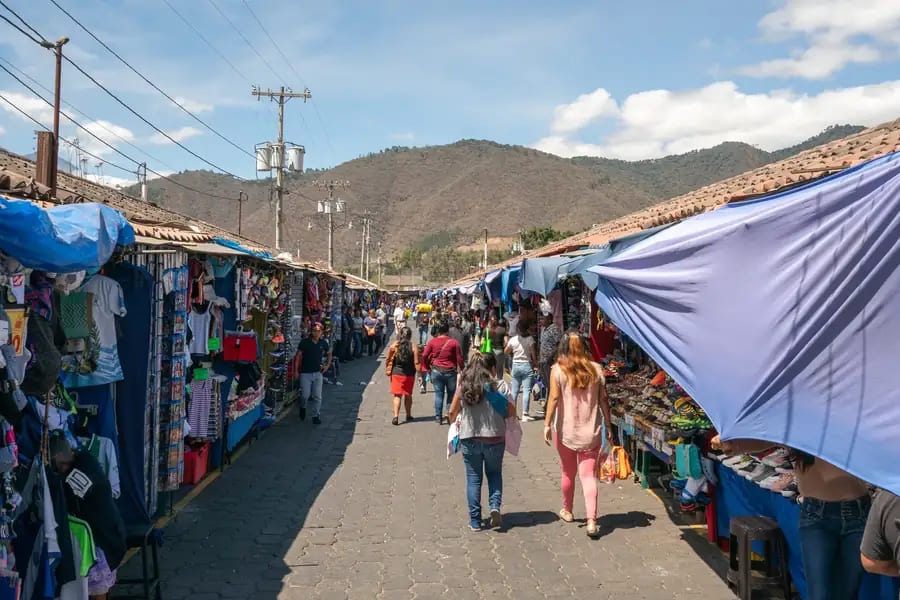
Antigua operates somewhere between a classic expat enclave and a genuinely integrated town. The truth depends on which street you are on and which time of year you visit. The Parque Central and the restaurants directly facing it serve a genuinely mixed clientele — you will sit next to Guatemalan families, Guatemalan professionals, and expats at adjacent tables. The Mercado Municipal (the main local market, not the tourist craft market) is almost entirely locals-first, and navigating it in Spanish is expected.
The parallel-community tension exists but is mild by regional standards. Long-term expats who learn Spanish and participate in local rhythms — attending church festivals, shopping at the mercado, knowing their immediate neighbors — report feeling very integrated within 6-12 months. Expats who stay within the gringo trail (La Sin Ventura, Café No Sé, the central restaurants with English menus) are comfortable but operating in a parallel track.
Antigüeños vs. Chapines from Guatemala City
Antigua has a distinct insider-outsider dynamic that predates the expat scene. Antigüeños — people born and raised in Antigua — have a quiet pride in their city’s history, architecture, and pace. Guatemala City residents (chapines) descend on Antigua every weekend, particularly on Fridays and Saturdays, and they bring a different energy: louder, faster-spending, and often surprised that the city closes early on weeknights.
The relationship is good-natured but real. Antigüeños will tell you that GC people think Antigua is calm (it is, compared to GC) and that GC people do not understand why the city shuts down at 9 PM on a Tuesday. Antigüeños, in turn, benefit economically from the weekend influx but cherish the Sunday-to-Thursday calm. For expats, this rhythm is useful information: plan your bureaucracy and errands for weekday mornings, enjoy the city’s quieter side midweek, and expect Parque Central to be significantly more crowded Friday night through Sunday afternoon.
What to Do Your First Month
The following approach consistently produces results for new arrivals. It is not complicated — it is just about creating repeated exposure in the same contexts.
Hit Brewfest your first Friday in the city. You do not need to know anyone. The format does the work. Sign up for a 1-week intensive Spanish course (even if your Spanish is already decent) — the immersive format puts you in close contact with other students who are all in the same transitional moment, which accelerates friendship formation in a way that solo exploration does not. Join the main Antigua Guatemala Facebook group before you arrive and spend a week reading it — you will arrive knowing what the current conversations are, what the live restaurant recommendations are, and what annoyances people are navigating. Eat at a local comedor at least once a week — not as a tourism experience, but as a habit that inserts you into a neighborhood rhythm.
By week three, you will have recurring faces. By week six, you will have standing plans.
Networking for Digital Nomads
Antigua’s nomad scene is smaller than San Cristóbal de las Casas or Medellín but more stable than most Central American cities. The community self-selects for people who want a quieter base with reliable fast internet, good weather, and low cost — not the party-first crowd. That means the nomad network skews toward people who are actually working.
Primary touchpoints: The Antigua Digital Nomads Facebook group for announcements and recommendations. Socialtel Antigua — the same 6a Avenida Norte hotel that operated as Selina before that chain wound down — for monthly meetups. Impact Hub Antigua (3a Calle Poniente 4) for structured coworking with a community angle. Weekly coffee in the central zone (announced via the group) for informal networking.
For coworking space reviews and day-pass options, see our full Antigua coworking guide. Neither venue publishes coworking rates on its own website, so treat any price you read online as a starting point and confirm directly.
Frequently Asked Questions
How do expats meet other expats in Antigua Guatemala?
Most connections happen through Facebook groups (join before arriving), the weekly Friday Brewfest at Antigua Brewing Company, and 1-week Spanish school intensive courses. The city is compact enough that showing up to the same 2-3 spots weekly produces repeated encounters — that is how most lasting connections form. Most newcomers find their social footing within 2-3 weeks if they are actively showing up.
What Facebook groups are most active for Antigua expats?
“Antigua Guatemala” (30,000+ members, very high activity) is the starting point. “Antigua Guatemala Living and Buying” covers real estate and practical relocation questions. “Antigua Digital Nomads” covers remote work and coworking. For specific needs: “Antigua Spanish Schools,” “Antigua Pet Owners,” and “Antigua Foodies.” Join before you arrive — a week of passive reading provides useful context.
Are there language exchanges in Antigua?
Yes, weekly Spanish-English language exchanges run at rotating cafés in the central zone. Most are free or require only a small café minimum. They attract a mix of expats, travelers, and Guatemalan professionals working on their English. Announcements are posted regularly in the main Facebook groups. Several Spanish schools also facilitate exchanges as part of their student programming.
Where do digital nomads gather in Antigua?
Socialtel Antigua (the hotel that traded as Selina until that chain wound down) and Impact Hub Antigua host monthly nomad meetups. Daily, nomads concentrate at WiFi-strong cafés on 5a Avenida Norte and around the Parque Central. The Antigua Digital Nomads Facebook group is the fastest way to find current meetup dates and coworking recommendations. See our Antigua coworking guide for venue-by-venue reviews.
Are there volunteer opportunities in Antigua Guatemala?
Several. Hermano Pedro Hospital is the most significant long-term program (2-month minimum, TB clearance required). Open Windows Foundation serves children’s literacy. Animal Welfare Antigua (AWA) runs rescue and foster placement. Maximo Nivel offers paid-placement structure for travelers. Bilingual schools welcome English-speaking classroom volunteers — contact them directly. Each organization has distinct requirements and availability, so verify directly before committing.
How welcoming is Antigua to newcomers and foreigners?
Very welcoming, with consistency being the key variable. Antigua’s expat community is genuinely friendly — Brewfest alone is reliably warm for first-timers. Locals in the service economy are accustomed to new arrivals. The nuance is that Antigua has turnover from travelers and language students, so deeper community ties form with the year-round crowd, not the week-to-week visitors. Showing up to the same weekly events and being present for 4-6 weeks is enough to shift from “visitor” to “regular.”